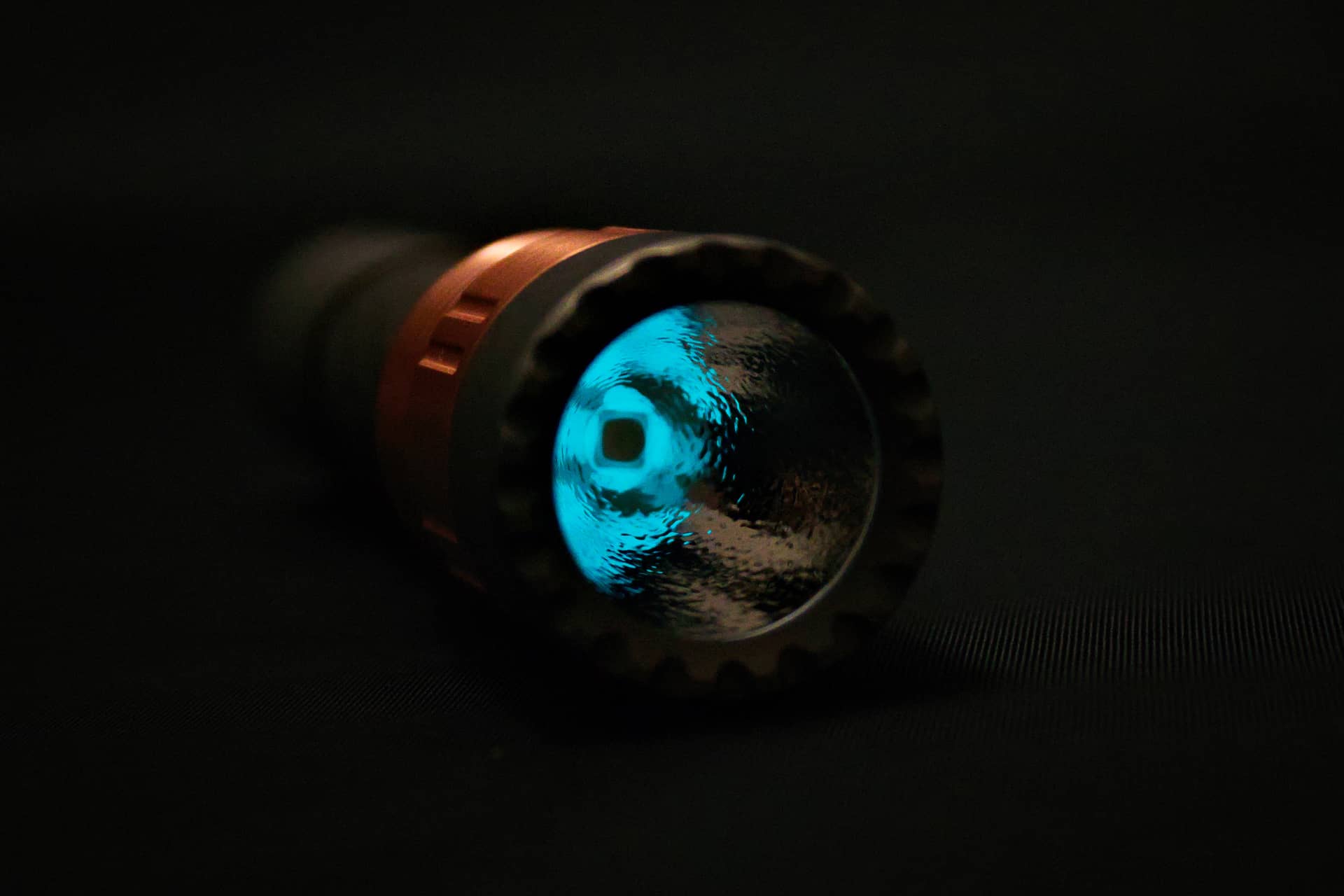
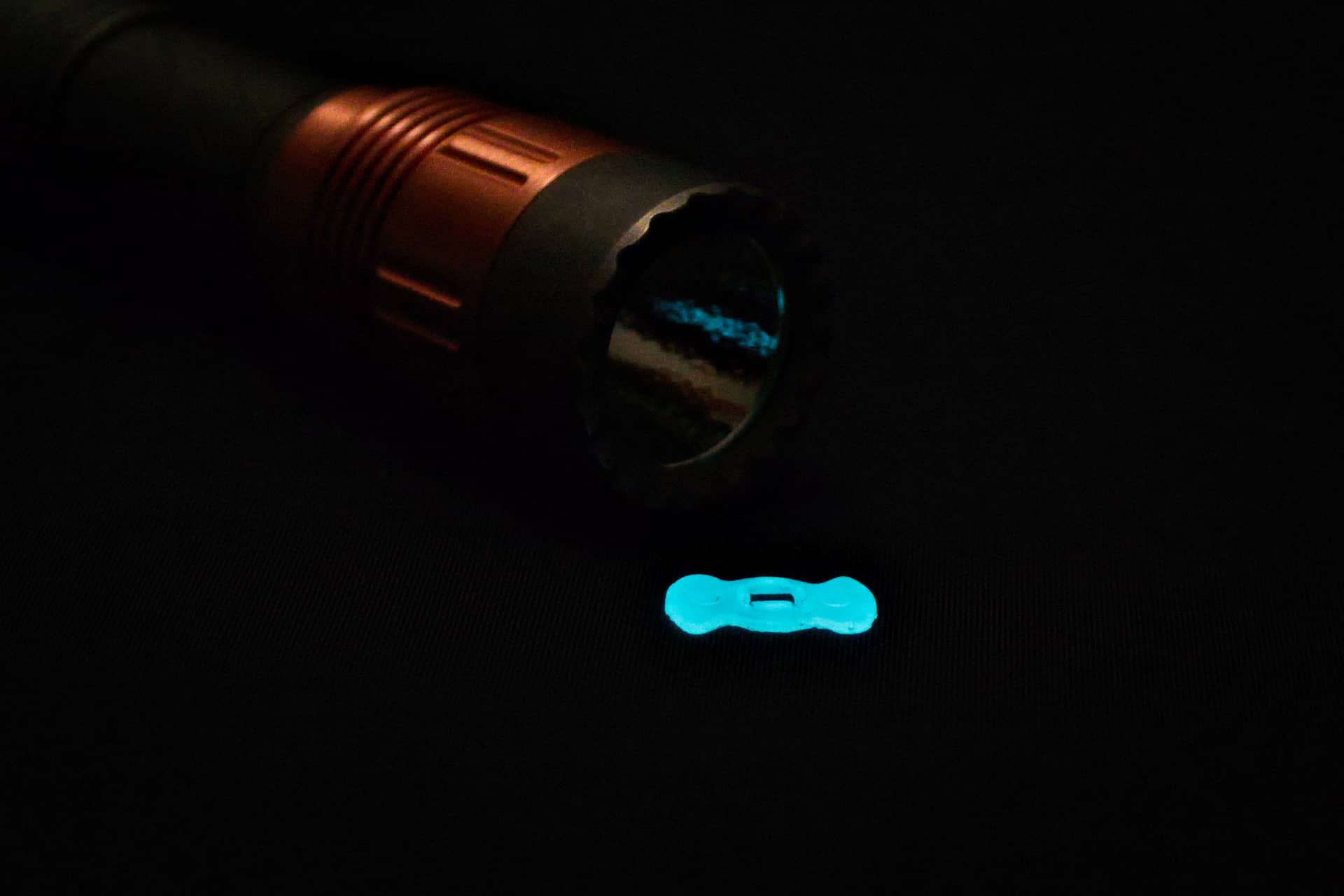
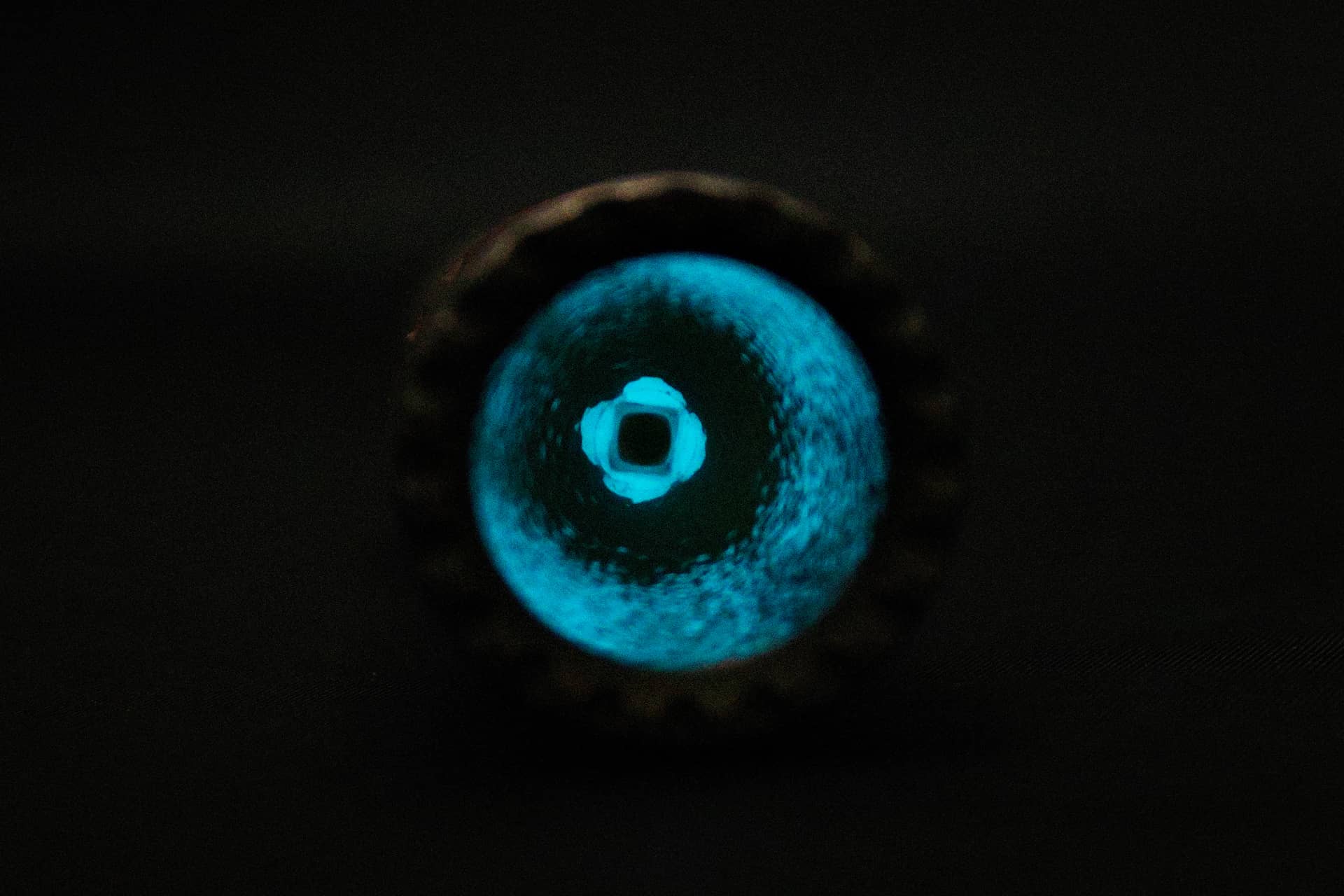
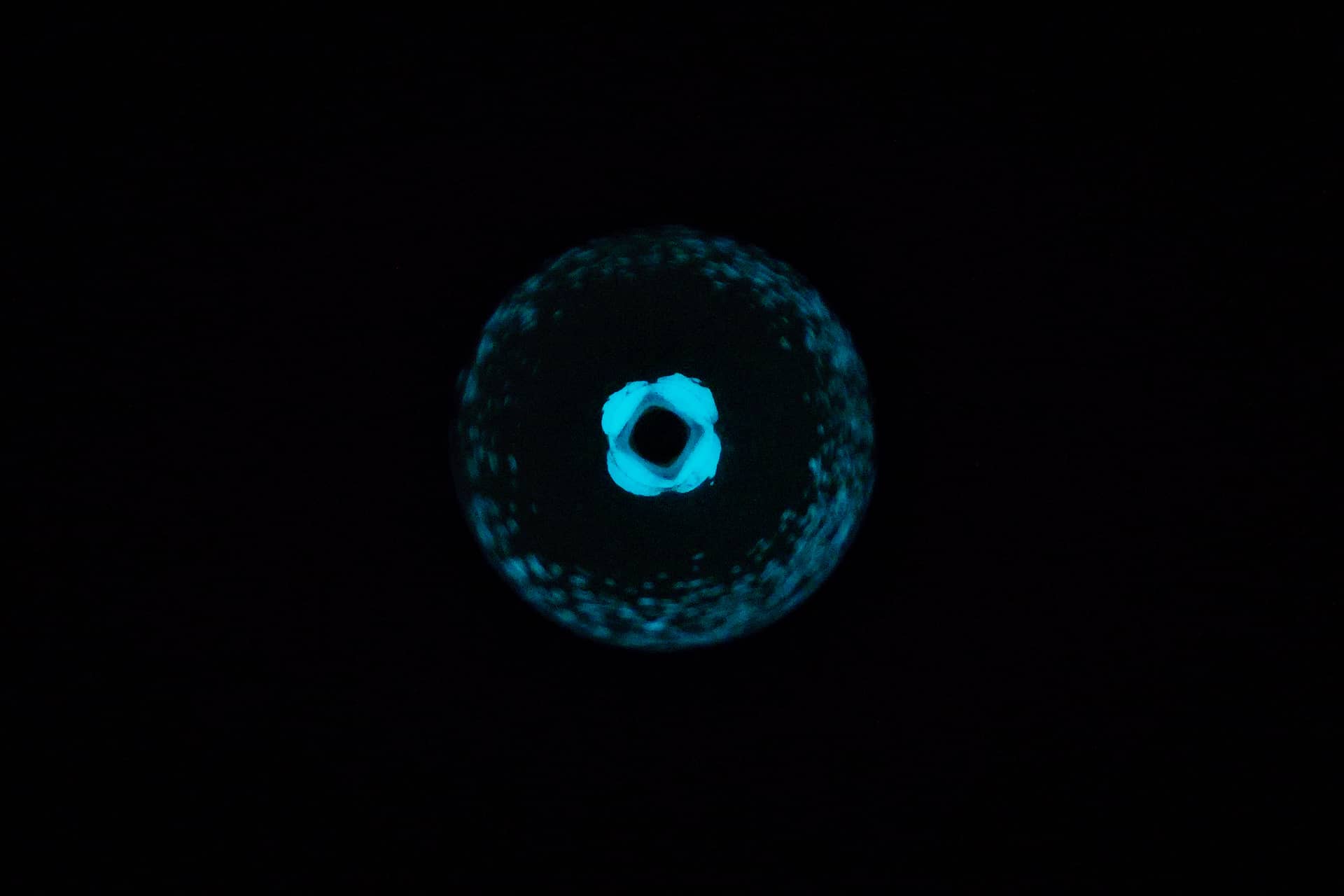
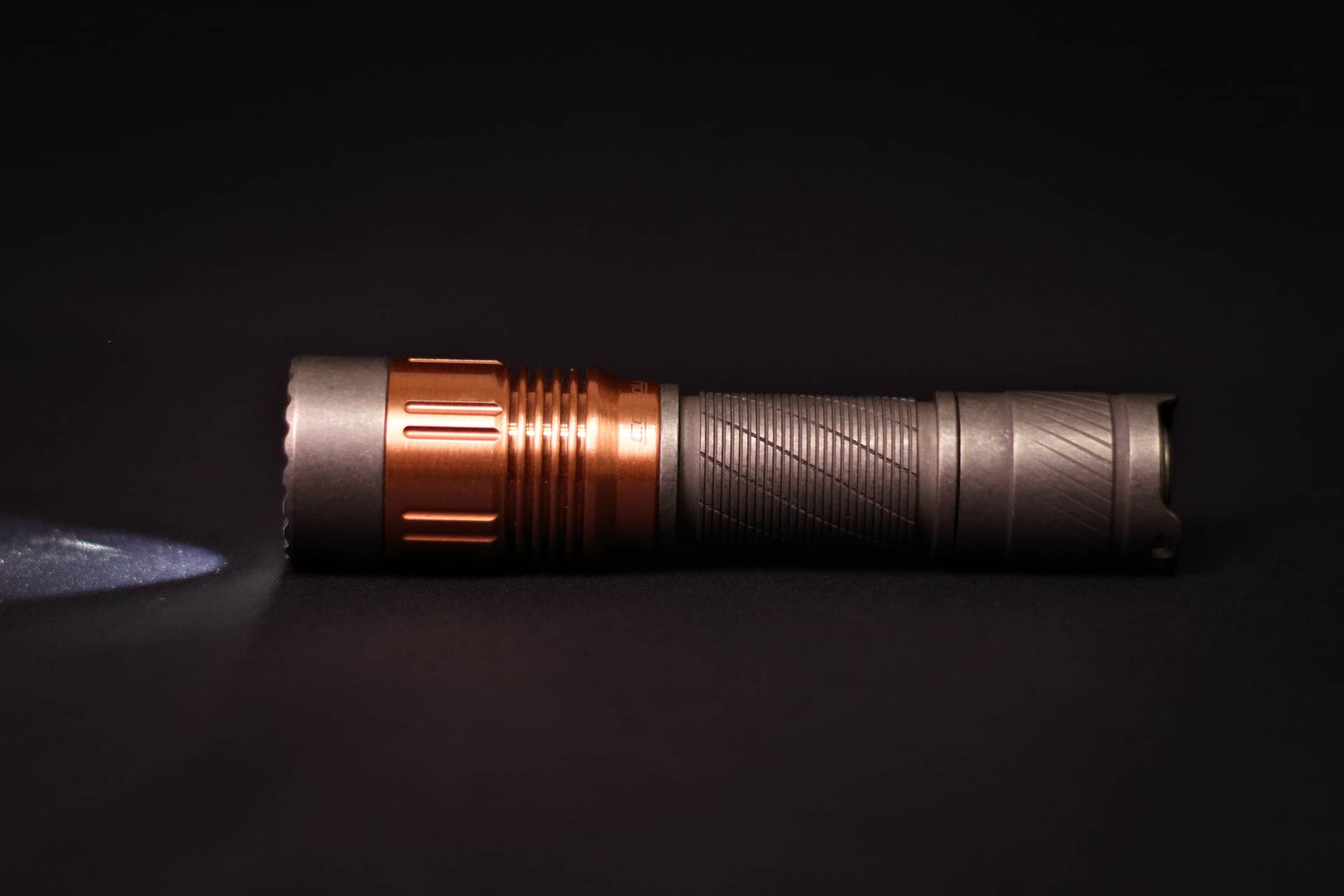
Made a GITD gasket for the Convoy T6, as I didn’t like to not have another way to find it in the dark other than the switch with LED, and I think it would be cool to post about it.
You can check the Reddit T6 TiCu Review on this link or the review on BLF here.
I made it using 2-part epoxy resin and Glow powder (Strontium Aluminate) by making a mold with the original 3535 LED butterfly gasket. It’s really strong, as I used a lot of powder to make it, almost as bright as the LED switch when the GITD is fully charged.
Ahh damnit I was going to try similar this week if I got time . I’m a big fan of GITD materials as markers due to their passive nature, ive got quote good night vision so don’t have any issues with not being able to see things I’ve marked.
What did you use for the mould? I’ve got 2 part “rubber” which I’ll try then some 2 part hard casting resin.
You beat me to it. What are those casting rubber/resins that you.mentioned. My naive idea was to use epoxy putty as a mold and maybe silicone spray the original gasket to make it easier to remove?
Then the epoxy for the new gasket - does it need to be transparent or can it be milky? Would UV (or 2 component) acrylic be a good idea?
Sure! First I made a mold of the original 3535 gasket using 2-part silicone rubber, using a small flat botton container I glued the original gasket with a temporary glue and I applied Vaseline on it, then I poured the silicone rubber. After the mold was ready, I mixed the 2-part epoxy resin with the Strontium Aluminate powder and poured it into the silicone mold (apply vaseline on the mold before the resin). After around 24h the GITD gasket was ready to be used.
I used soft 2-part silicone rubber to make the mold, it works really well to remove from mold. For this piece I added around 30% of the resin weight of the GITD pigment, if much is added the part can become brittle
Do you recommend a certain brand of 2-part molding compound? I’ve tried an Aliexpress generic, but the cured surface of the silicone is matte and paper-like rather than mirror-smooth, which really cuts down on the brightness of glow objects cast from this mold.
I used a local brand from my country, I think the brand name is “Redelease”. It has a very shinny surfaces if it’s poured on a smooth surface like glass.
I’ve got generic 2 part (white and blue) rubber from AliExpress for this purpose, I’ve not yet tried it though.
My logic with the binder/resin is that the UV cure types must be at least partially transparent to UV else the deeper resin wouldn’t set; from my understanding, blue to UV wavelengths “charge” the phosphorescence.
I’ve also had good results from the 2 part casting resin, so I suspect either would work well.
Taking a cast of an existing gasket will preserve the surface texture, something to perhaps consider. Anecdotally, I believe a rough glow surface to be brighter than smooth, due to increased surface area.
It probably varies between formulations, but my experience has been that the resin only cures to a depth of 2-3mm–the resin is too opaque to UV to let the light beyond this point. Additionally, GITD pigments absorb UV too and thus reduce the curing depth.
I do wonder if longer-wave UV or near-UV might cure deeper than the 365nm I’ve been using. Even 450nm blue light causes UV resin to gelatinize, though nowhere close to a full cure.
My experience has been the opposite. I think there are 2 phenomena at play:
(1) For a material with uniform luminance, the candela in any direction depends on the projected area in that direction, not the true surface area. This is for a similar reason to why we calculate the frontal area in reflector throwers (treating the reflector as a circle), rather than the true area of the paraboloid (which is a much more tedious calculation).
(2) If increased surface area makes the material brighter, then one would predict that smaller glow particles glow more intensely than larger particles given the same total mass, and perhaps that bare powder glows brighter than powder cast in resin. It turns out neither happens.
I’m not sure about why larger particles glow brighter/longer than small particles of equivalent mass, but I think the observation that powder glows brighter in resin can be explained by improved extraction efficiency. The resin is essentially acting like the dome on an LED, bridging the gap in refractive index between the powder and air.
 . I’m a big fan of GITD materials as markers due to their passive nature, ive got quote good night vision so don’t have any issues with not being able to see things I’ve marked.