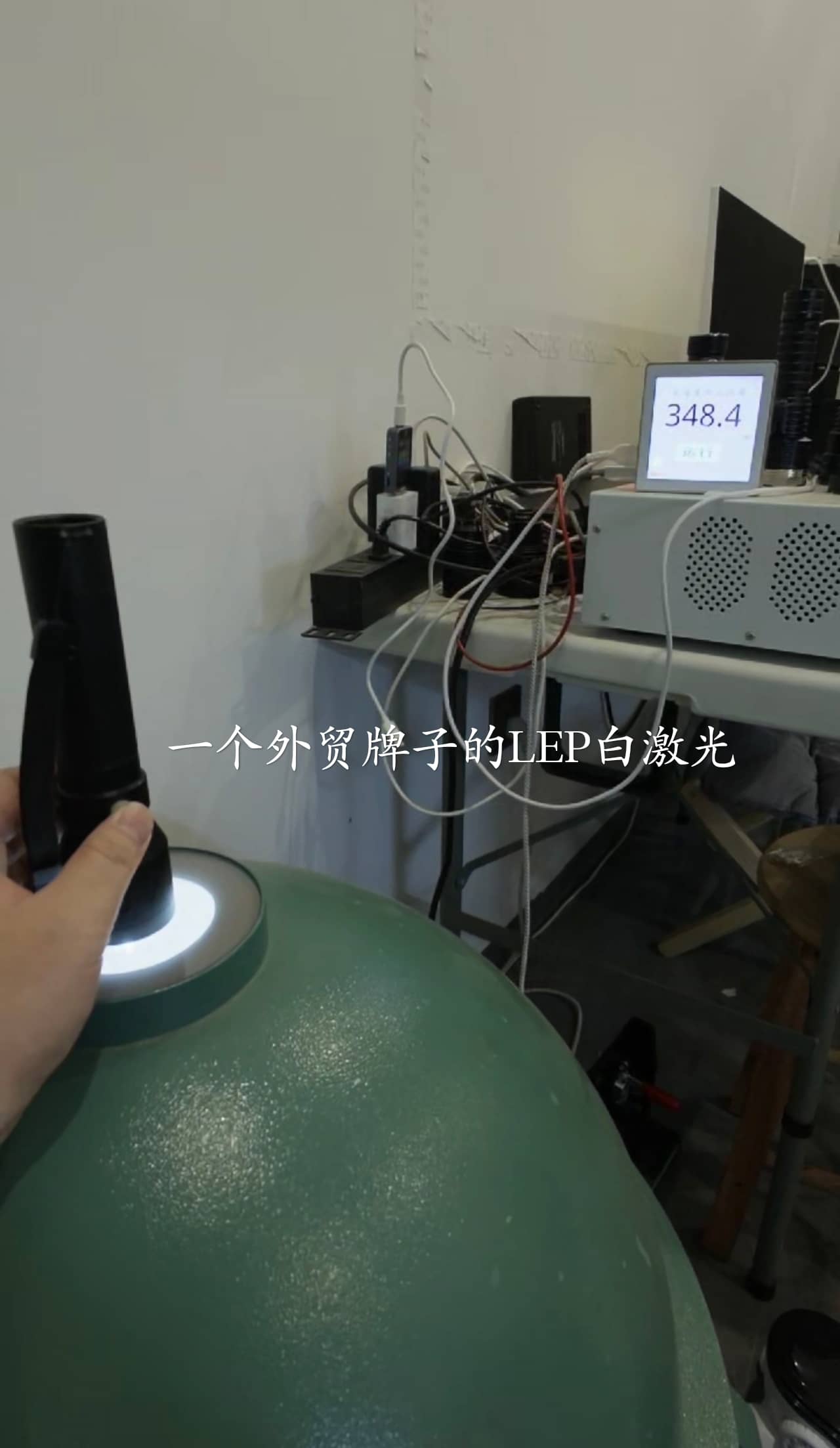
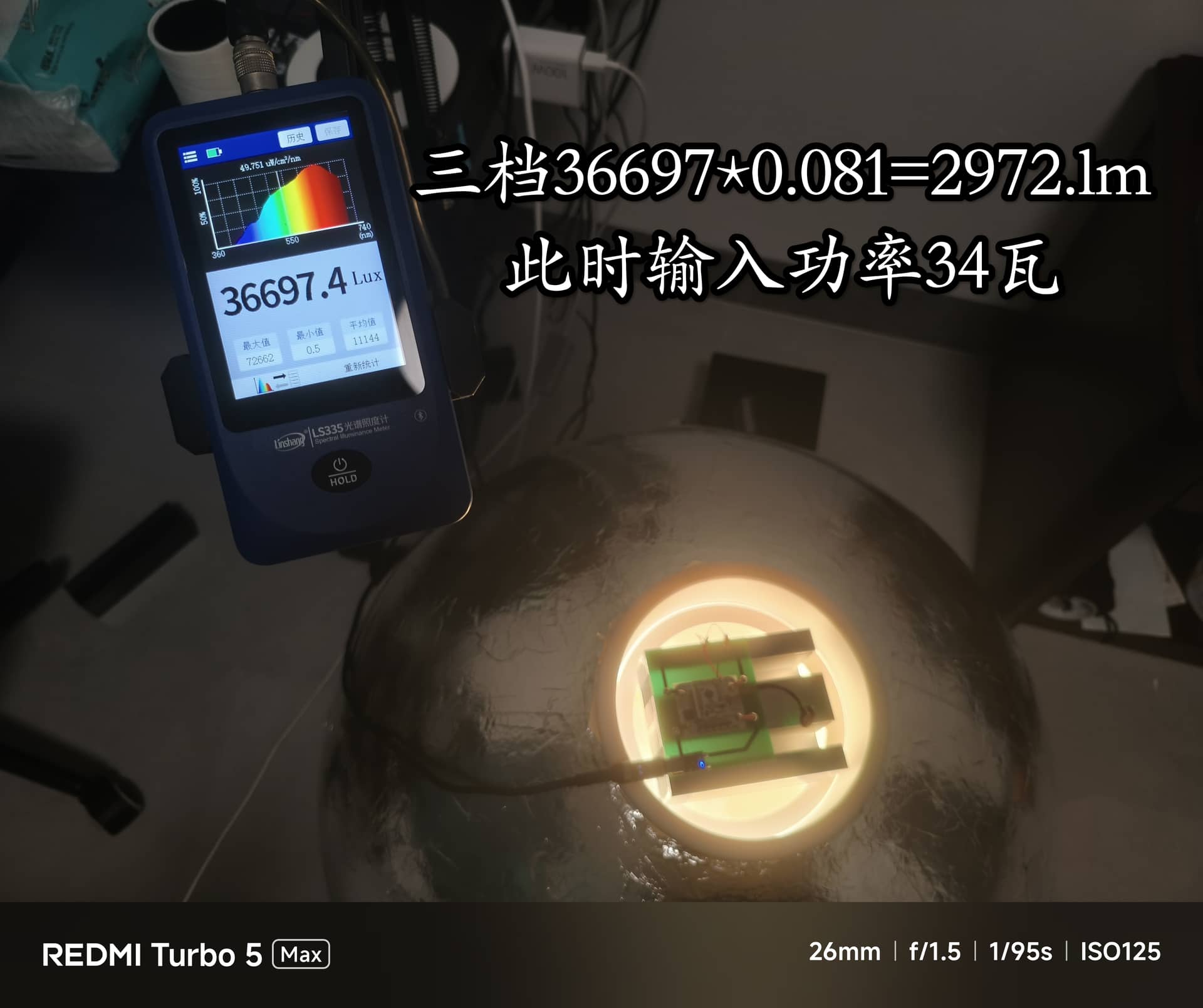
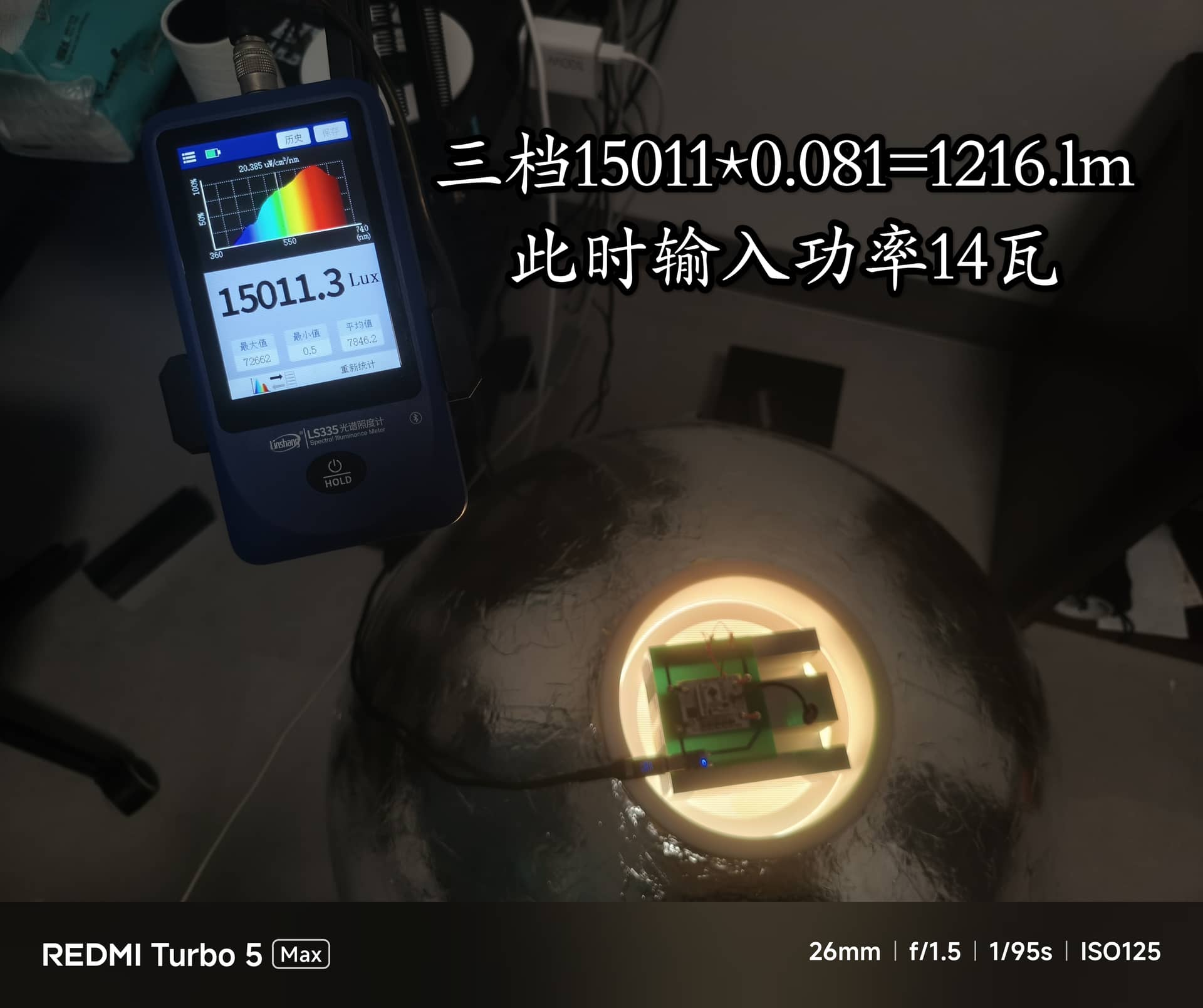
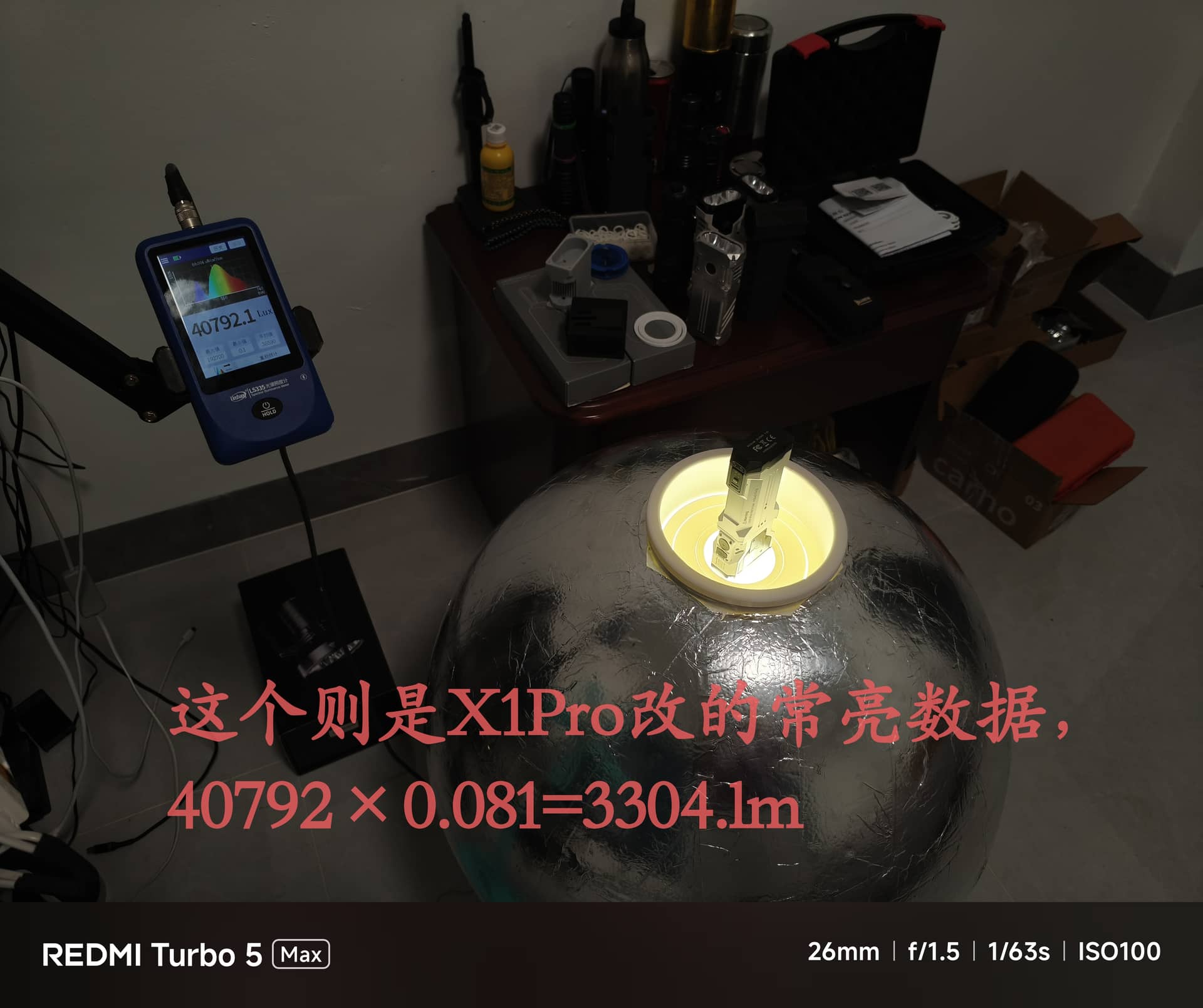
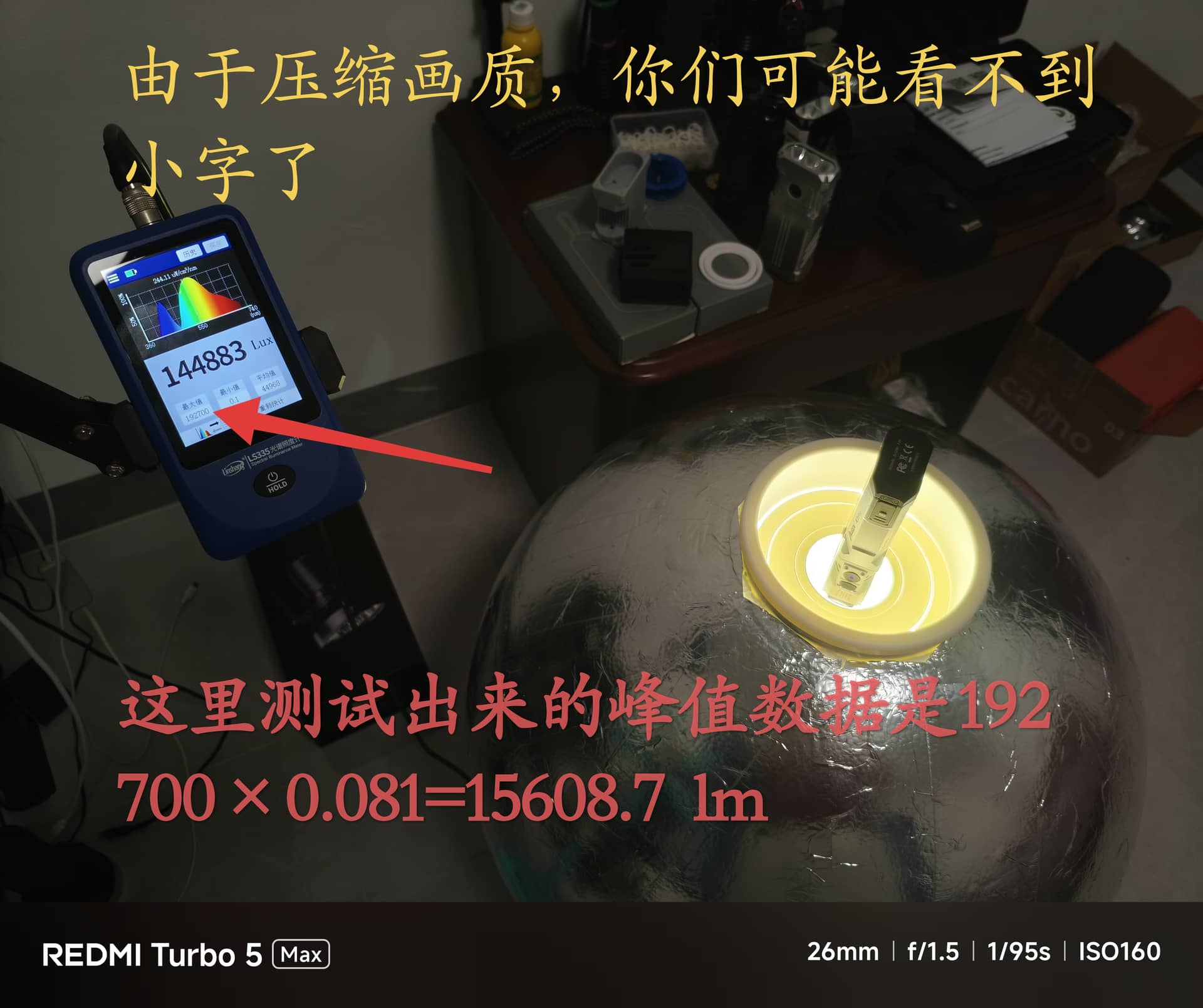
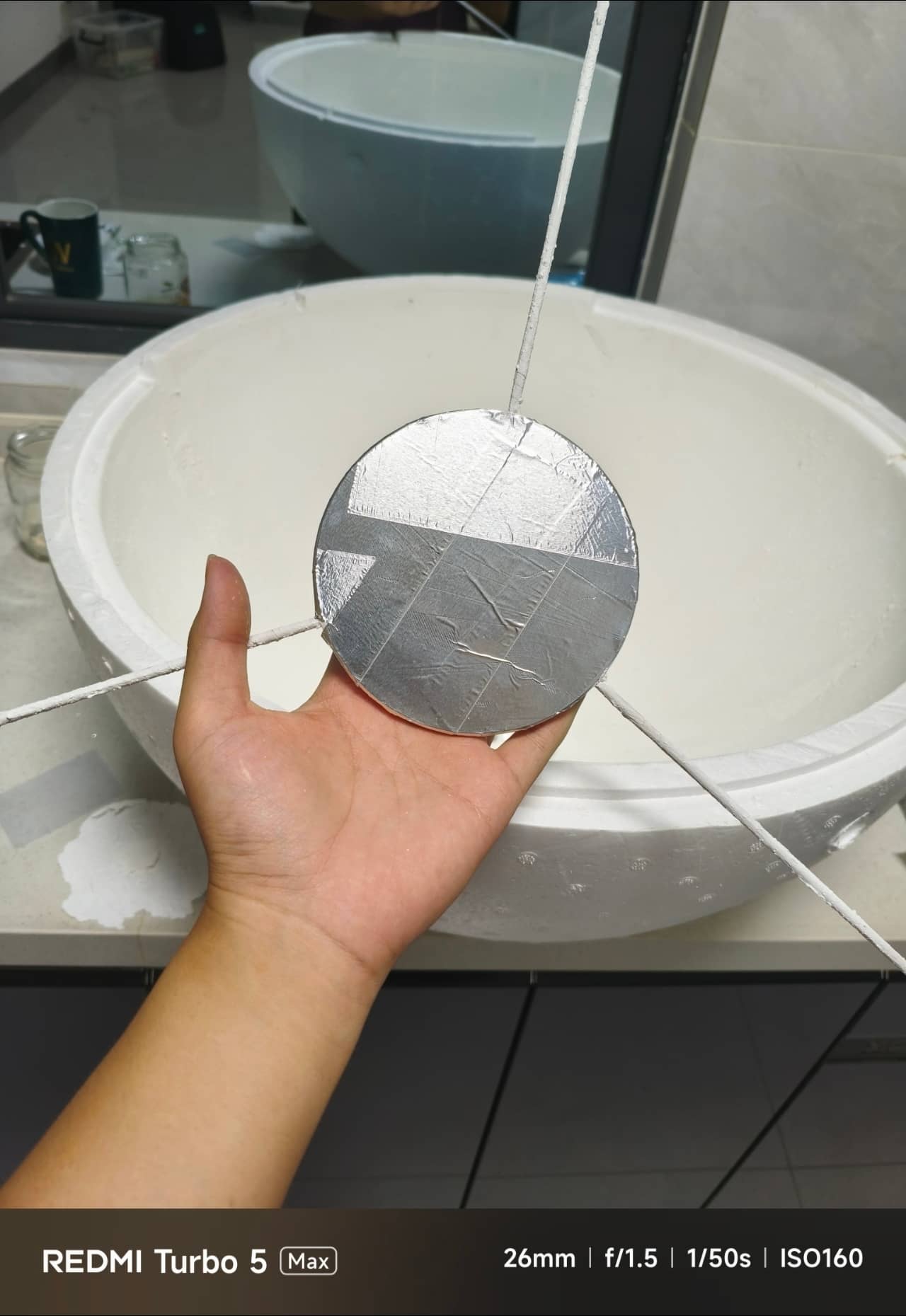
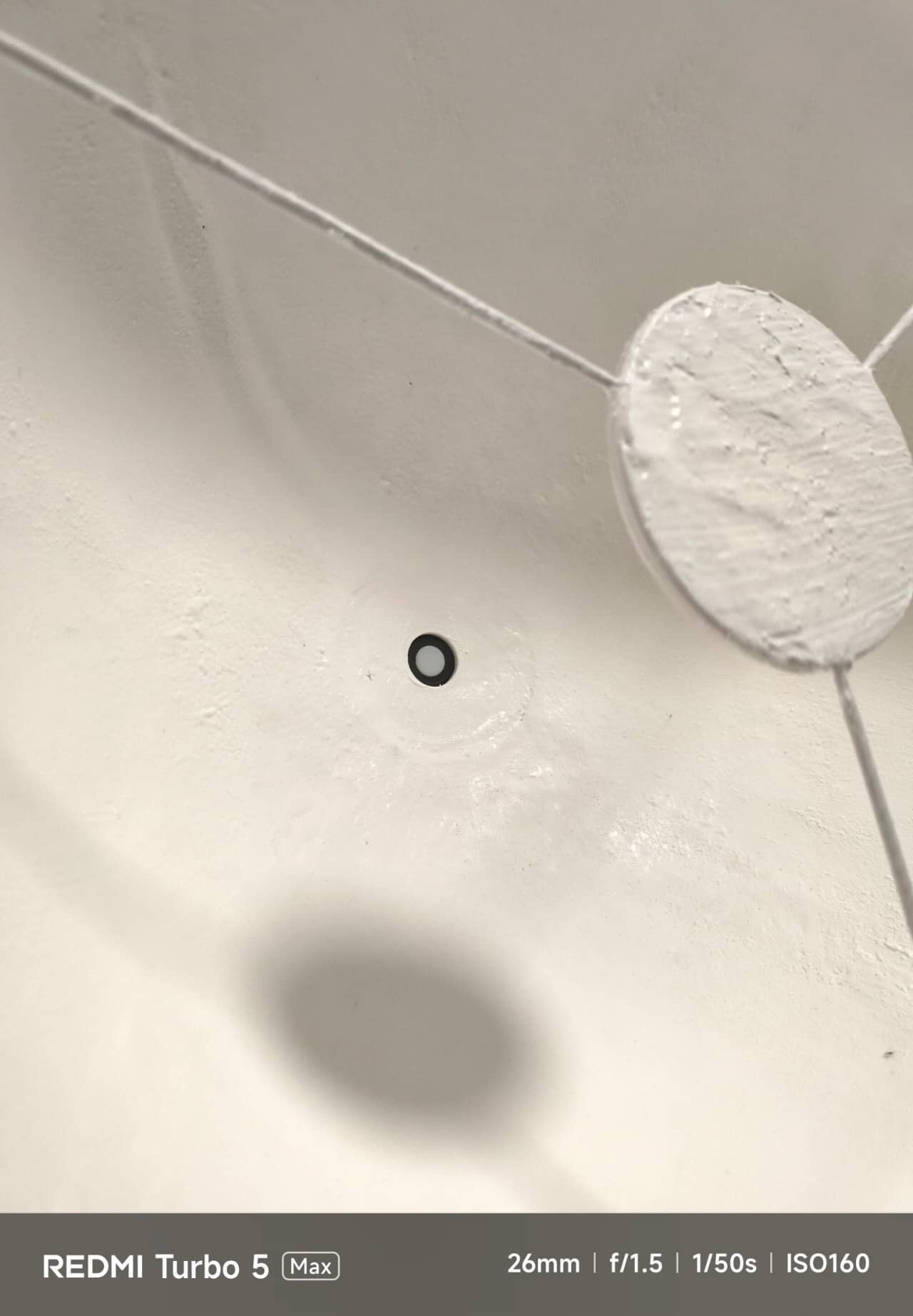
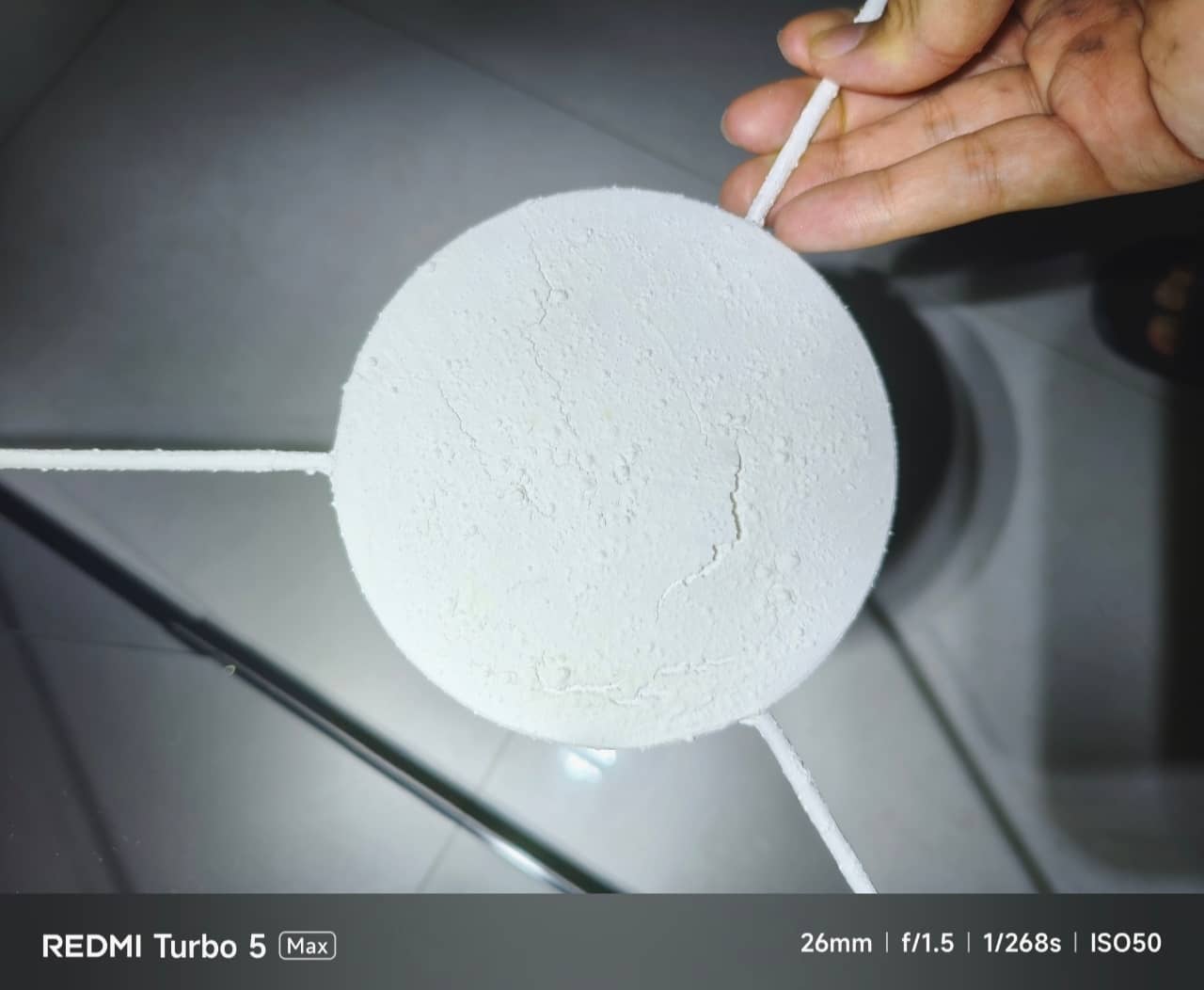
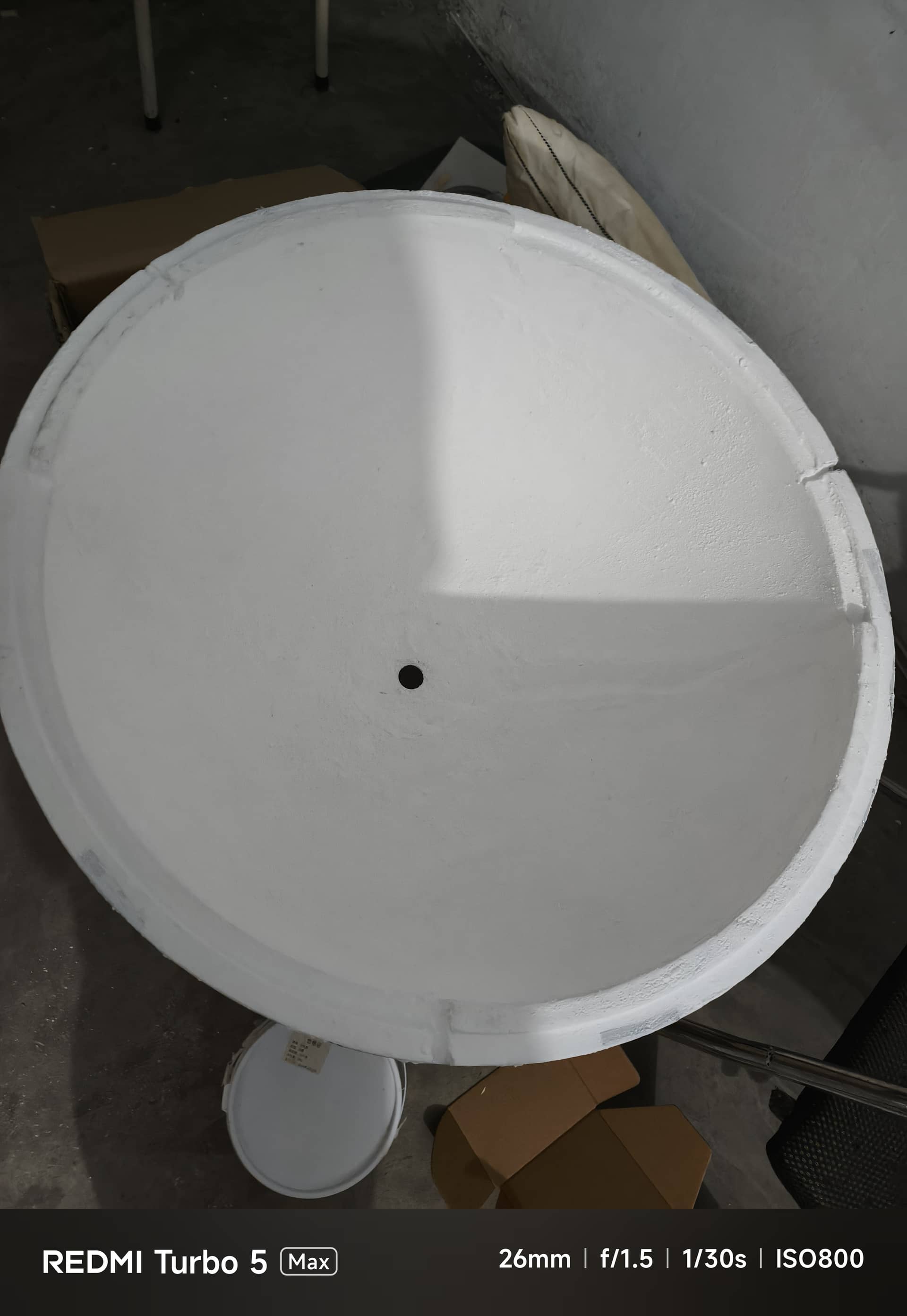
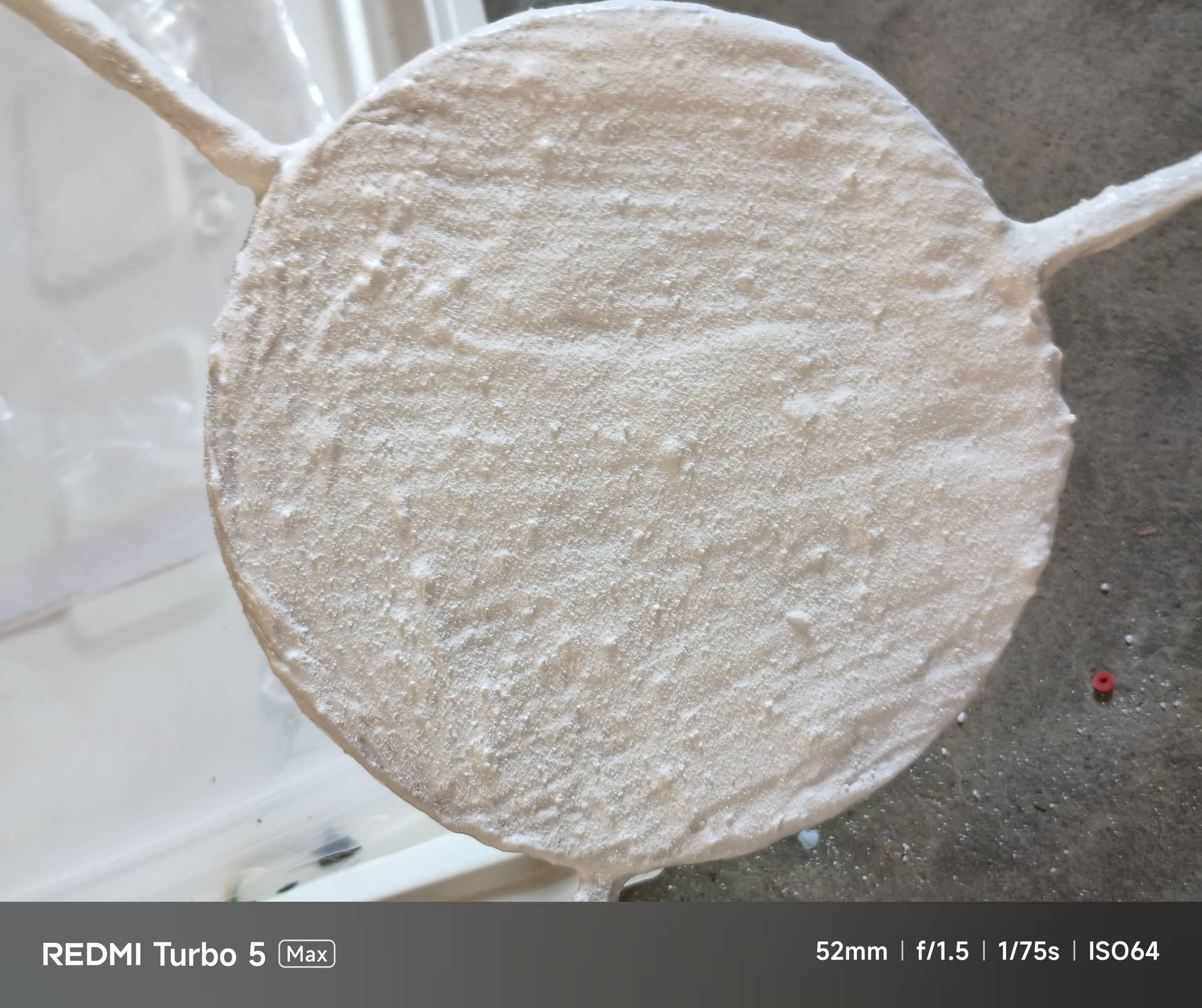
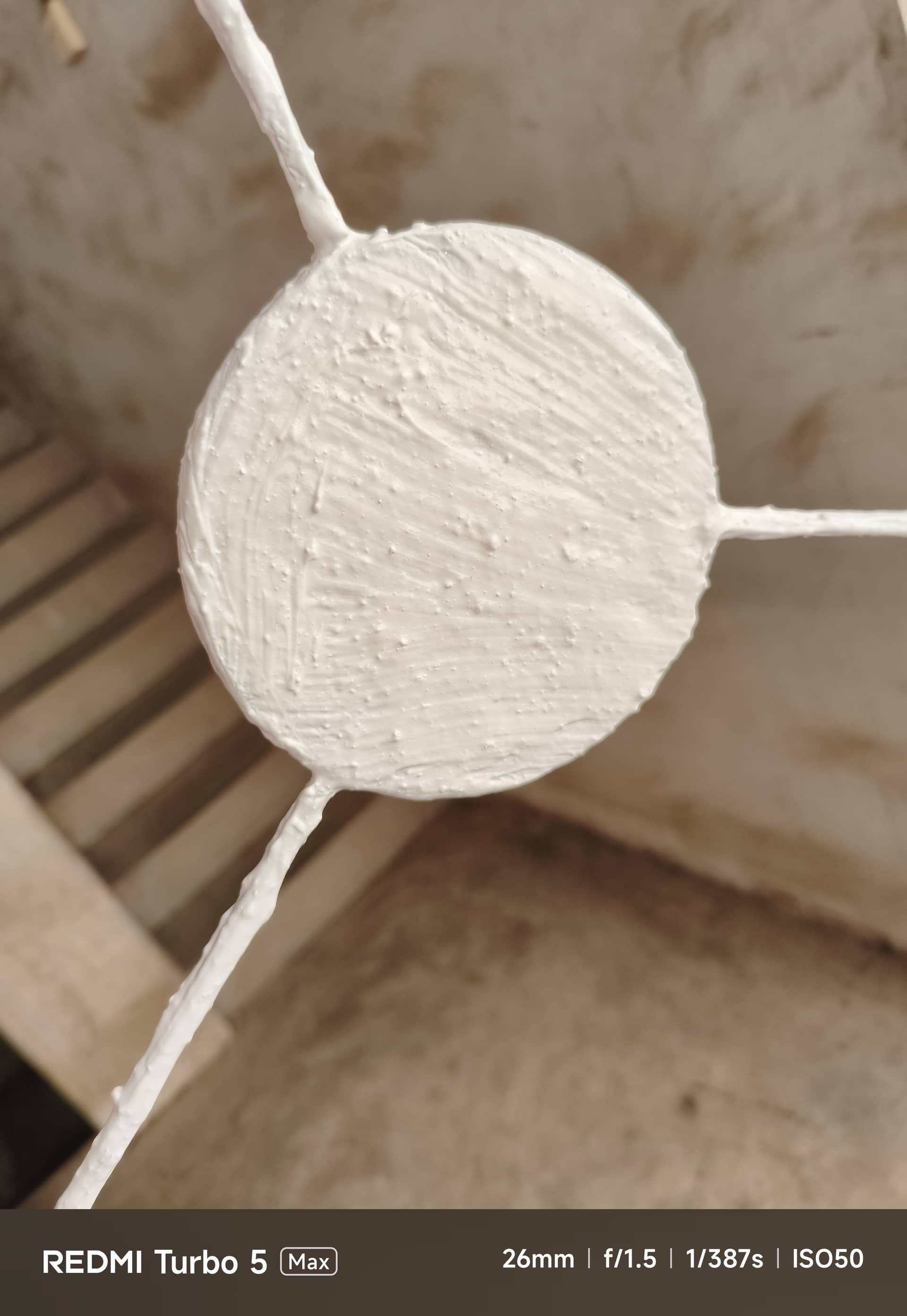
This is an integrating sphere I built myself. It is now fully sealed. Below are the issues uncovered during testing and construction. Lessons learned from this build will be implemented in the next revision. The second‑generation sphere is expected to be released before the Lunar New Year. A probe built around a Hamamatsu silicon photodiode is also in the planning stage. This current unit will be lent out to friends for now. To be continued.
- First note: When using white latex as the binder mixed with barium sulfate, air‑drying and multiple thin coats are mandatory. Thick coats with fast drying will crack due to coating shrinkage.
- Second note: PETG has very poor adhesion to white latex. It is recommended to wrap the surface with aluminum foil before applying the coating. By contrast, adhesion to polystyrene is decent.
- Third note: If 3D‑printed material is used for the central baffle, an aluminum foil layer is required. The white 3D‑print material is light‑transmissive. I omitted this layer in the early prototype, resulting in around 10 % measurement deviation when comparing throw‑type and flood‑type emitters of equal lumen output; throw readings were 10‑15 % higher than actual values. This error disappeared after adding aluminum foil as a light‑blocking layer prior to coating.
- Fourth note: If carbon‑fiber rod is used for the central support strut inside the sphere, proper end‑face protection is necessary. Carbon fiber is sharp and can cause skin pricks. Wear a respirator and work in well‑ventilated space while sanding carbon fiber; inhaled carbon‑fiber dust causes permanent lung damage. Likewise, wear a mask and work in an open area when mixing barium‑sulfate coating, as fine powder drifts easily in air.
- Fifth note: Use 10 000‑mesh analytical‑grade barium sulfate. Lower‑mesh grades lack sufficient whiteness and will appear grayish in practice.
Available binders for home‑brew mixing include white latex, EVA emulsion, and water‑based aliphatic polyurethane resin emulsion. These are accessible for hobby‑level builds. PTFE delivers superior reflectivity and durability as a coating material, yet it comes with high cost, requires high‑temperature curing, and releases toxic fumes during curing. It is only adopted in very high‑end small integrating spheres and is not practical for DIY builds.
Common reflective fillers are titanium dioxide and barium sulfate. Most commercial integrating spheres use barium sulfate; I am unsure whether titanium‑dioxide blends are employed.