What does an ordinary person do when wants to buy a flashlight? Goes to aliexpress, types in “powerful bright flashlight” and gets in the search results just such a coprophilic selection.
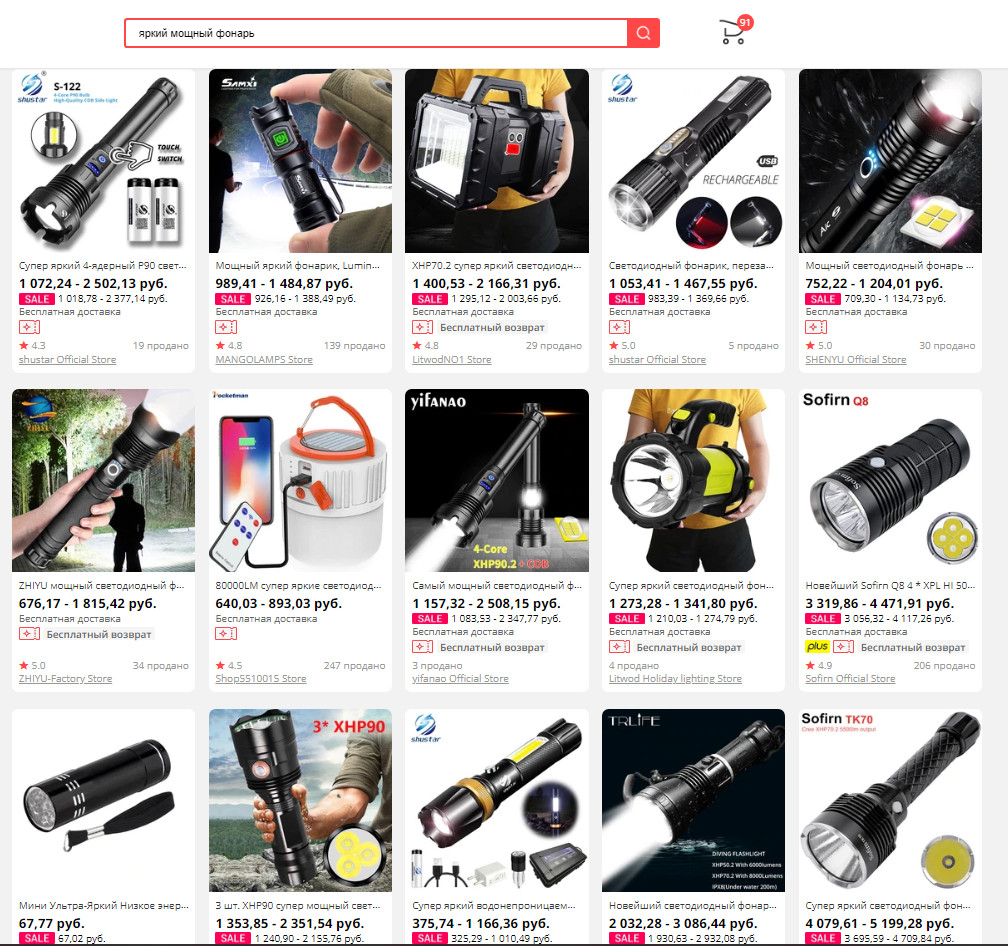
See how many zoomie flashlights are there. And specs promise crazy brightness and battery capacity. So, soon time affter, buyer unpacks parcel and thinks “I took 20,000 lumens for 10 bucks! i am damn smart!not like all sorts of fools who pay as much as $ 30 for Sofirn \ Convoy ”(not to mention more famous brands). What I mean. Structurally and in terms of light, almost everything (there are a couple of rare exceptions such as Gryphon G20 or Fenix FD), all lense flashlights are outright rubbish, the purchase of which can be justified only by a penny price and once in month sort of use.
I told and showed in detail about what accompanies flashlights with a lens in my guide for choosing flashlights. I will not dwell on the details chewed up there, I will just say that the zoom devices only deceptively promise the universality of light for a penny price. In reality they lose to ordinary pocket flashlights both in close and far range.
Unexpectedly, Convoy has expanded its assortment with such a flashlight. A sort of pull-up - a head with a zoom pulls it into the primitive swamp of the times of 2200mah 18650, and quite a fresh and vigorous bundle of SST40 LEDs and 21700 power supplies inspires cautious optimism to a potential buyer as well. What will win in the end? Blind Cyclopian eye lenses or trendy giblets? And if it doesn’t win, then what is better to buy?
LED: 1 * luminus SST40 (6500 \ 5000K)
FLUX: max 2000lm
Mode: 4 modes 0.1% –3% –30% –100% / 12groups
Mode memory: yes
Battery: 1 * 21700/18650 (not included)
Material: aluminum alloy
Color: Black
Switch type: reverse
Lens: Convex lens (high borosilicate glass)
Diameter: head 52mm / tail 28.2mm
Length: 135.8mm (zoom in) /149.5mm (zoom out)
Package and appearance
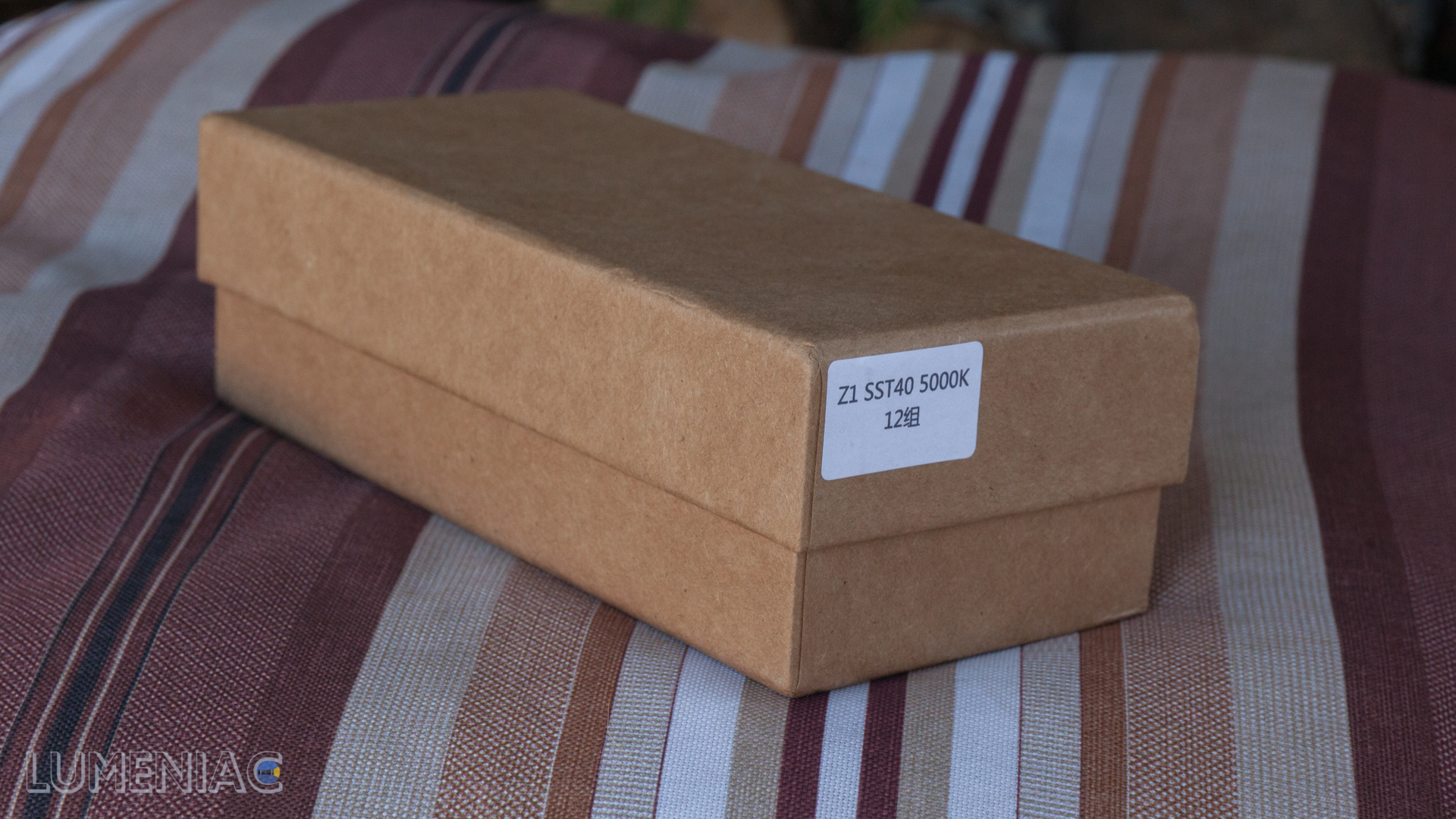
By the standards of Convoy, the packaging is the top-end. Namely, the well-known thick-walled beige cardboard with a sticker indicating the model name and color temperature.
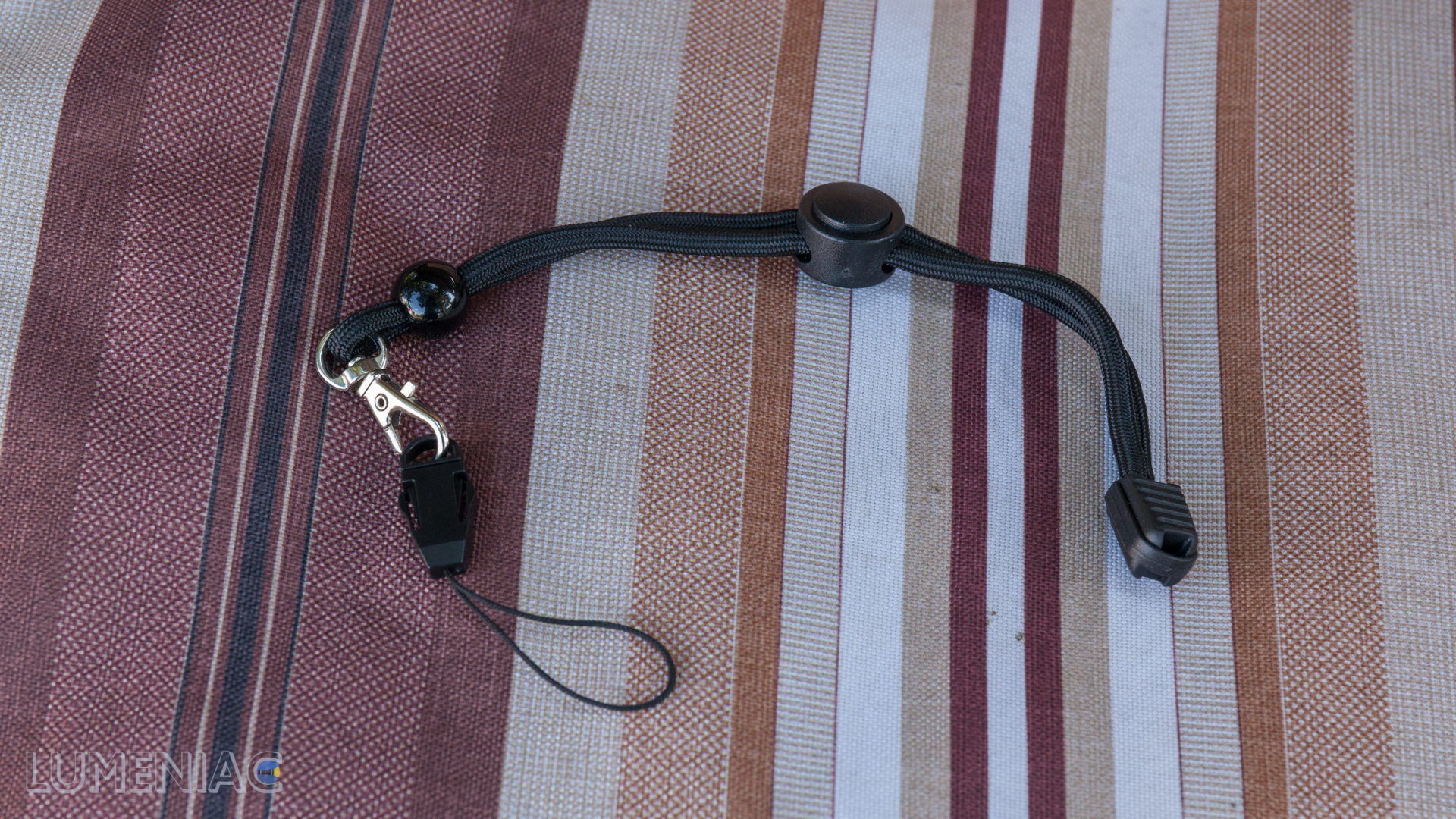
There is a generous set inside: Z1 itself and a lanyard.
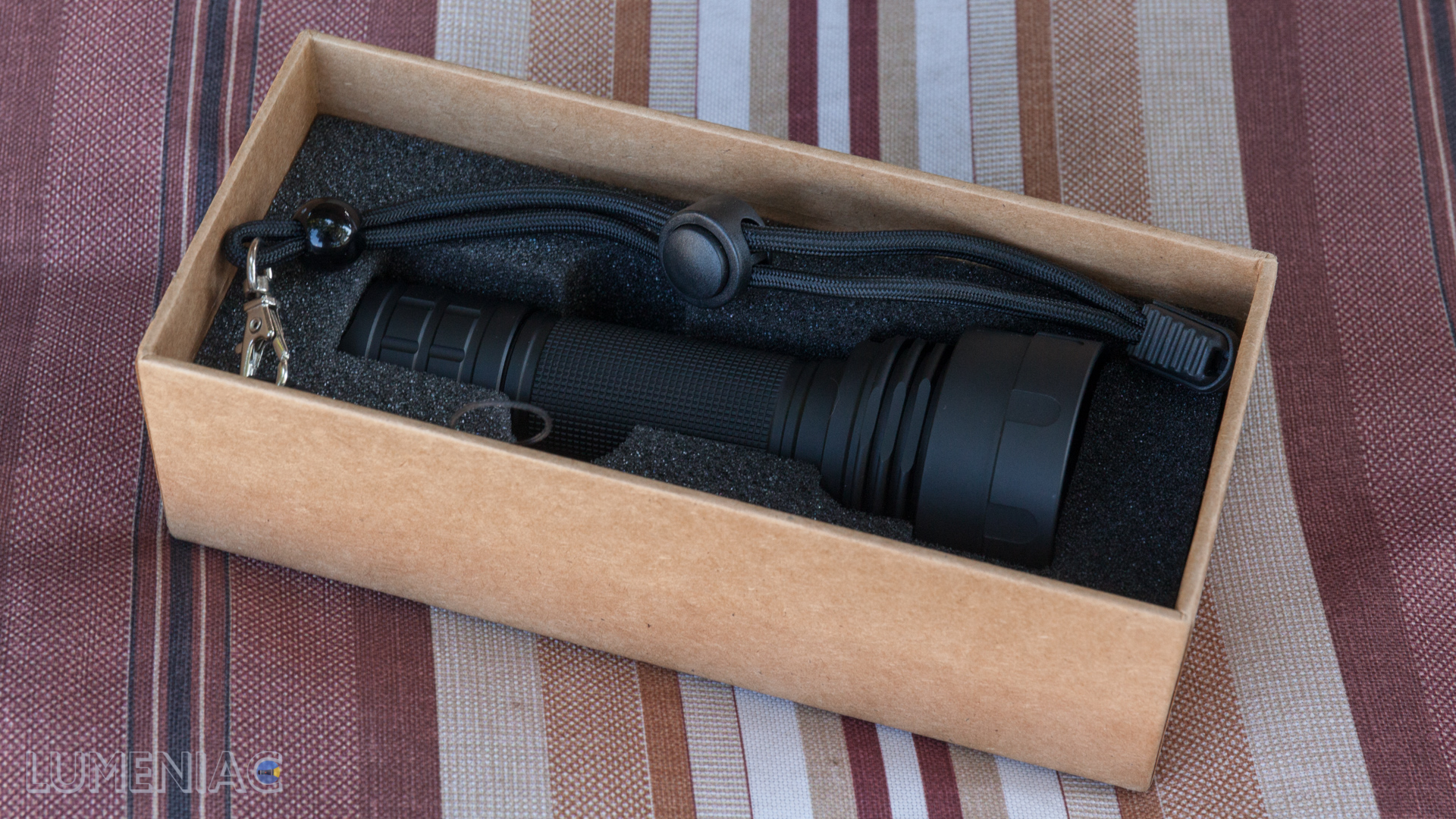
The lanyard, although cheap, is not bad.
Convoy Z1 itself looks pretty good though. I especially liked the matte anodizing. The design is really simple, here Convoy does not change itself, but this is a pleasant simplicity.
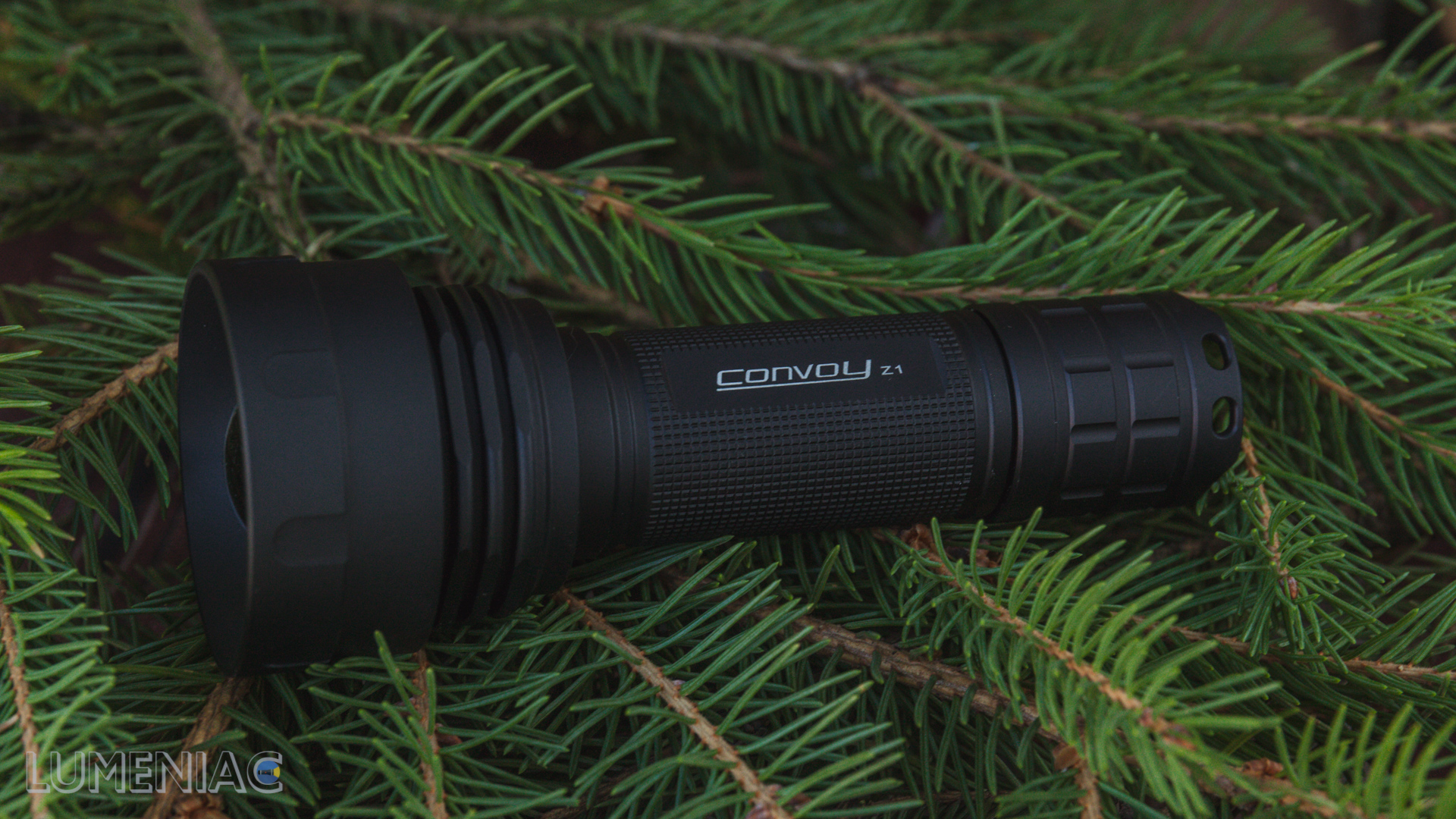
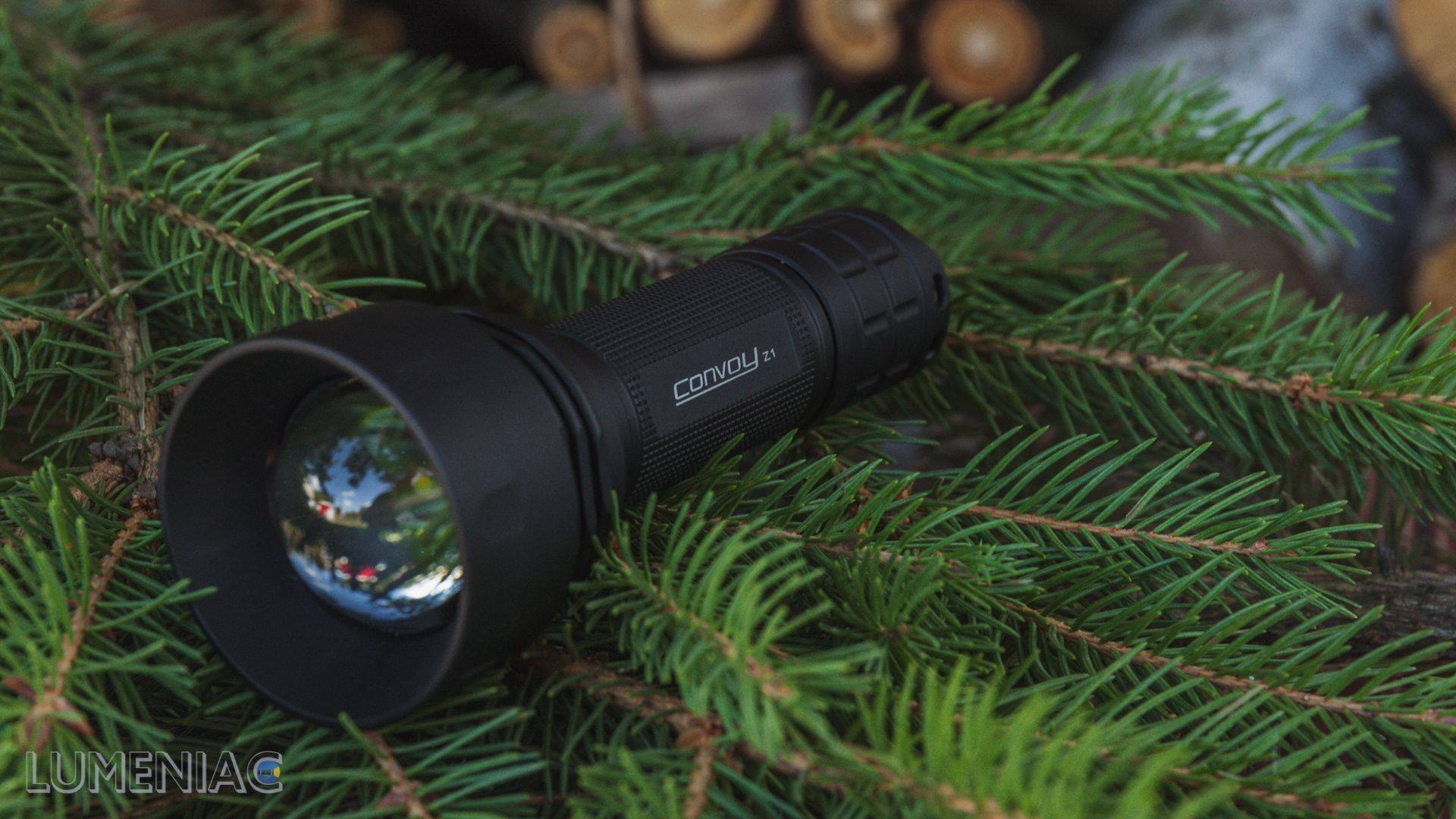
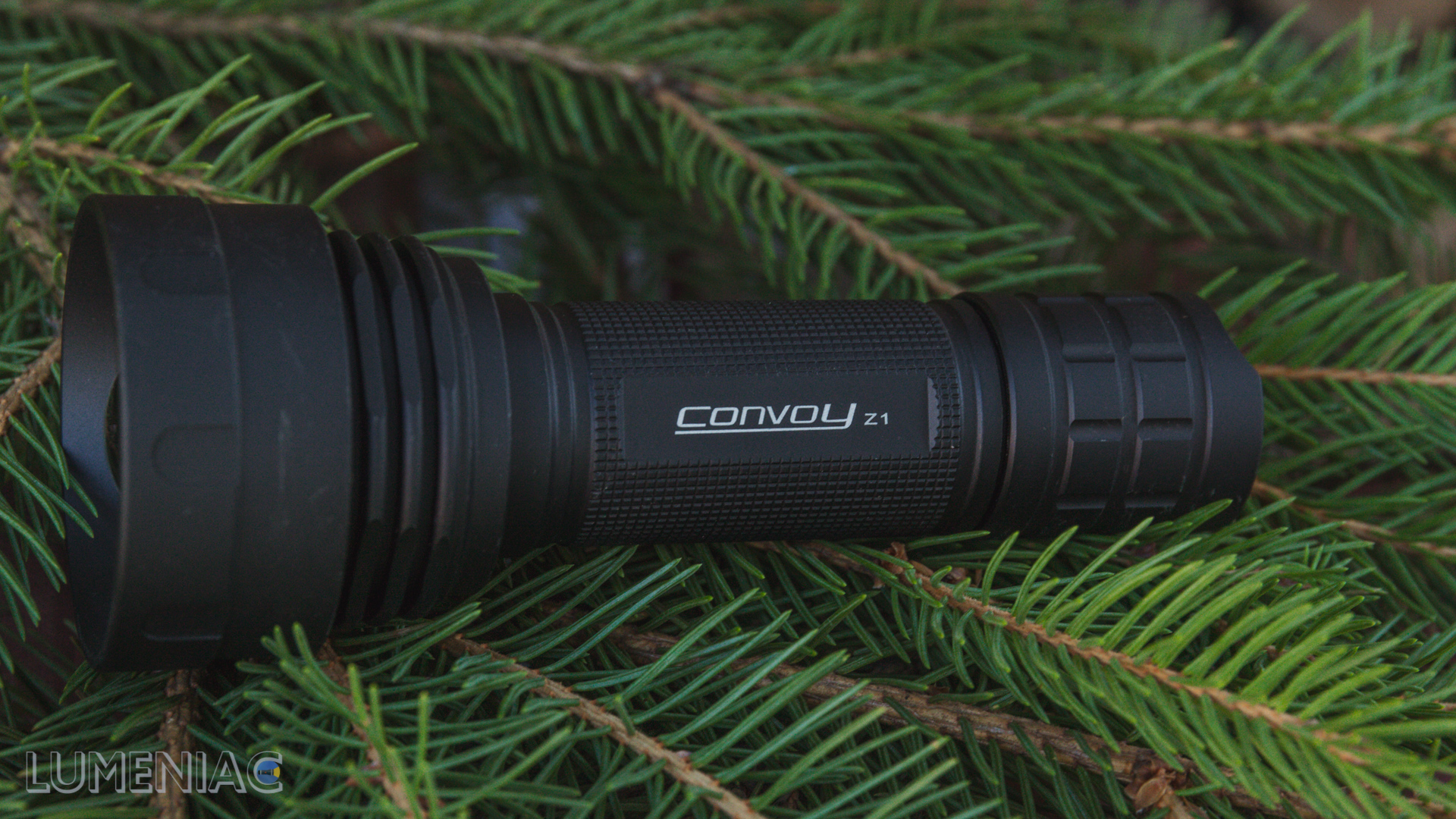
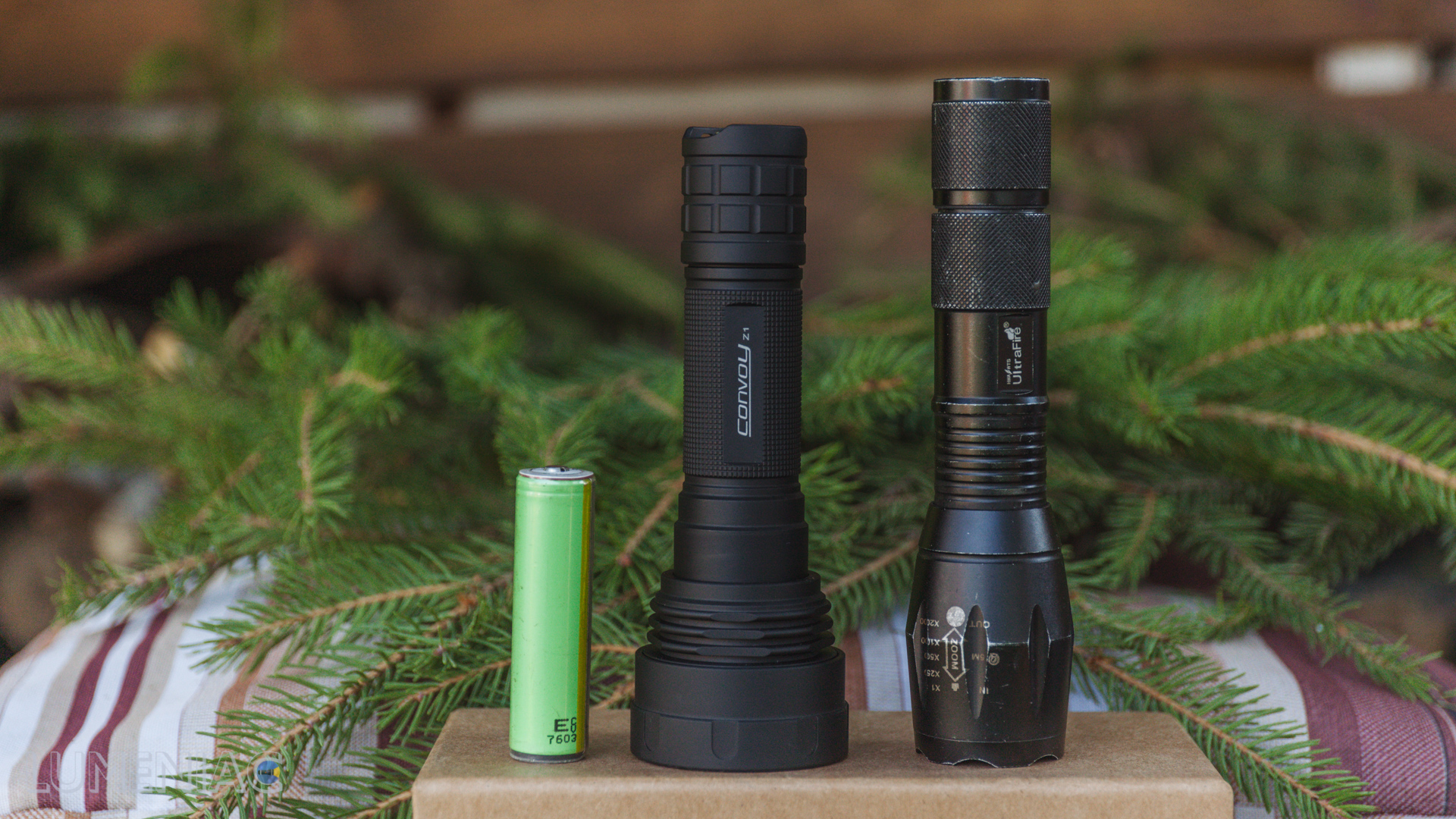
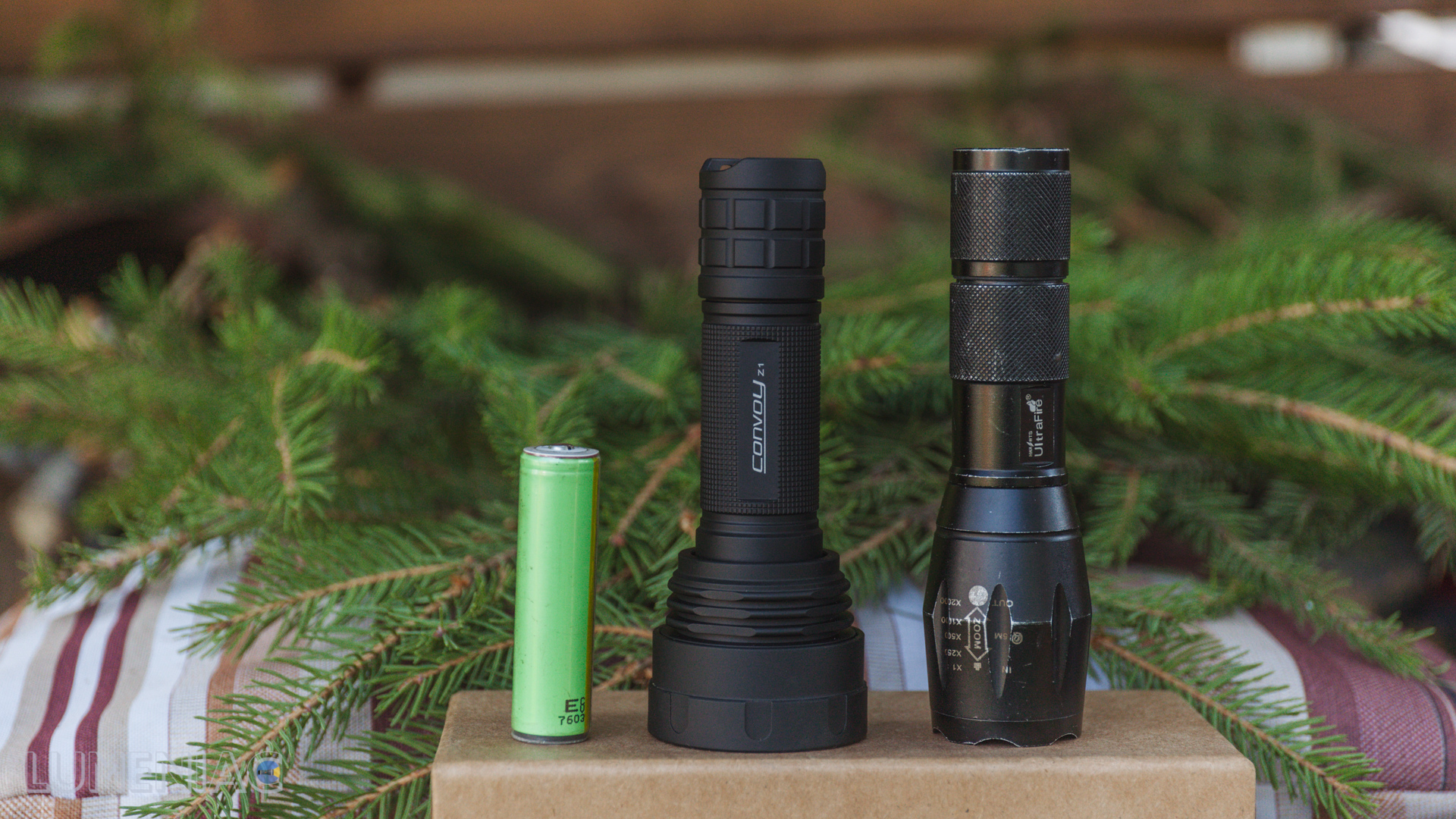
And even such a simple design looks like a baroque Versailles luxury against the background of a mongrel freak, the most popular sub-flashlight - crappy Ultrafire LED T6 Zoom. Here, by the way, you can evaluate the dimensions of Z1 in both focal lengths, where the length of the Convoy Z1 varies from 135 to 150mm.
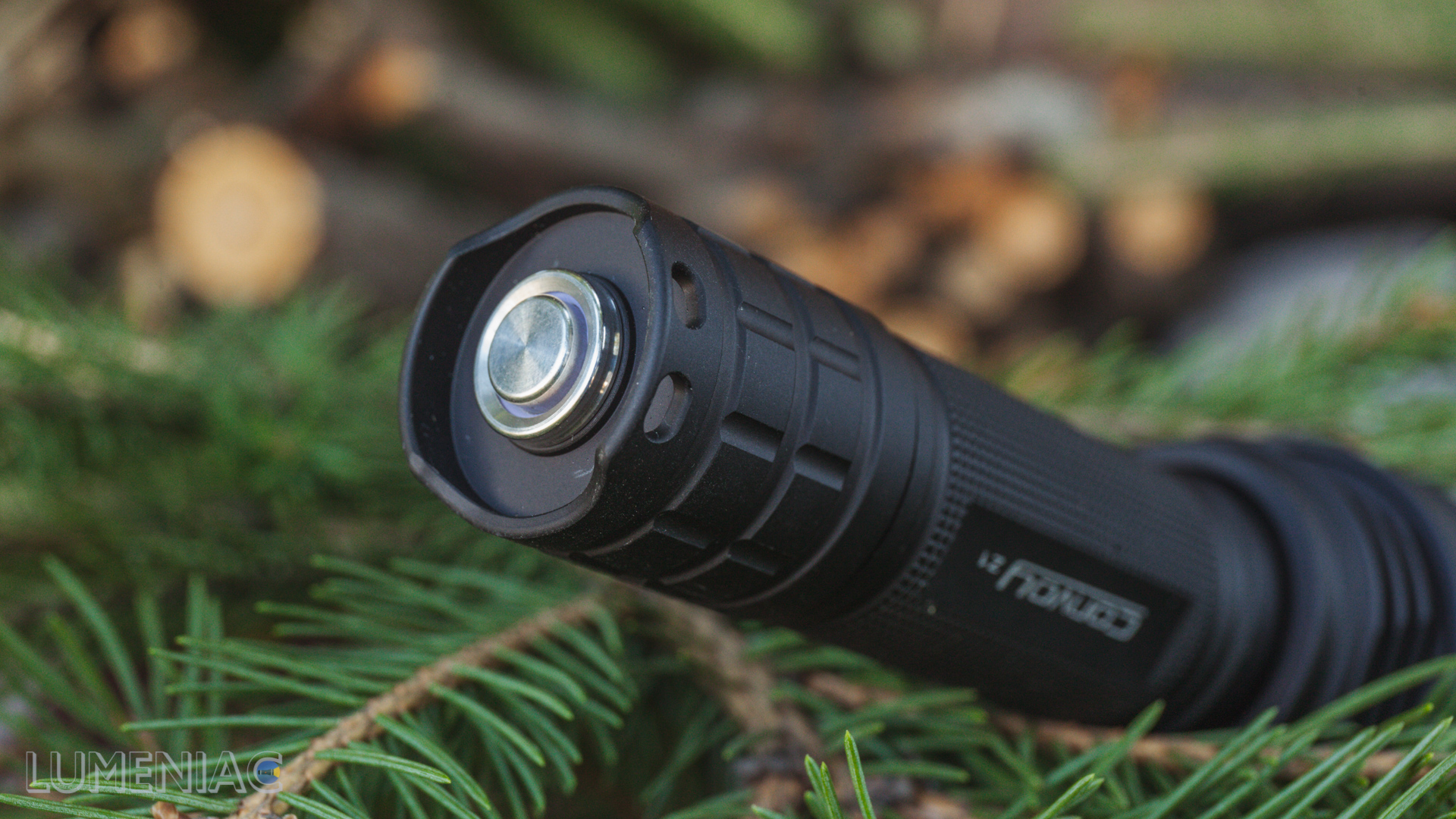
There is only one eyelet for the lanyard, the button is very nice, metal. The stroke is soft with a light click.
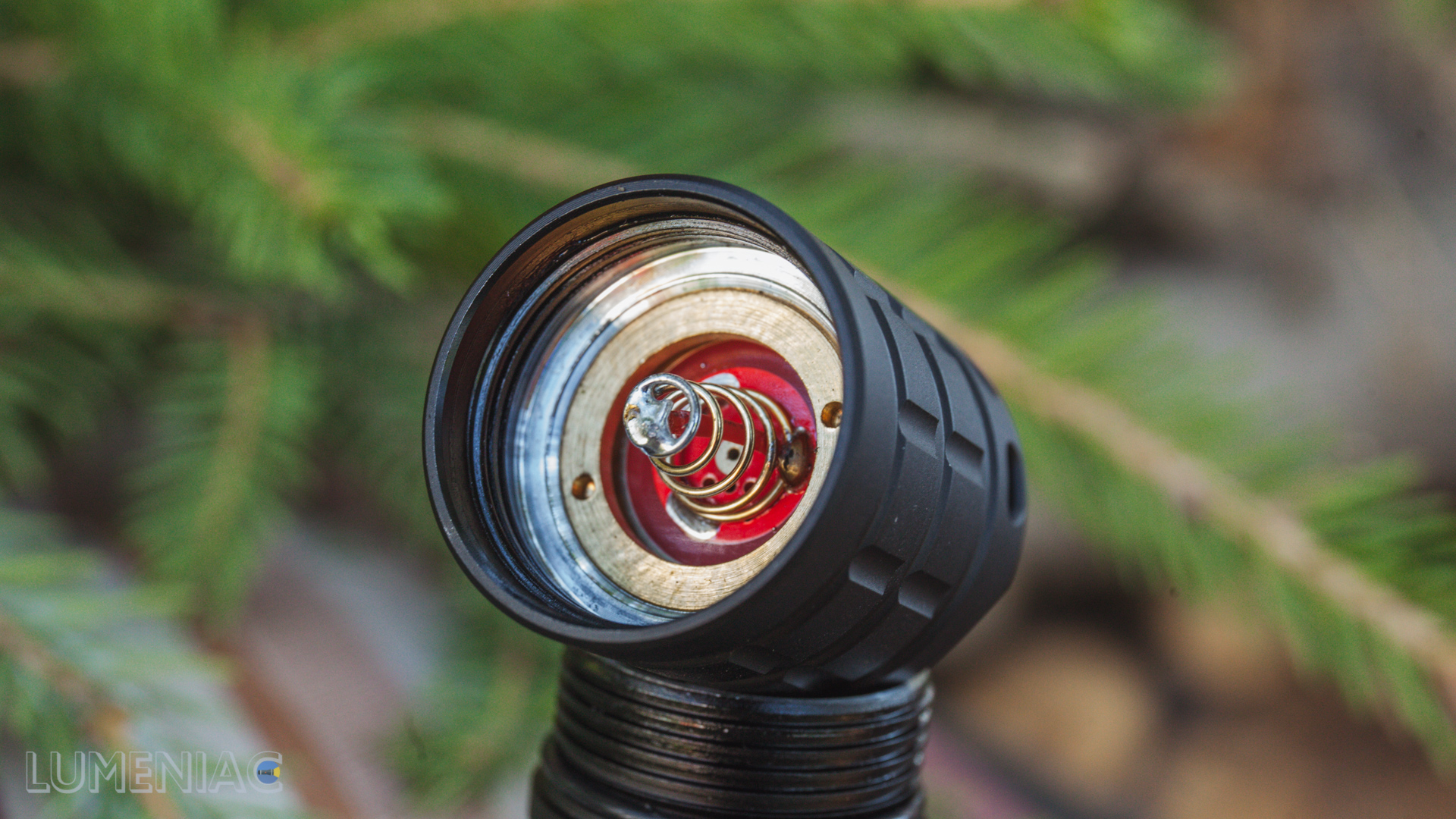
On the reverse side of the medium thickness, a bridged spring. By the way, there are many complaints about the quality of the shunt soldering. If you are interested, it is better to re-solder it yourself so that it does not chip off.
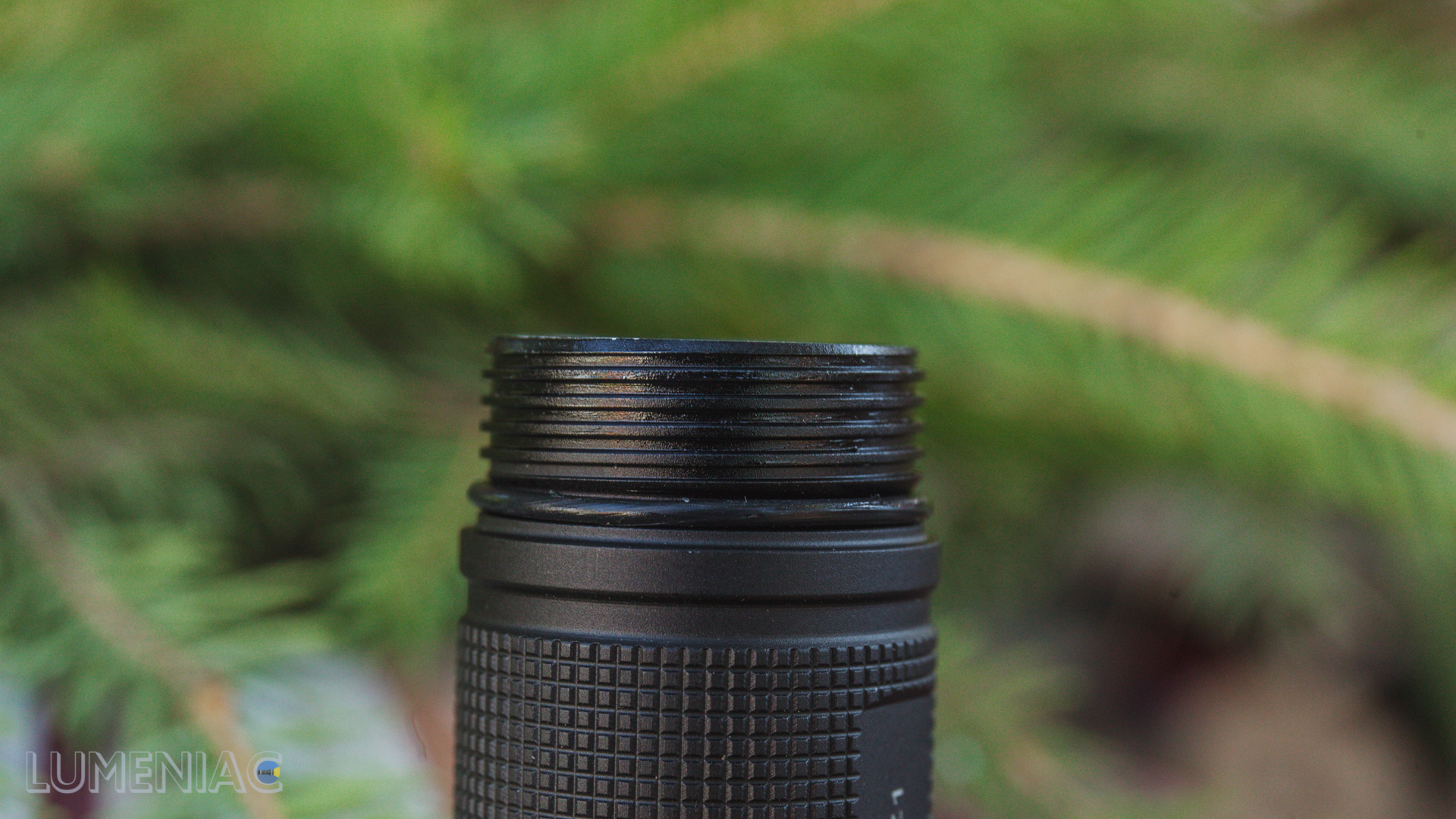
Medium thread is lubricated well
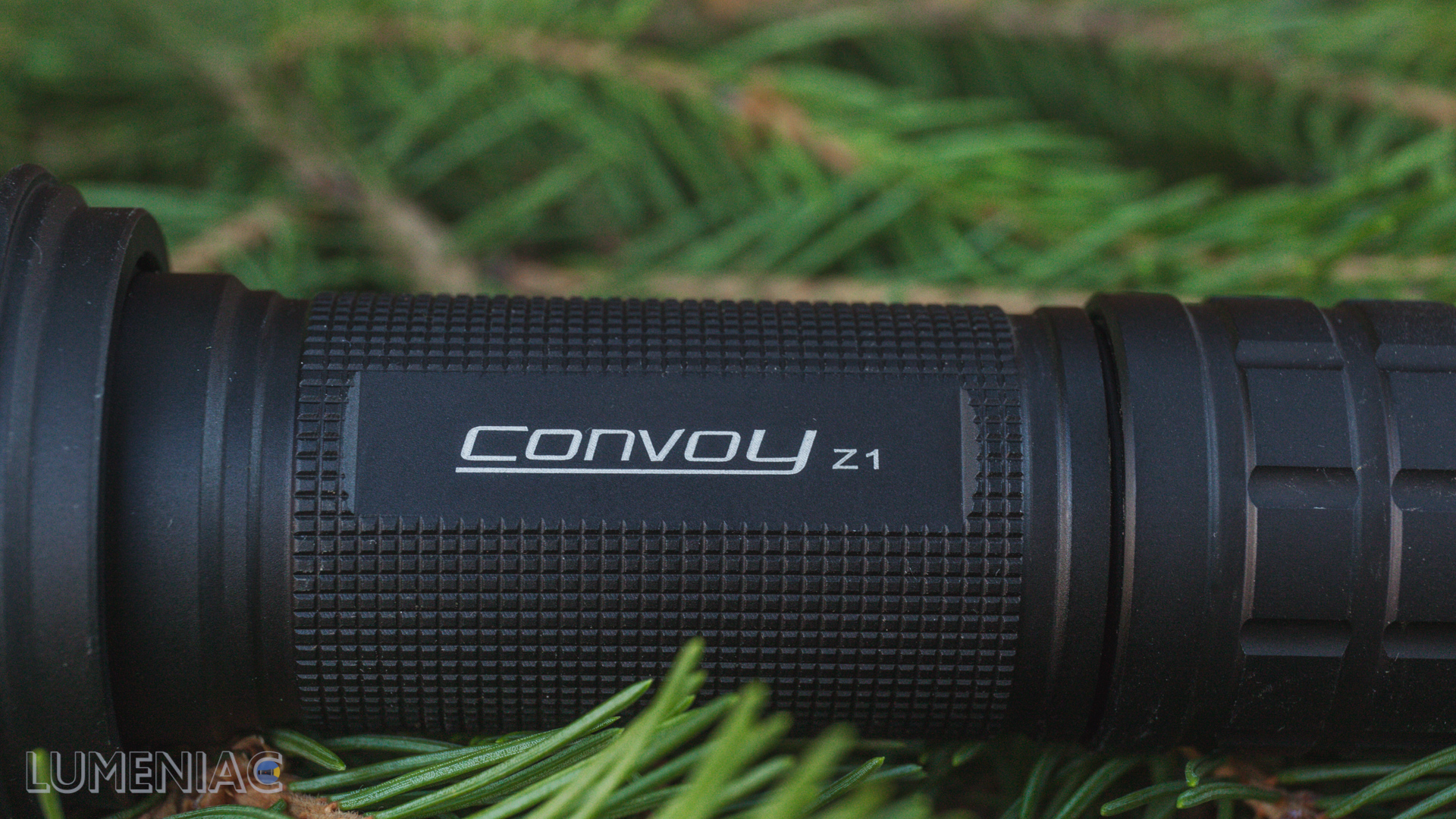
The knurling is very tenacious. Not a rasp, but it sits in the hand like a glove. And the grip itself is quite comfortable.
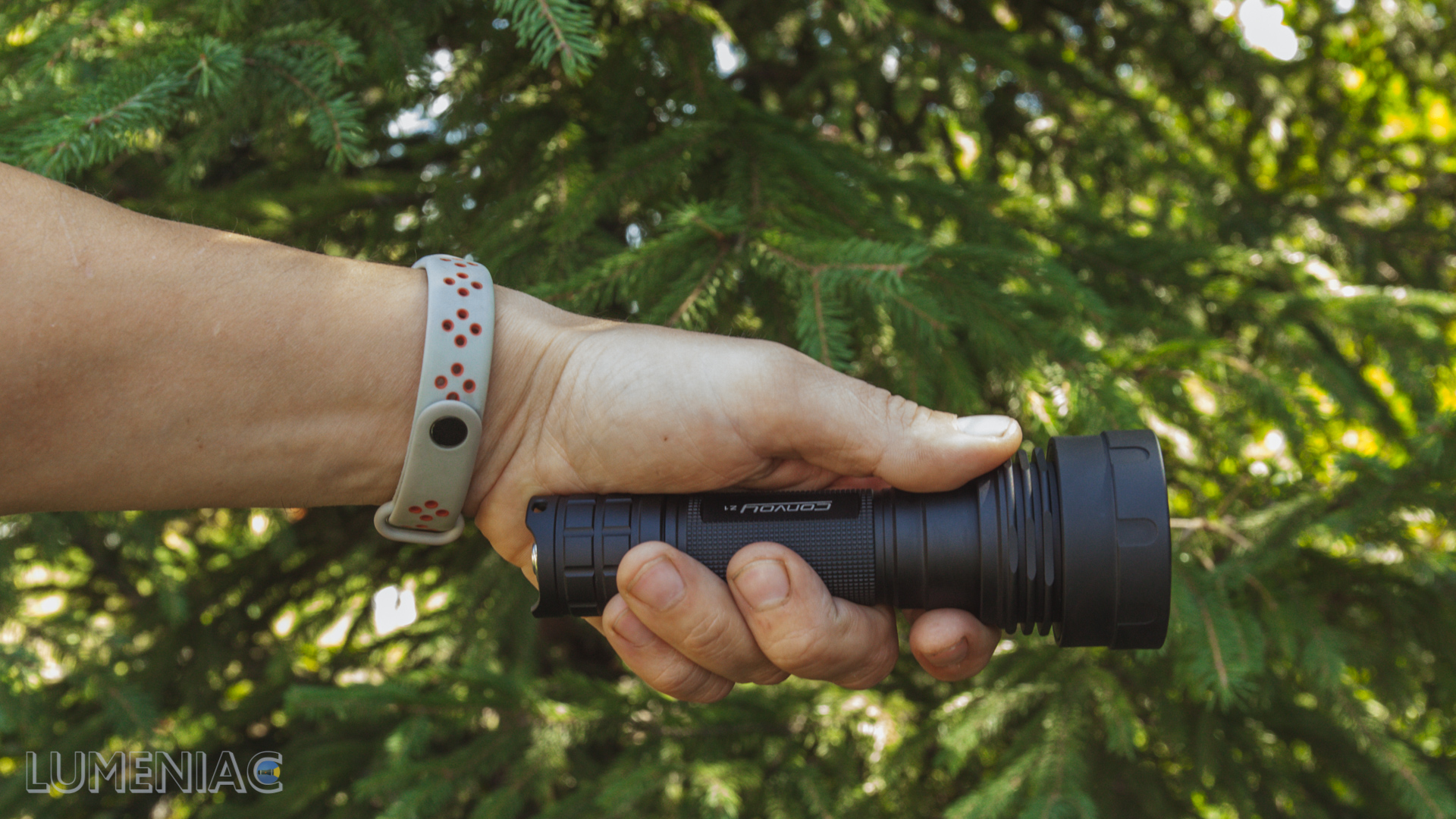
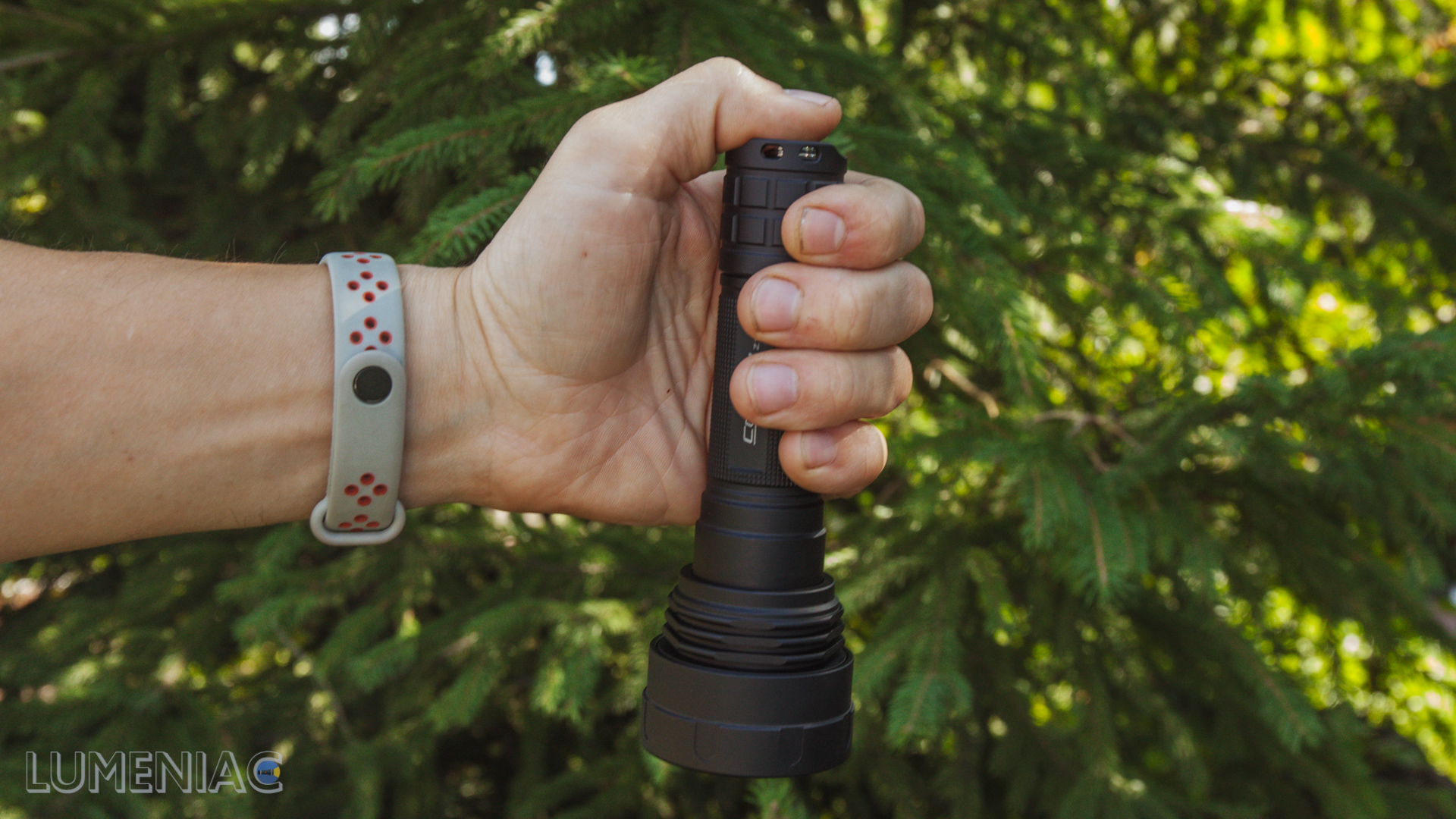
The cooling fins are quite good. Although, as you will see later, their efficiency should not be overestimated.

Then the fun begins. The only way I know of to achieve at least normal light distribution in a zoom lens is a movable TIR lens.
This is how it looks in a cheap analogue - Sofirn S11 (which died soon after i turned it on. so - dont recommend)
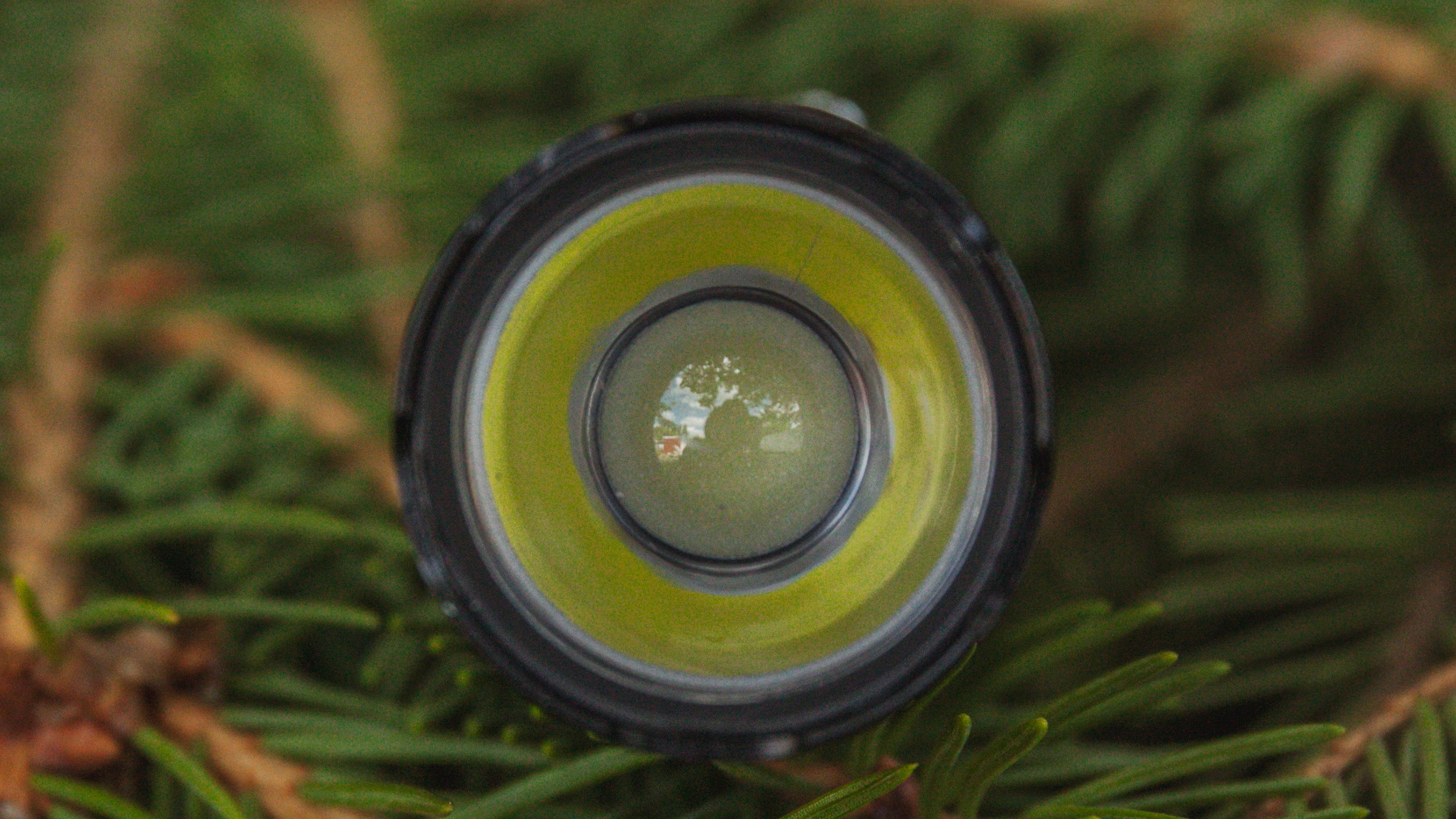
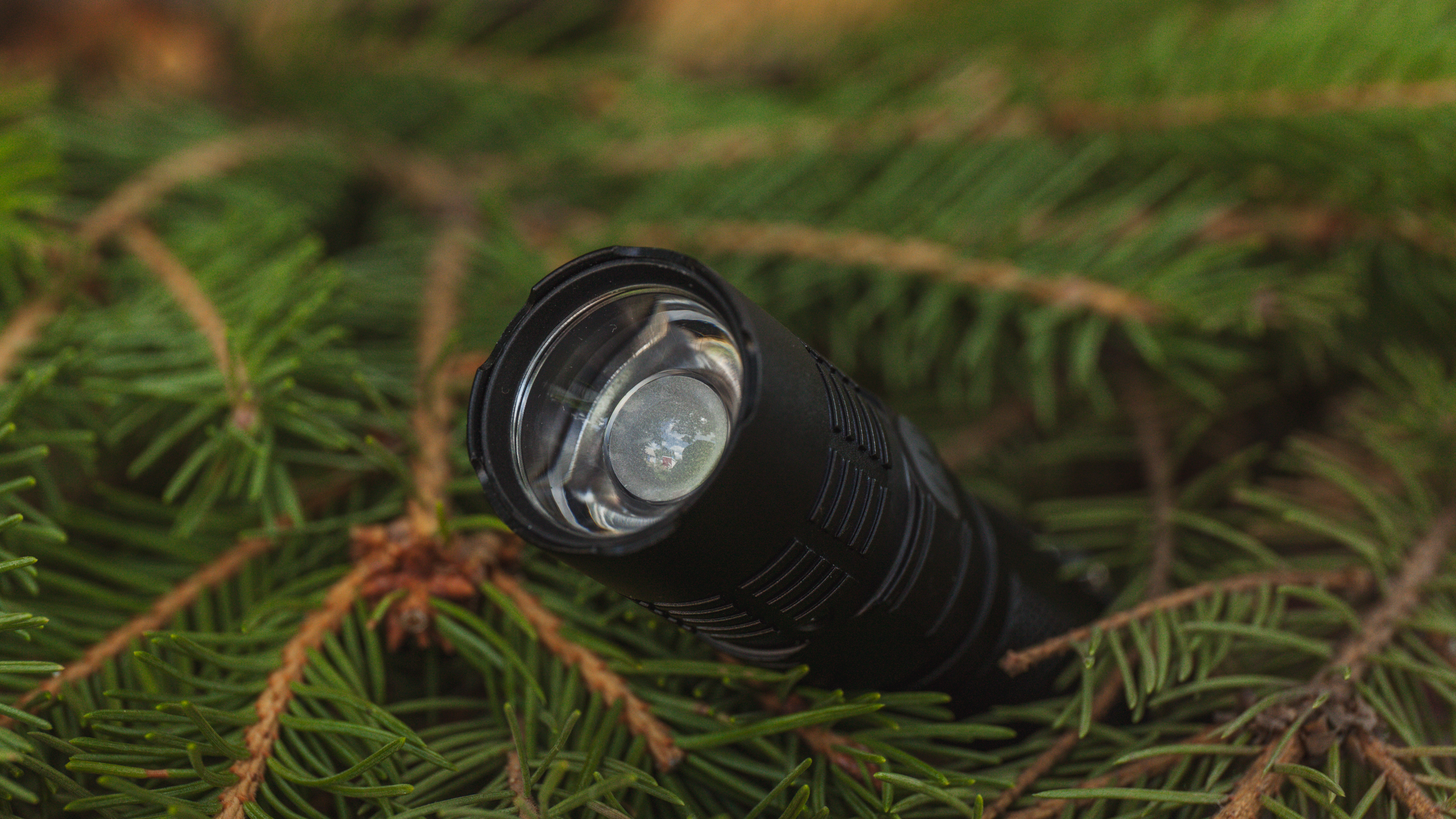
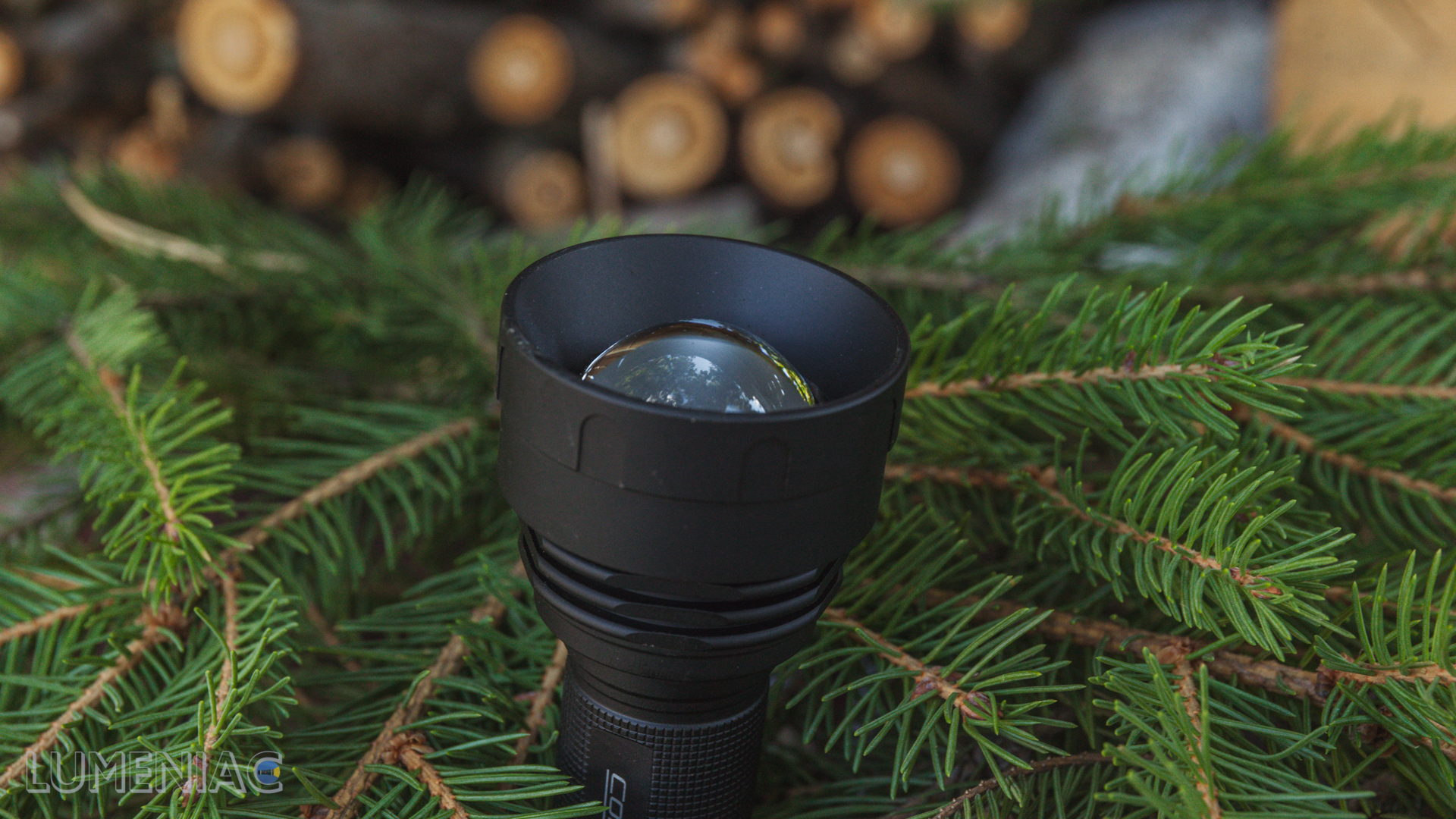
The convoy Z1 has the simplest lense possible - the usual aspherical. As a result, it sticks out of the head of the lantern as giant eye.
There is SST40 LED under it.
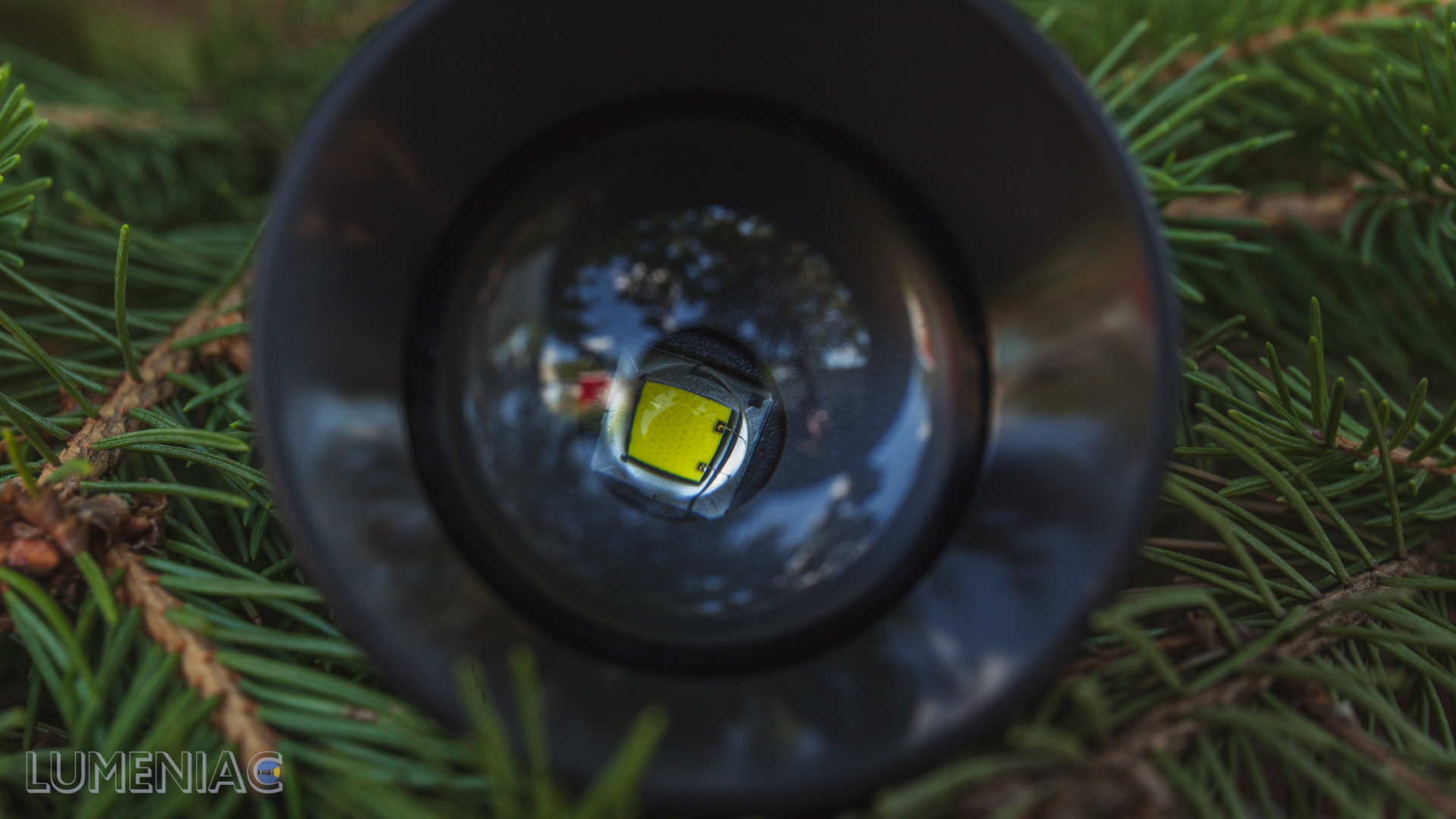
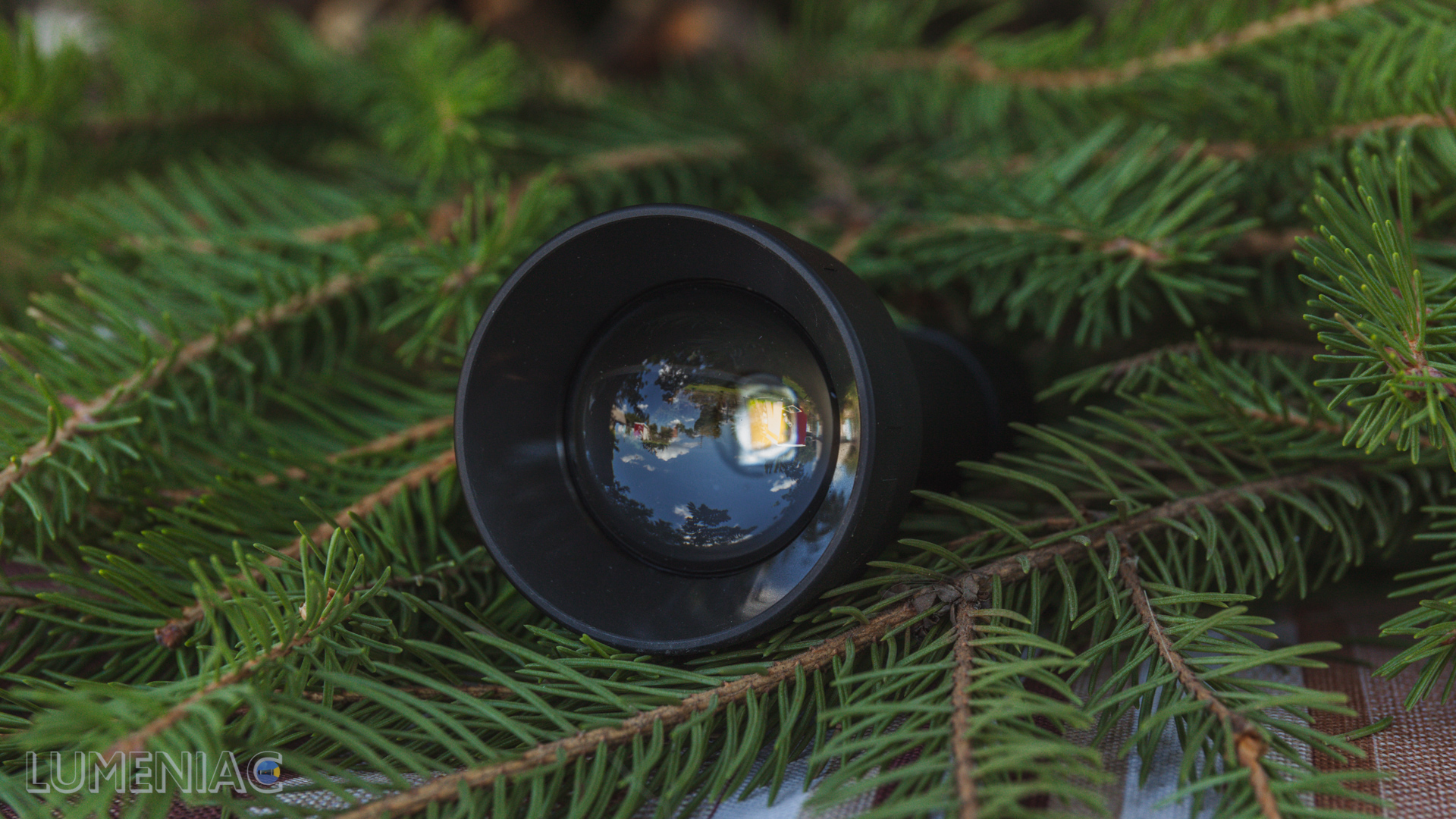
The bezel can be easily removed


As for the lens movement mechanism itself, here it goes along the thread. Although the zoomies are poorly waterproof, this model is ok - there are O-rings in the appropriate places.
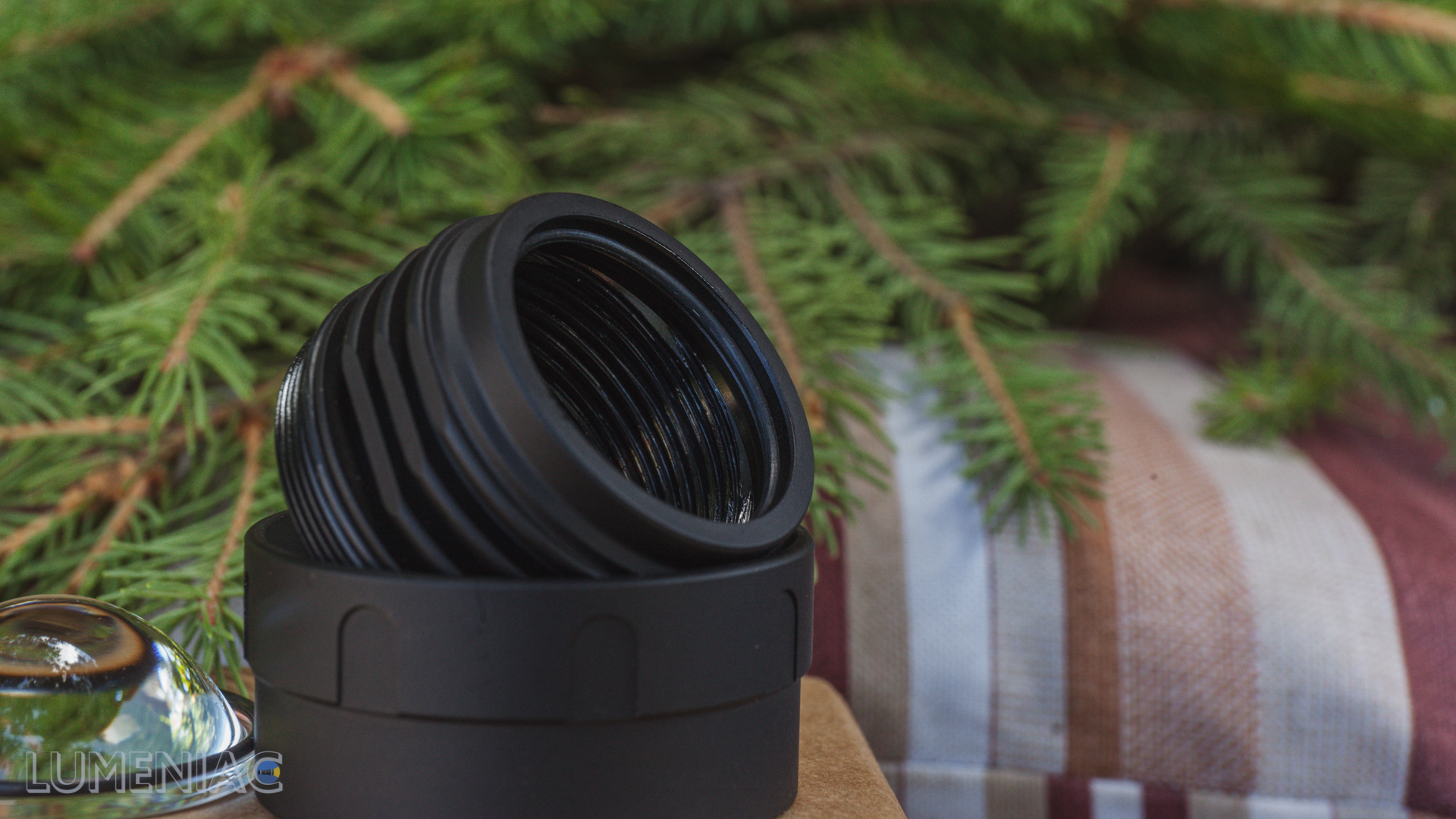
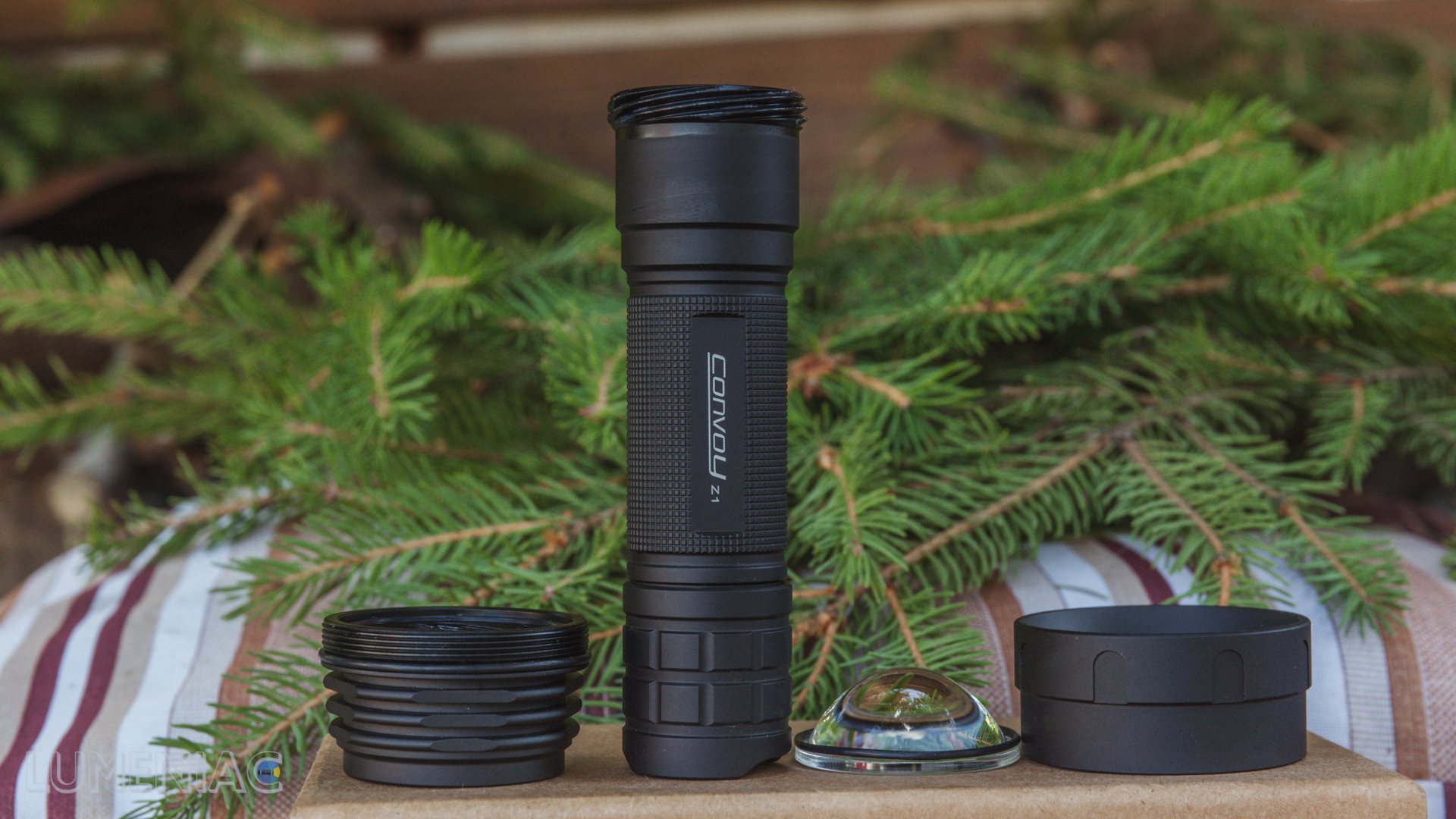
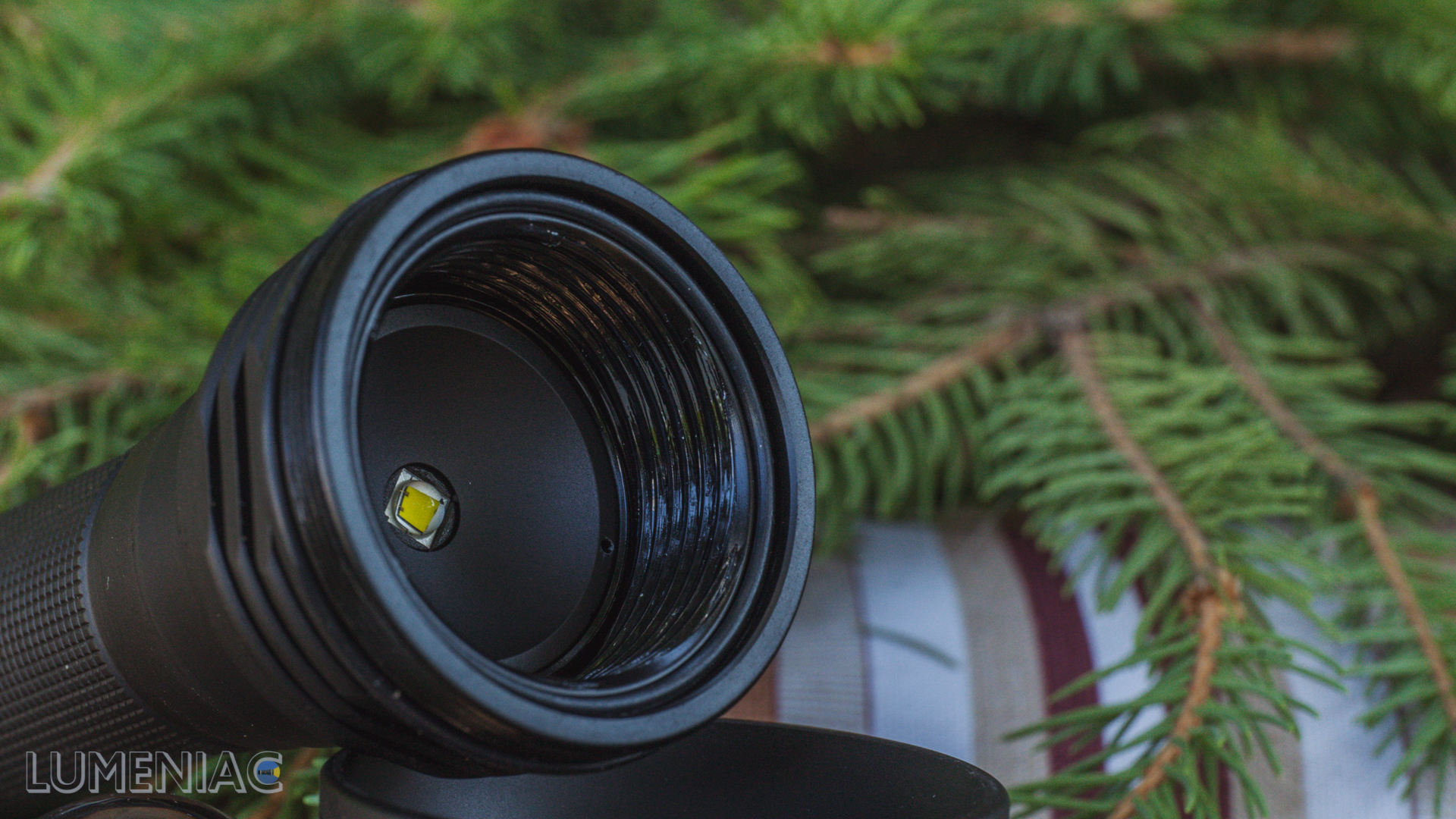
At this stage, there is nothing to complain about, except that I already understand that the use of an aspheric lens will obviously give a worse light in comparison with TIR optics.
UI

Well-known biscotti interface. In general, this system is quite flexible and convenient for everyday purposes. As a rule, all you need is to see which group of modes will be optimal for you, choose it and that`s it.
I usually choose # 2 or # 10.
No. 12 is good for hunting.
Choosing a good flashlight with a lens: Convoy Z1 SST40 vs Ultrafire LED T6
Convoy Z1 illumination
There are 2 advantages over Ultrafire: color temperature and significantly higher brightness.
Whatever they say in the specifications, the maximum that can be counted on in the latter is about 300 lumens and in the photo below you can see that at maximum brightness of Ultrafire is only symbolically brighter than 10%
The Convoy Z1 has a 55 degree thermal cut off. So, 100% mode here works like a classic turbo - the brightness is kept for about a minute, then it rapidly dives to half. So there is no reason to count on constant 100%. I am specifying this specifically for fans of zoomie flashlights, who, as a rule, dont really know how flashlights work.
The working maximum modes here will be either 50% or 35%. But they will be fully stabilized and significantly brighter than the same Ultrafire, whose brightness will still be systematically falling into nowhere.
tests were made with 4000mah battery. i recommend 4800mah liitokalas
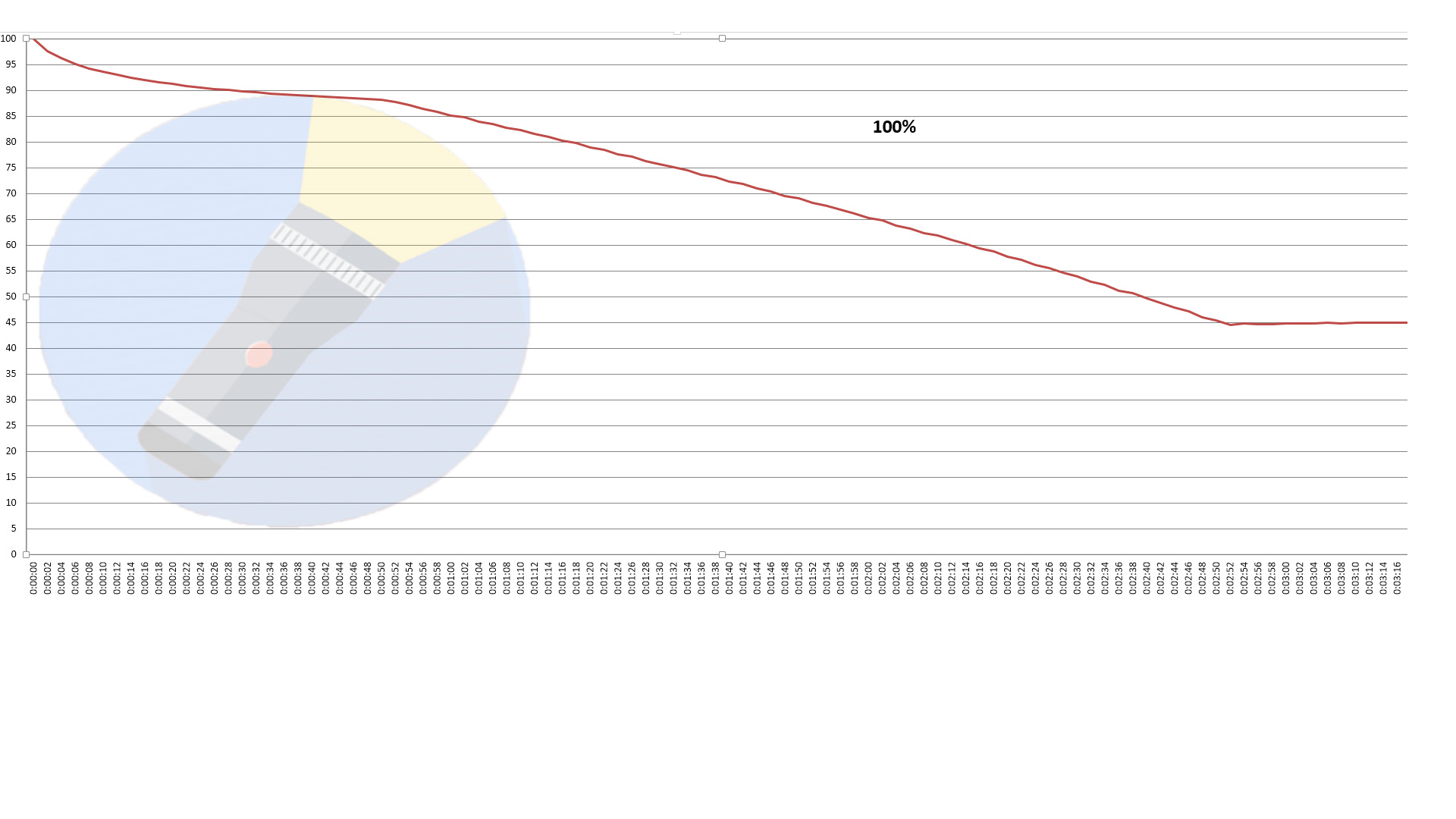
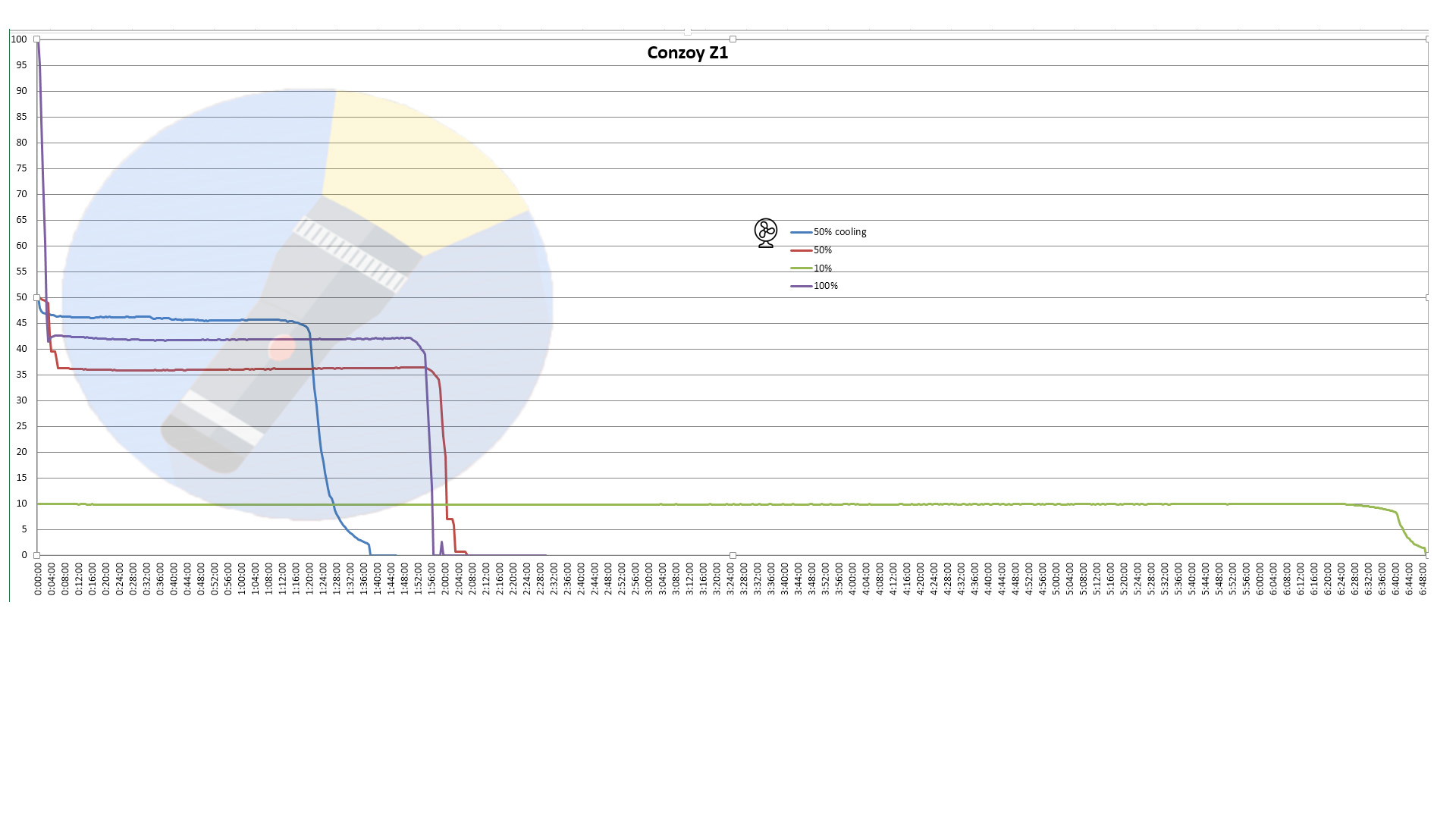
currents: 100% 4.4A (i couldnt measure high amperage properly, it should be around 6A) | 35% 2.1A | 10% 0.6A | 1% 0.047A | 0.1% 0.001A
As for the light distribution, then everything is disgusting as usually. Nevertheless, people with alternative tastes find both the evenly flooded circle falling off into the dark and the “throwy” square as delightfully comfortable.
There are two important clarifications about Ultrafire and other craps like it:
- at short focus, lower modes are useless, they will not be able to achieve practical brightness over the entire area of the circle. Prepare for increased battery drain at 100%.
- due to specific optics, most of the luminous flux is lost at the far “long-range” focus. Such loss may almost 70%! Well, the veined square itself does not add joy either.
Therefore, it turned out that a completely ordinary and purely short-range S + in its most budget version on xml-2 4x7135 gave almost immediately the same throw as stinking ultrafire. And at the same time, S2+ can also be used at close range light with much more comfort than an all these zoomies with T6
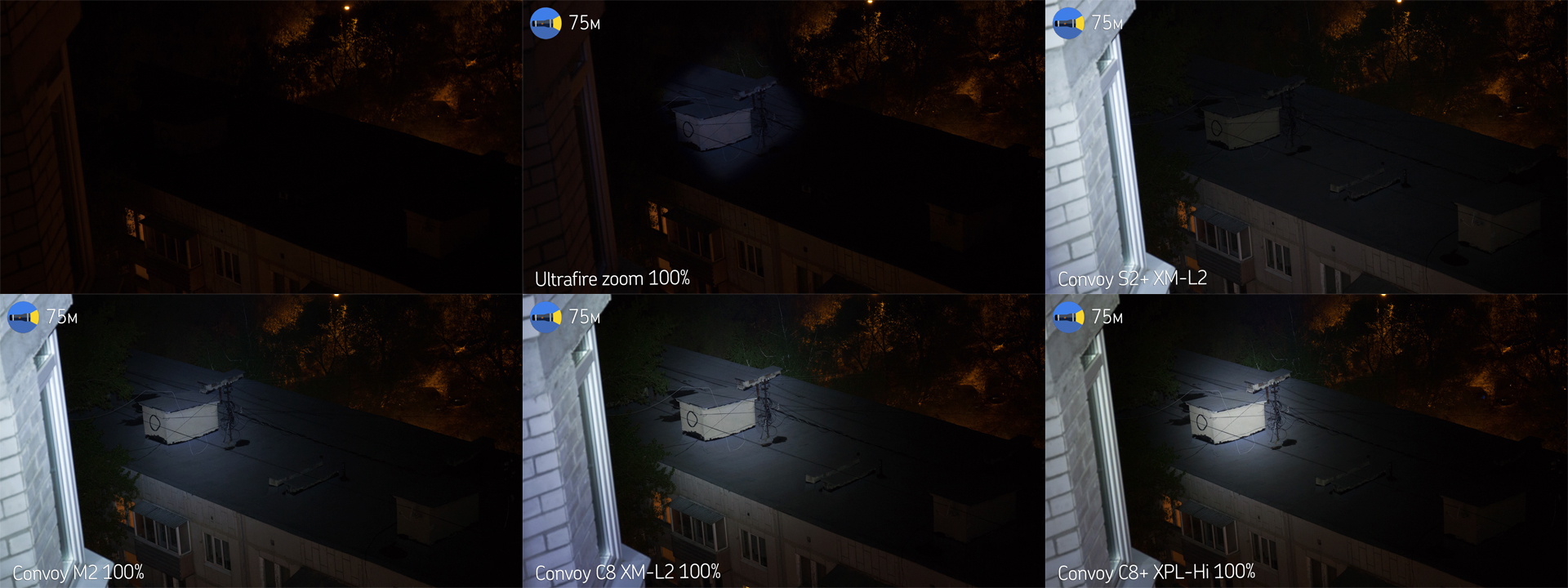
As a result, if we take the near and far focus as 0 and 100, then more or less you can use it in the range of + 15-85. That is, all the versatility comes to naught, and the flashlight already works like an average mid-range model, where there are lots of significantly more convenient competitors.


In the case of the Convoy Z1, the situation has become much better and the flashlight can be used normally already by 10, by 35 it becomes generally quite acceptable. For zoomie, of course.
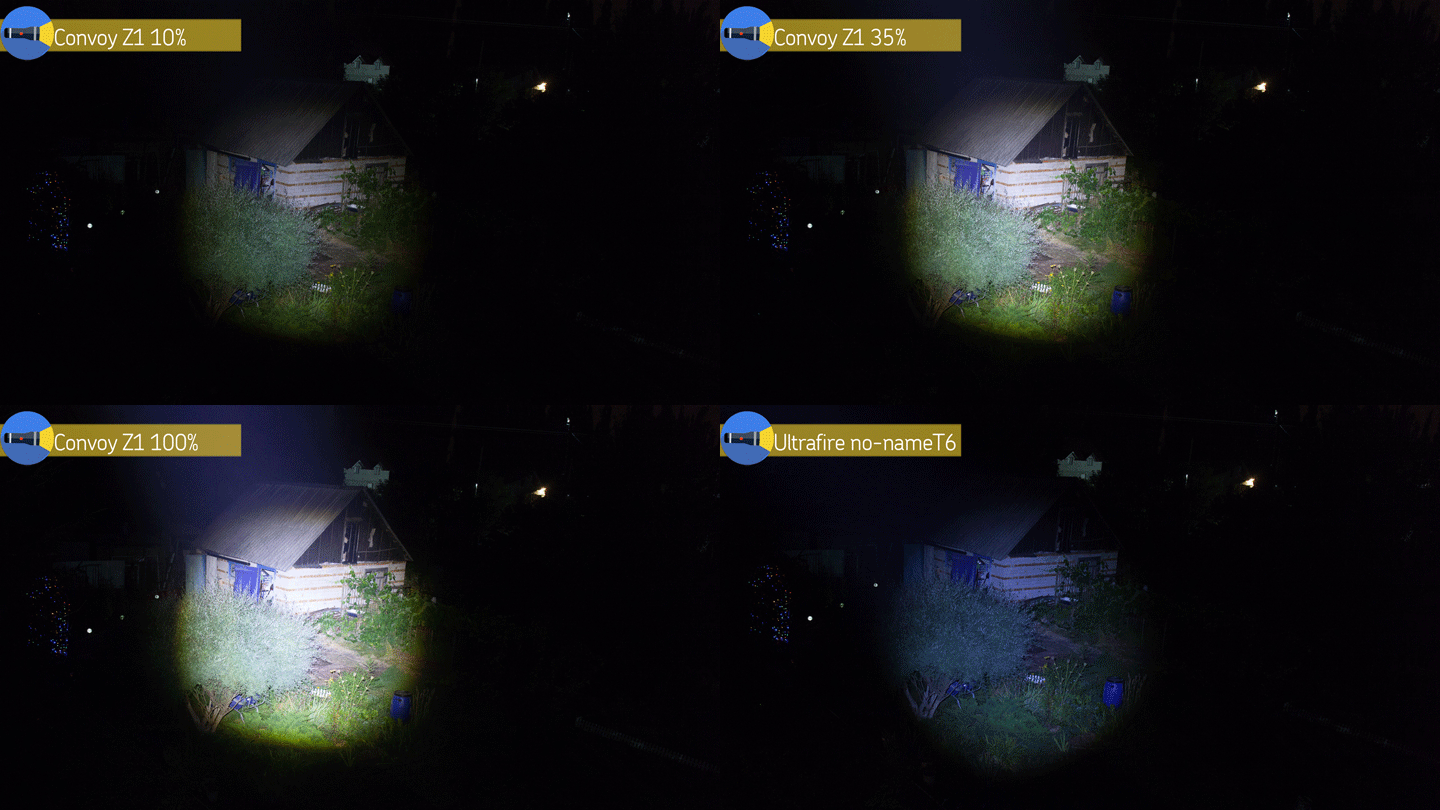
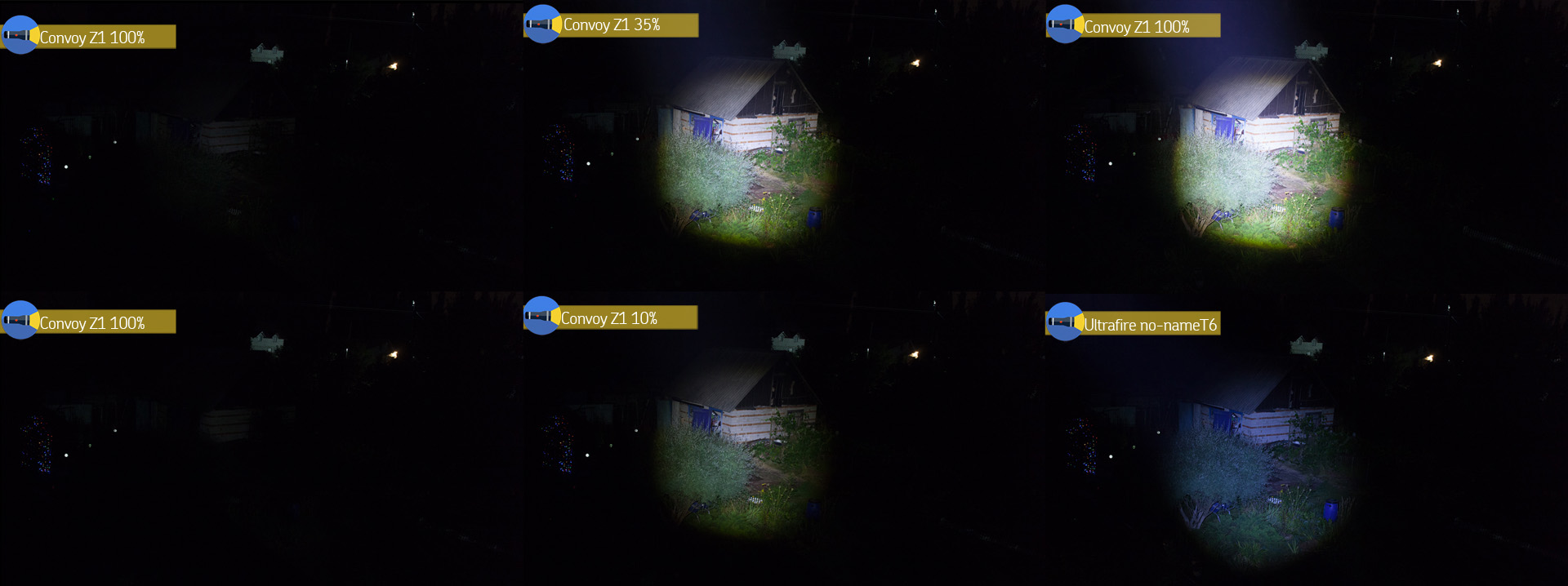
But, nevertheless, a more or less acceptable picture becomes if you push lense somewhere at 4/5. In this case, the flashlight becomes a kind of between mid\far range model.
Throw, by the way, is quite good. This surprised me as I expected worse. I think you can get around 200m throw .


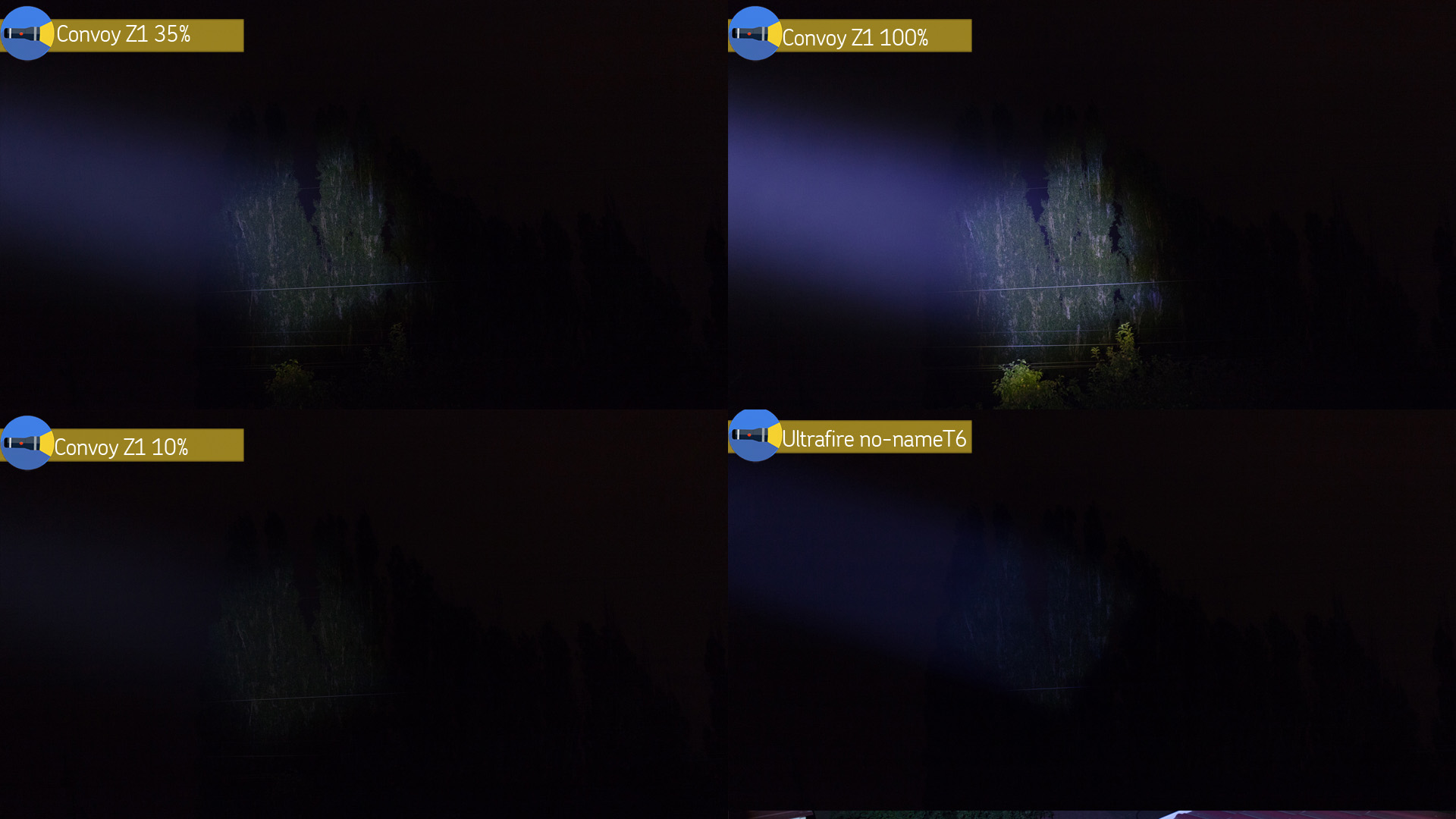
and much more alive performance in this video review
OVERALL impressions
The Convoy Z1 is WAY better than the Ultrafire. It has a modern bright SST40 LED with normal color temperature, full stabilization and good control. And it looks much better.
However, speaking of the brightness, it is worth clarifying that in reality you have to rely on a maximum of 50% - the maximum is quite good, but it drops after a minute. The light distribution at both ends is as poor (for my taste) as the unnamed ultrafires. 21700 battery is not an advantage here, since the sh1tfires can also store it.
What’s left in the bottom line? If you fundamentally need to buy an LED flashlight with a lens from aliexpress, then, yes - the Convoy Z1 will be BEST option. The question is that fans of this kind of flashlights, in the exceptional majority of cases, are not ready to pay more than 10 bucks for a flashlight, and no matter what advantages the Z1 has, they will most likely buy a deliberate sh1t purely because it is cheap. Fans of models with LEDs labeled XHP90 \ XHP100 (only these letters are in common with the original Cree LEDs) will still, I am sure, continue to buy all this slag purely because the sellers draw frankly insane brightness numbers in specs.
In short, so. The Convoy Z1 is as good as possible for an aspherical lens lens.
It shines well into the distance and in high modes gives a wide bright circle for near range use. But I still think that it is more justified to take some kind of mid-range Convoy S11 \ S12. They are much more convenient and practical at close range, and can even somehow throw to about 150 meters.
 It was the YT name of the channel