Could anybody recommend auxiliary lights for a motorcycle that are relatively solid with decent LEDs and beam but also not too expensive?
2 Thanks
Also interested.
I’m still looking for a descent aux lights. Meanwhile bought a relatively cheap pair of lights, but they are not that good.
The bonus is that I think I figured out how to wire them the way I want them to work - to be confronted with reality tomorrow - replacing the lights is relatively easy once the wiring works (or not…).

I was hoping that there is a reliable aux lights maker similar to Convoy/Sofirn/Wurkkos that I haven’t heard of.
1 Thank
Significant, focused, down-the-road nighttime motorcycle lighting is a specialty niche. Any touring, sport-touring and dual-sport / adventure-bike forums would be more likely to offer useful info from Riders who do serious miles.
If adding daytime conspicuity by spewing lumens is the intent, browsing major online bike accessory retailers will reveal what the common brands are. Just don’t run them at night as their floody beams will blind oncoming drivers.
slmim
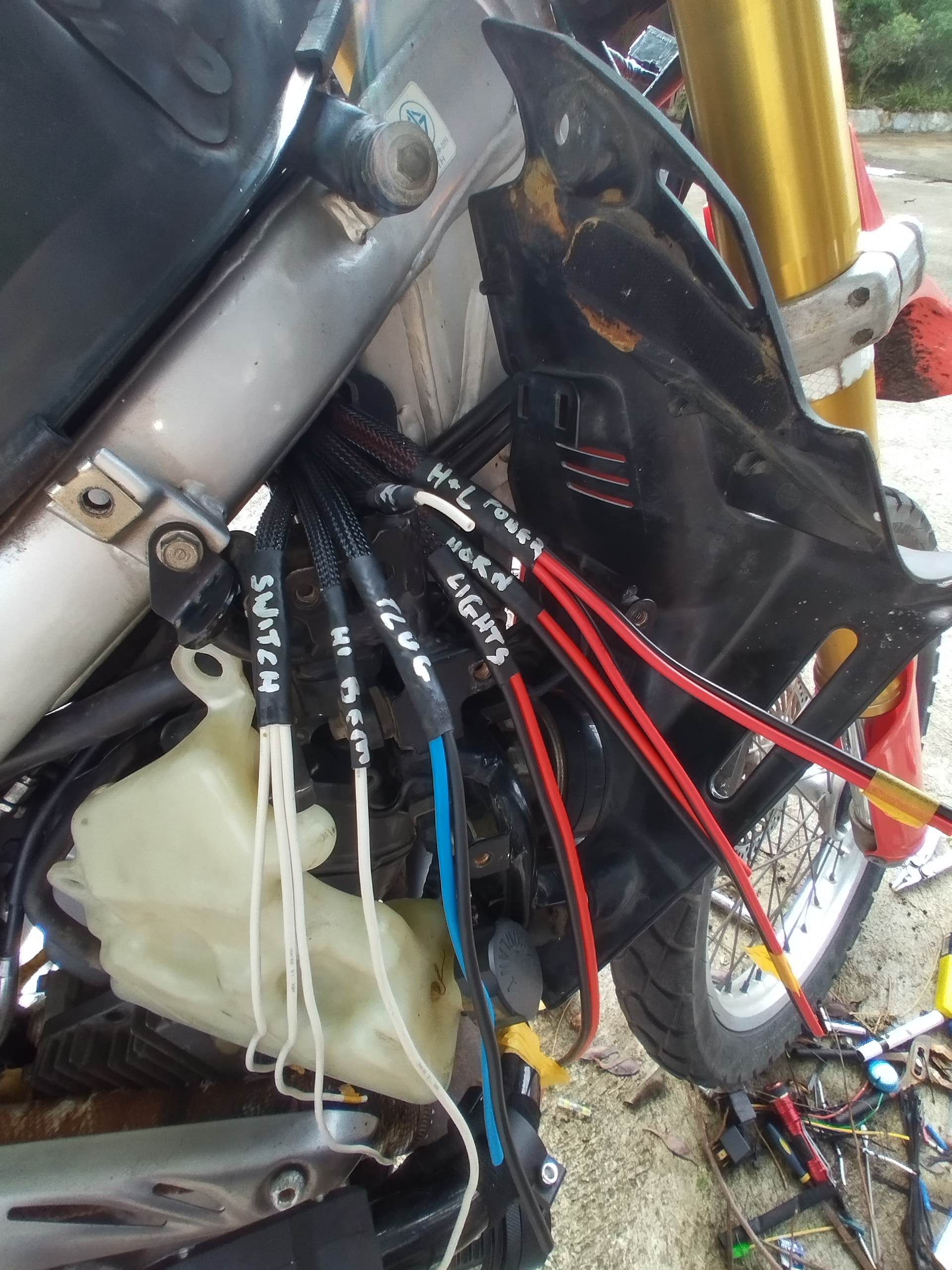
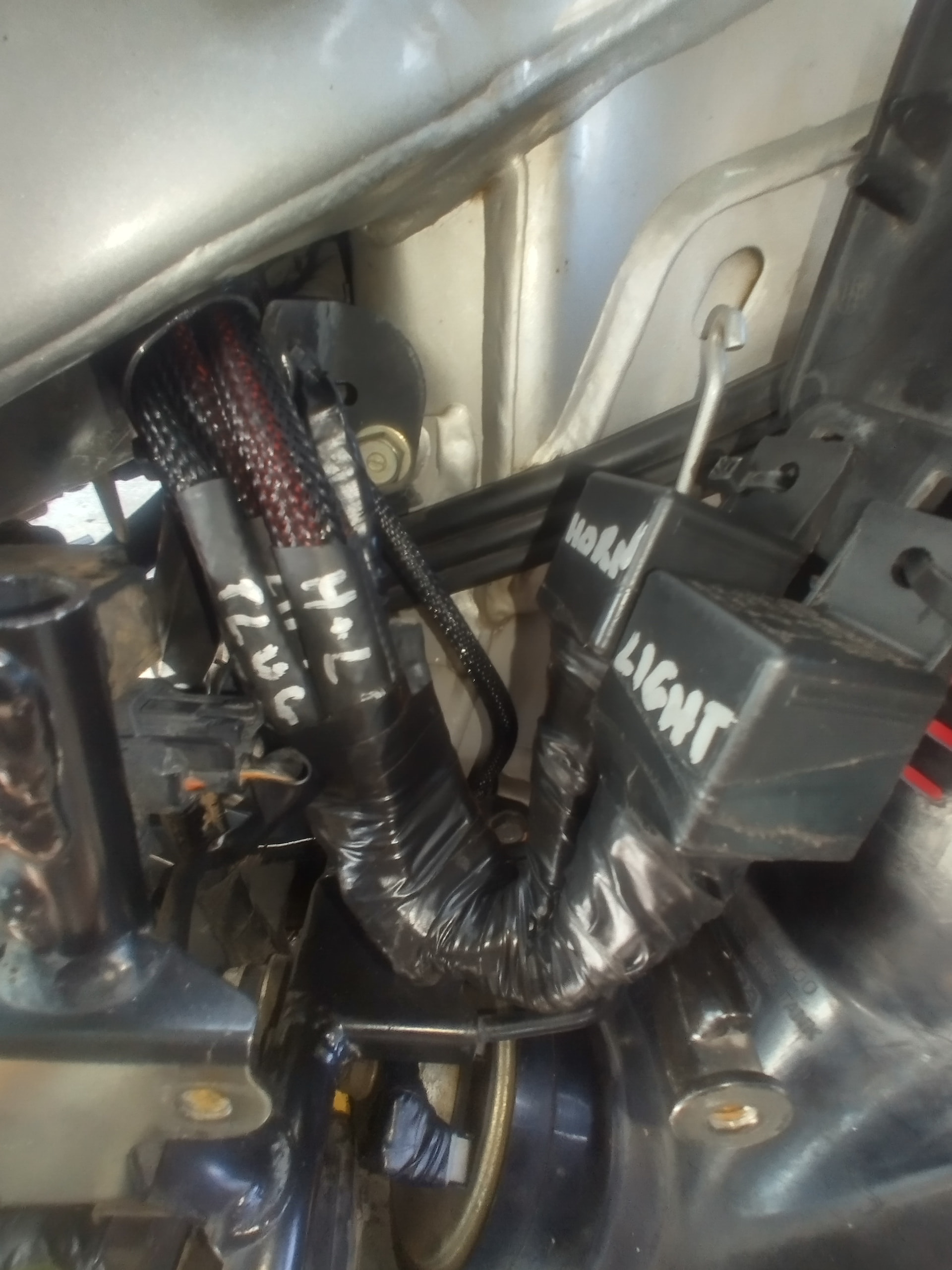
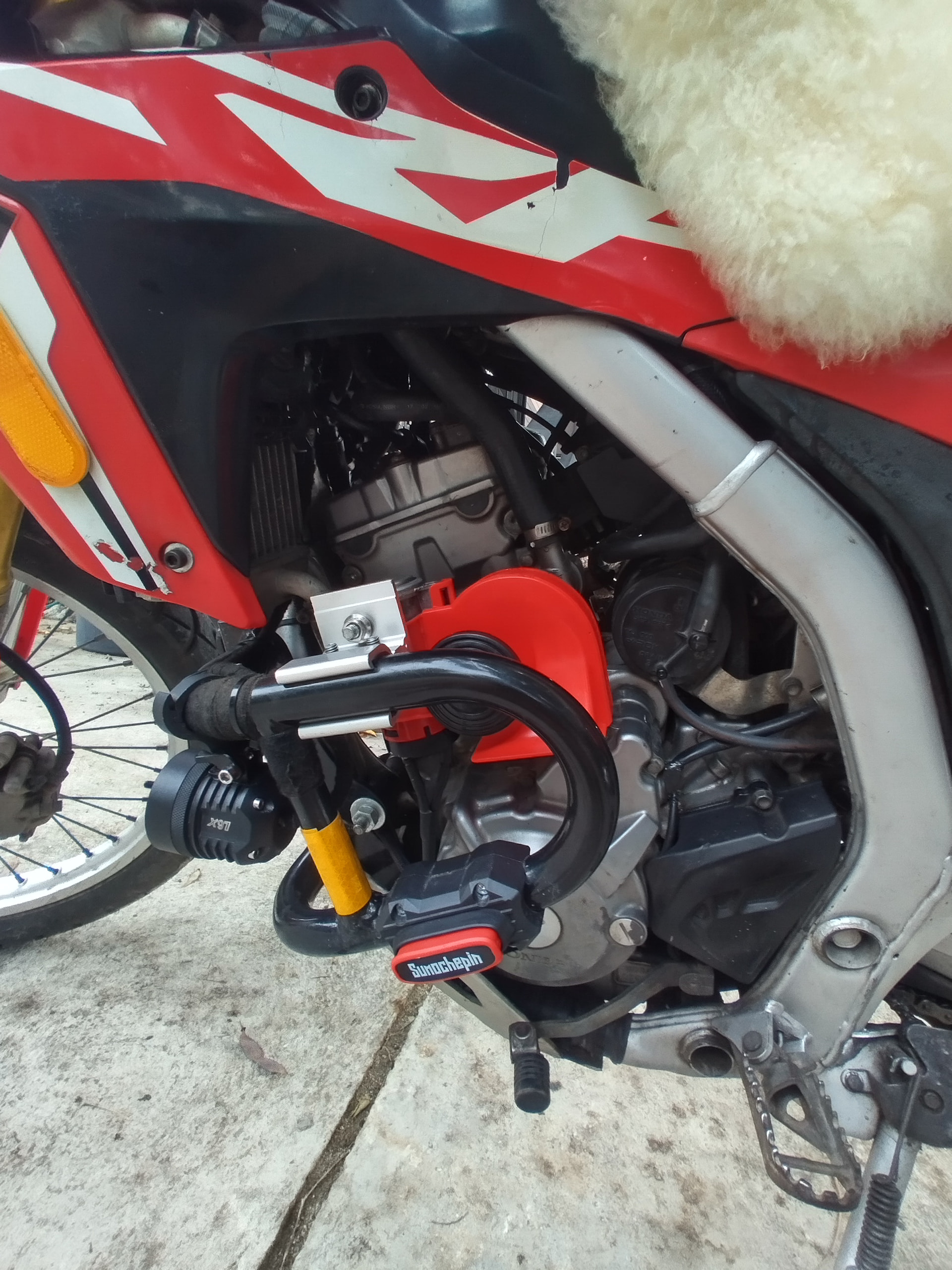
Congrats!
I need upgrade my 32yo alternator first before i go your route
1 Thank
On the alternator, because that is the actual constraint and it decides the lamp before you shop for one.
A 32-year-old bike is typically 180-280 W of generation at cruising rpm, and the machine spends most of it before any auxiliary light sees a single watt: ignition 30-50 W, headlight 55-60 W, tail and plate 10 W, instrument backlights 5-10 W, and another 20-40 W just holding the battery at 14.2 V. On a 250 W system with a 60 W headlight and a heated grip circuit, you can be at zero surplus at 4,000 rpm and in deficit at idle.
The measurement that settles it costs one clamp meter and twenty minutes. Warm the engine, switch on everything you intend to run, hold 3,000-4,000 rpm, and read DC current on the battery positive lead. Current flowing into the battery is surplus; at or below zero, every auxiliary watt is coming out of the battery and you will discover it on the first cold morning. Repeat at idle, because that is where the deficit shows up first and where a tired regulator hides. If you see less than about 13.8 V at cruise with the lights on, fix the charging system before adding load, not after.
As a sizing rule, keep continuous auxiliary lighting under roughly a third of your measured surplus. Two 10 W pods total 1.7 A and almost any bike carries them. Two 40 W pods total 6.7 A, which is a different electrical system, not a different lamp.
On the original question - whether there is a Convoy or Sofirn equivalent for vehicle auxiliary lights - not really, and the reason is regulatory rather than commercial. A handheld light sells on emitter and driver specs. A vehicle lamp has to hold an IP rating through vibration and thermal cycling, pass ECE R149 or SAE photometry, and ship a beam with a defined cutoff and a documented test-point grid. The tooling and certification cost per SKU is an order of magnitude or more above a flashlight body, which is why the cheap end of this market is uncertified flood pods with impressive lumen numbers and no photometric data at all.
What that means in practice for a CRF250L used on the road: buy the beam shape, not the lumen count. A wide flood pod aimed two metres ahead is worse than useless at speed, because it lights what you can already see and closes your pupils against the distance you actually need. A spot or a proper driving beam with a cutoff, aimed so the hotspot lands 40-60 m out, is what buys reaction distance. Two lamps on separate switches - one wide and low for the verge, one narrow and far - is the setup that works on unlit roads, and it also lets you run only the wide one in traffic.
Wiring: take power from the battery through a fused relay triggered by a switched circuit, rather than splicing into the headlight loom. The run from battery to bars on a bike is long and thin. At 5 A a 0.75 mm2 factory loom drops close to a volt, and an LED driver that sees 11.5 V instead of 12.6 V draws more current to make the same output, which increases the drop. Use 1.5 mm2 from battery to relay, and mount the relay where it does not sit in spray.
Disclosure: I work for a manufacturer of vehicle auxiliary lighting, so treat the sourcing opinion as interested. The electrical arithmetic is not.
4 Thanks