Model Name: Fenix CL26R Pro
Body Material: Plastic
Max Brightness and Throw: 500 lumens and 15 m
LEDs Not specified
Power Source: 21700 battery (5000 mAh included), USB-C charging
Size and Weight: 2.60" × 2.34" × 4.49"/66 × 59.5 × 114mm | 7.02 oz/199 g (excluding battery)
Other: IP66 rating, 1m impact resistance, built-in magnet, power bank function


DESIGN
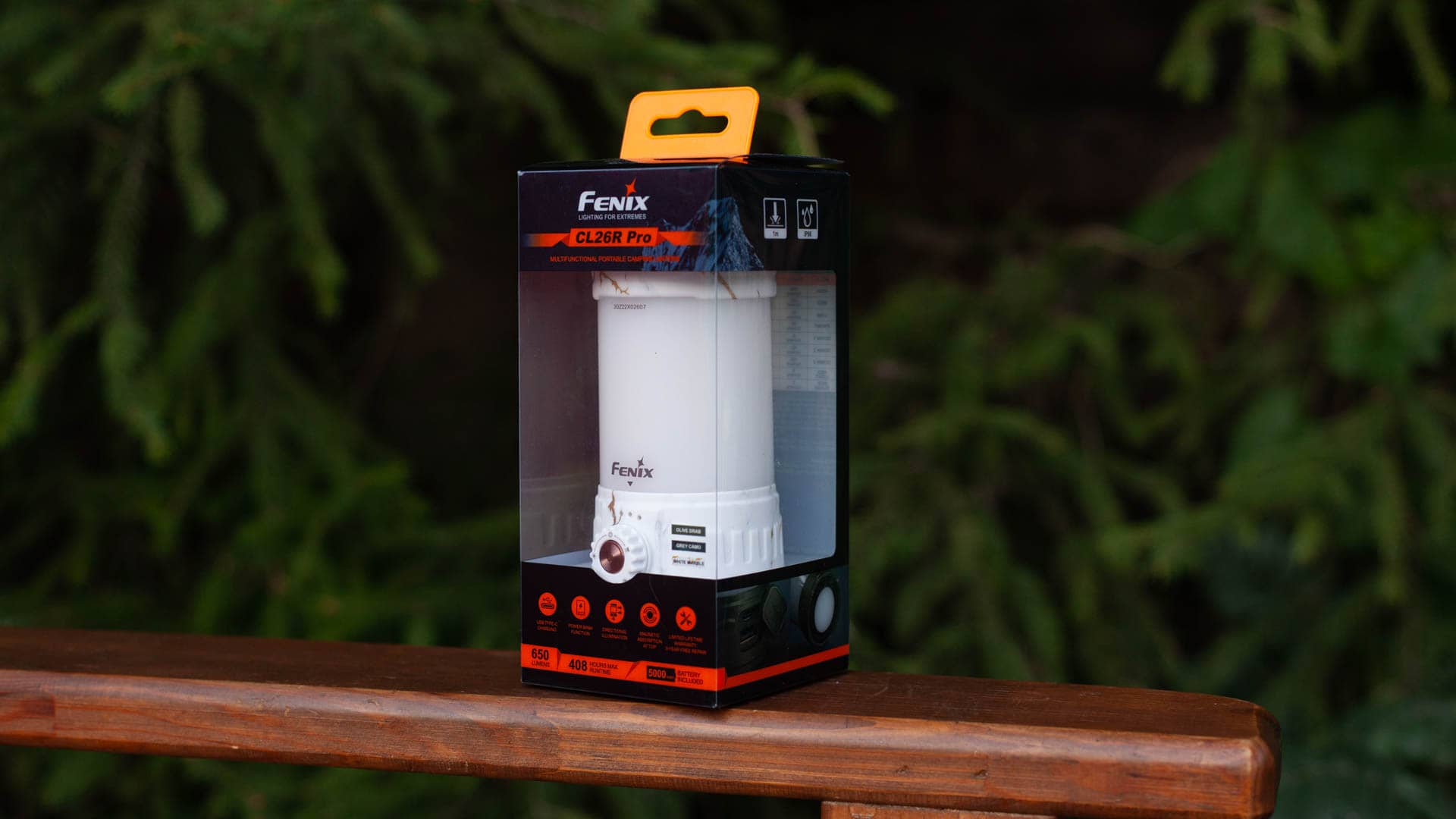
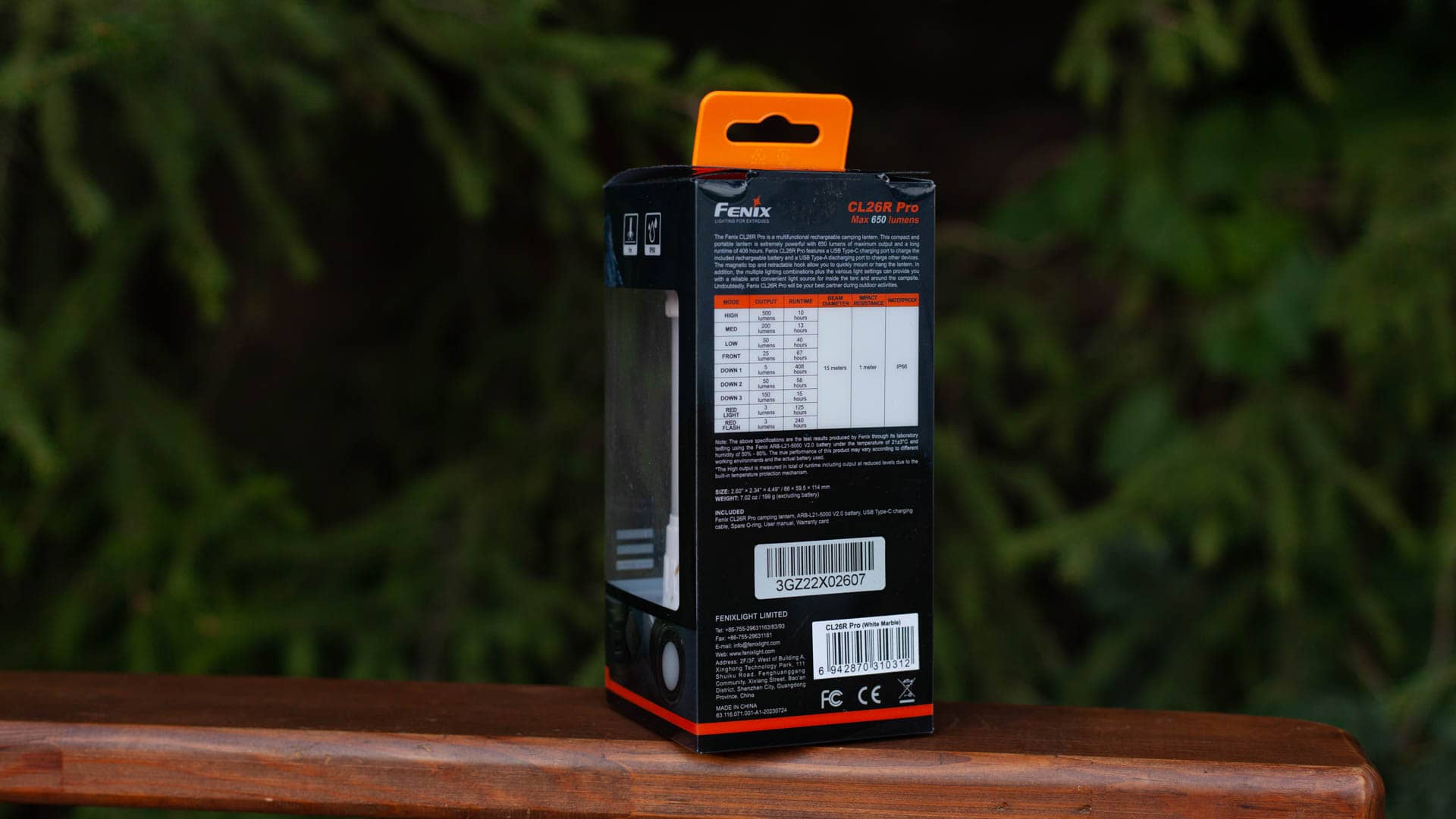
Fenix CL26R Pro is one of the higher-end camping lanterns by Fenix, so it’s no surprise that the packaging reflects this. It is made of plastic and features high-quality printing. The lantern is visible through a transparent section, while the rest of the included accessories are tucked away in a small box beneath it. It certainly looks impressive enough to be given as a gift.
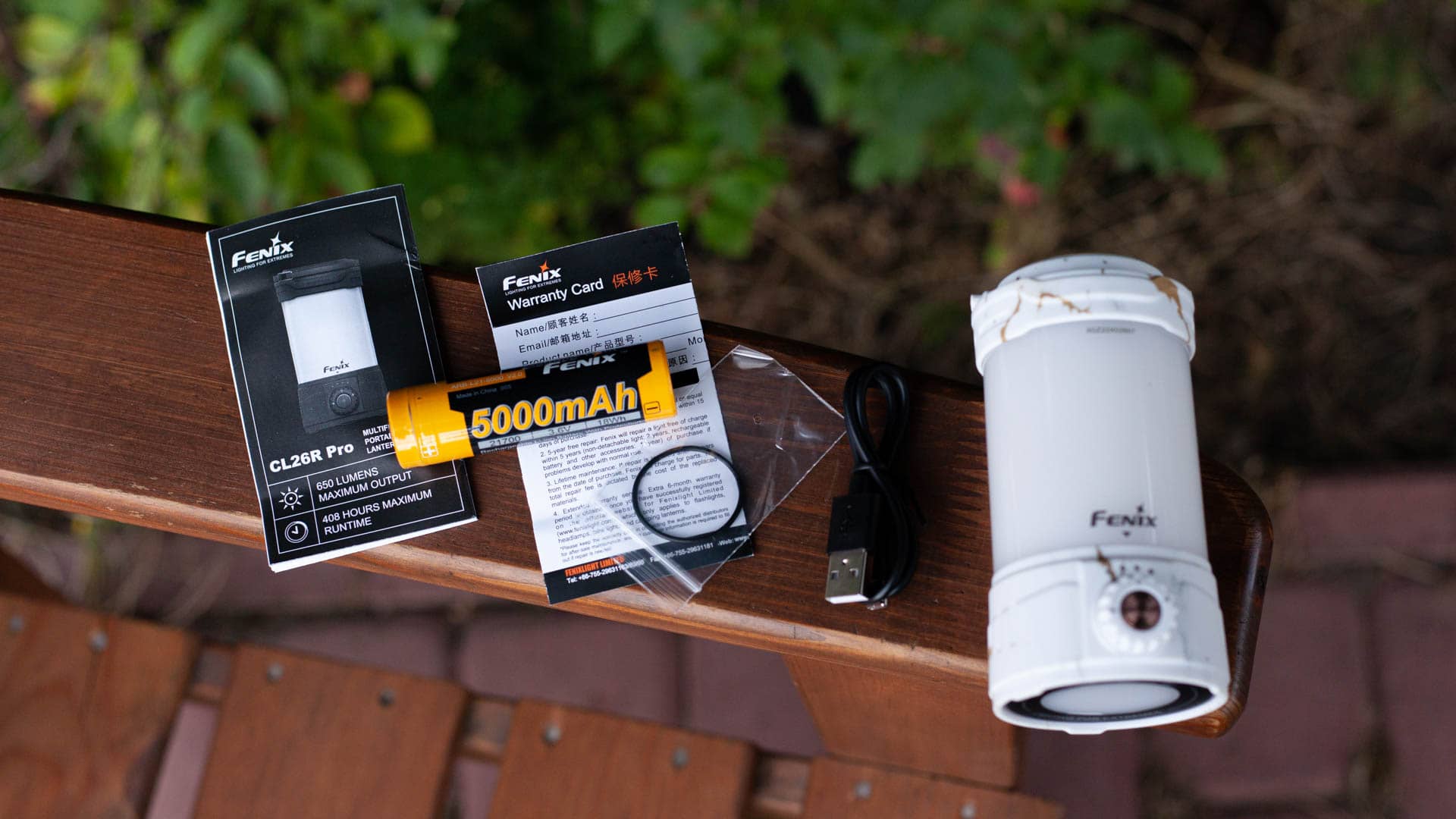
The kit includes:
- Fenix CL26R Pro
- 21700 battery (5000 mAh capacity)
- USB-C charging cable
- O-ring
- User manual
- Warranty card
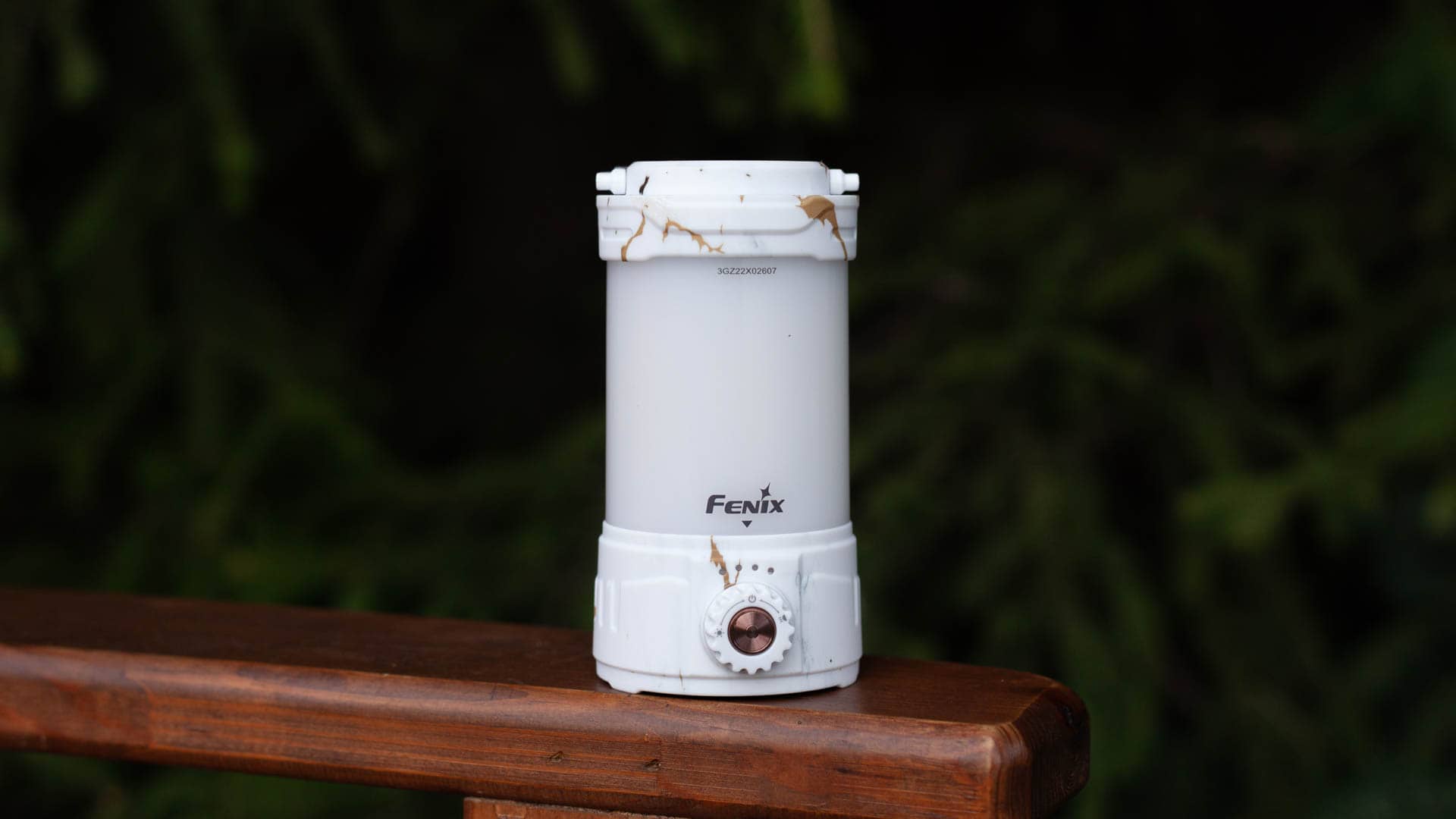
The lantern has a barrel-like design. It’s immediately clear that this is a premium, branded product - a trait consistent across the entire Fenix CL series, most of which I have had the chance to use myself. The casing is robust, the molding is flawless, and there is no flex or creaking whatsoever. I opted for the “White Marble” version, though it is also available in “Gray Camo” and “Olive.”
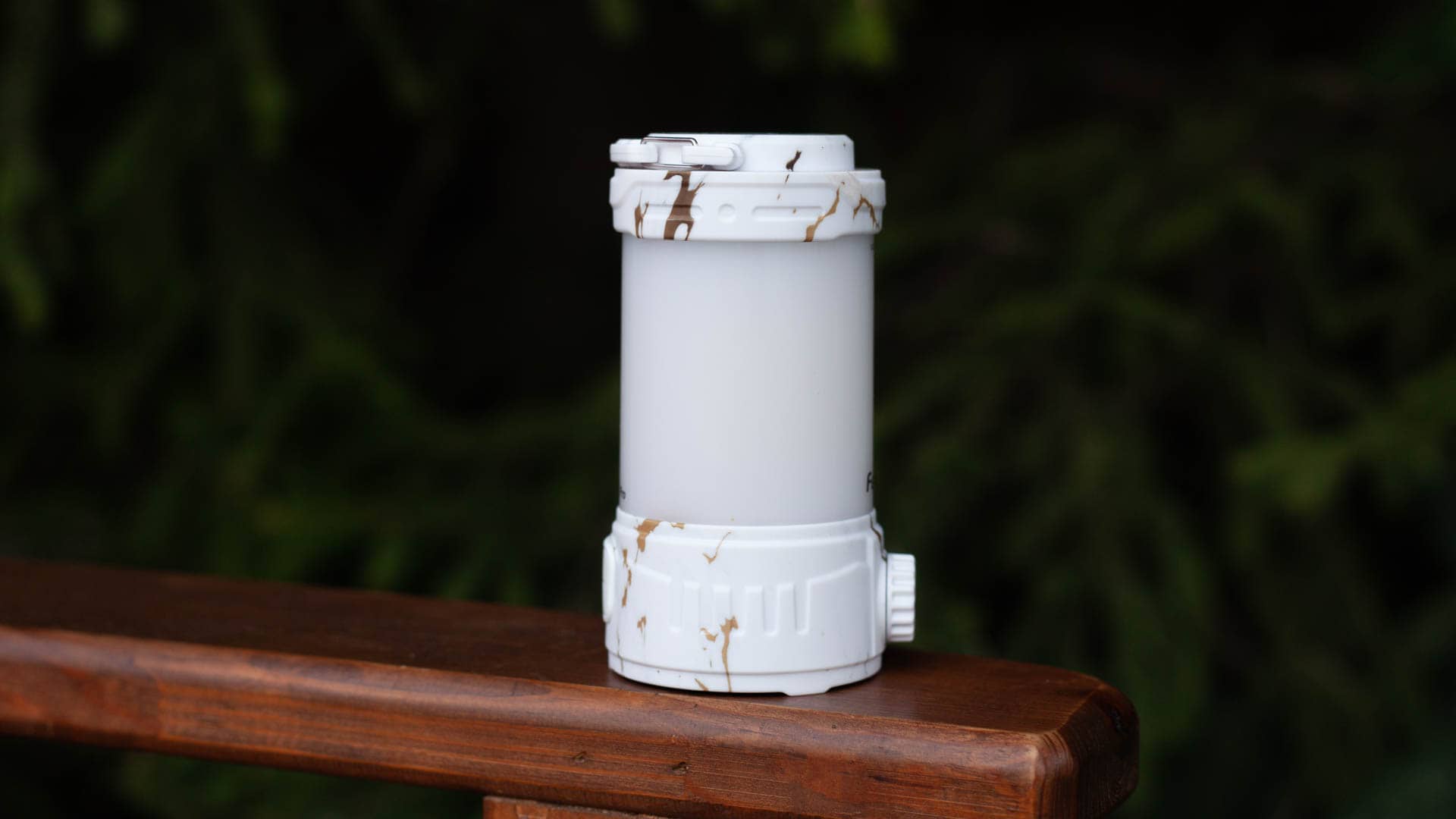
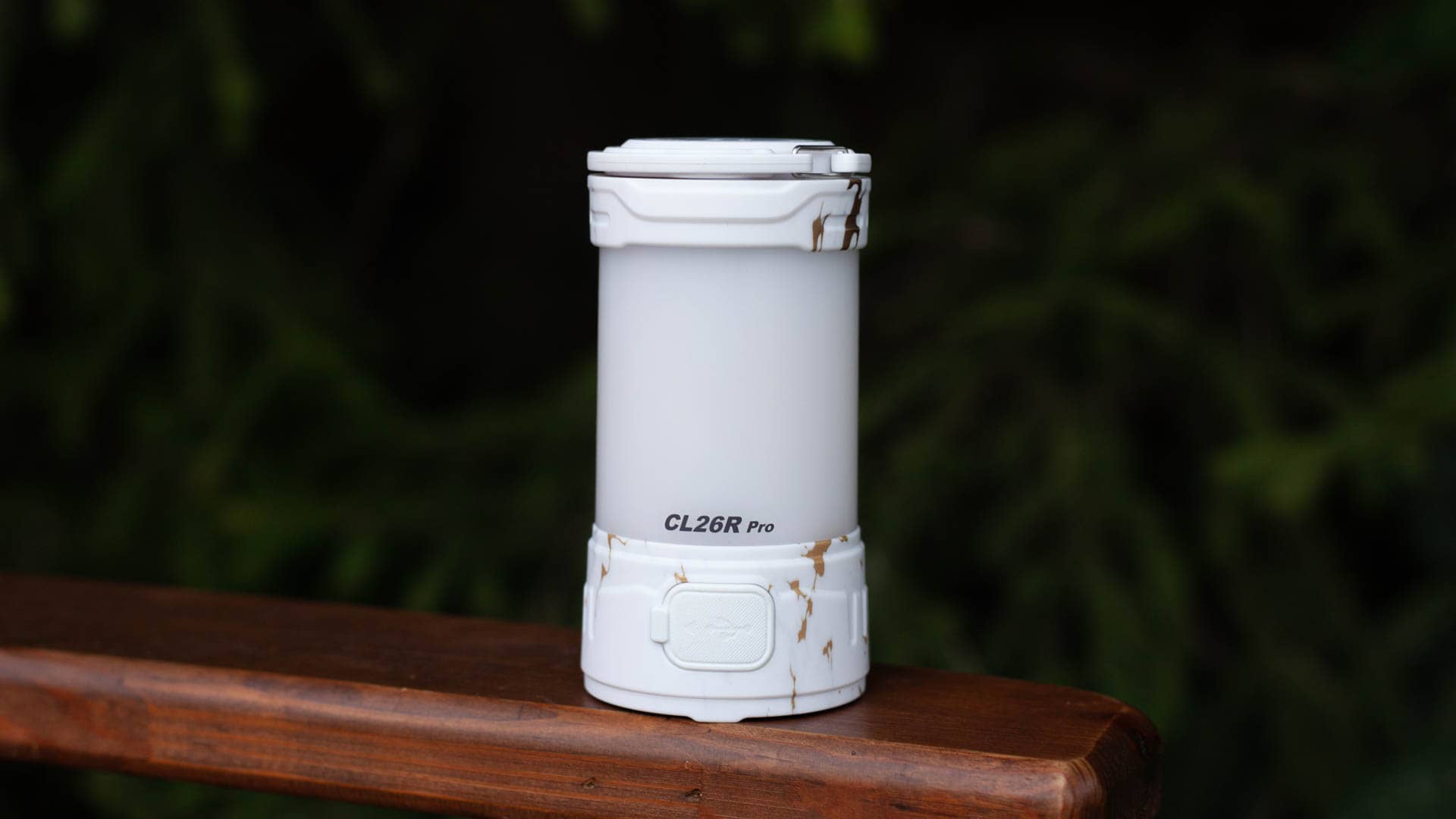

It’s worth clarifying the differences compared to the non-PRO version; they are quite significant. I’ve handled simple CL25R too, but I got rid of it quickly because it didn’t impress me at all.
- Powered by a 21700 battery instead of an 18650
- Maximum brightness of 650 lumens instead of 400
- USB-C charging port instead of micro-USB
- Includes a power bank function
- Controlled by a toggle switch with an integrated button, rather than just a single button
- Lacks a tripod mount
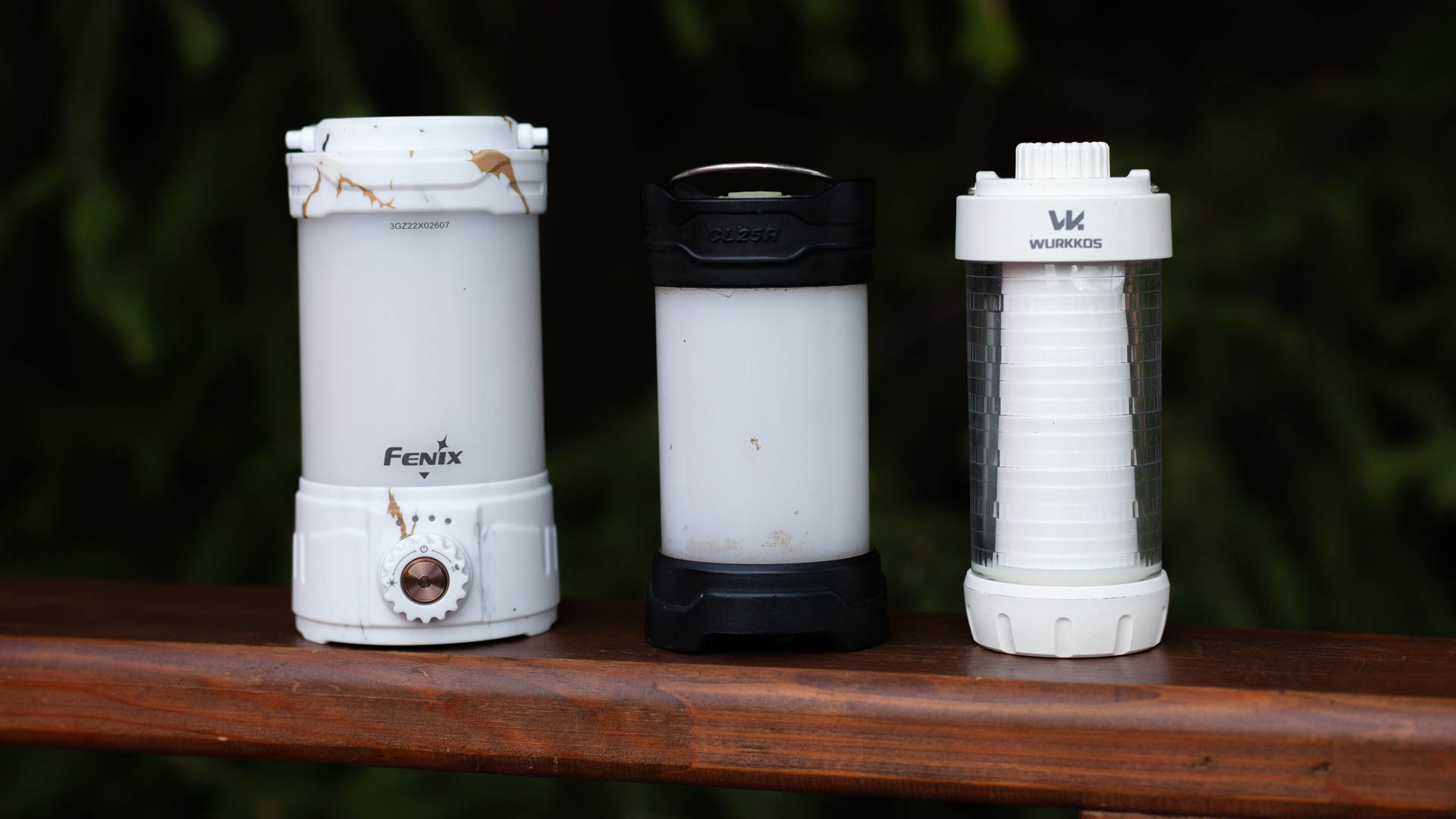
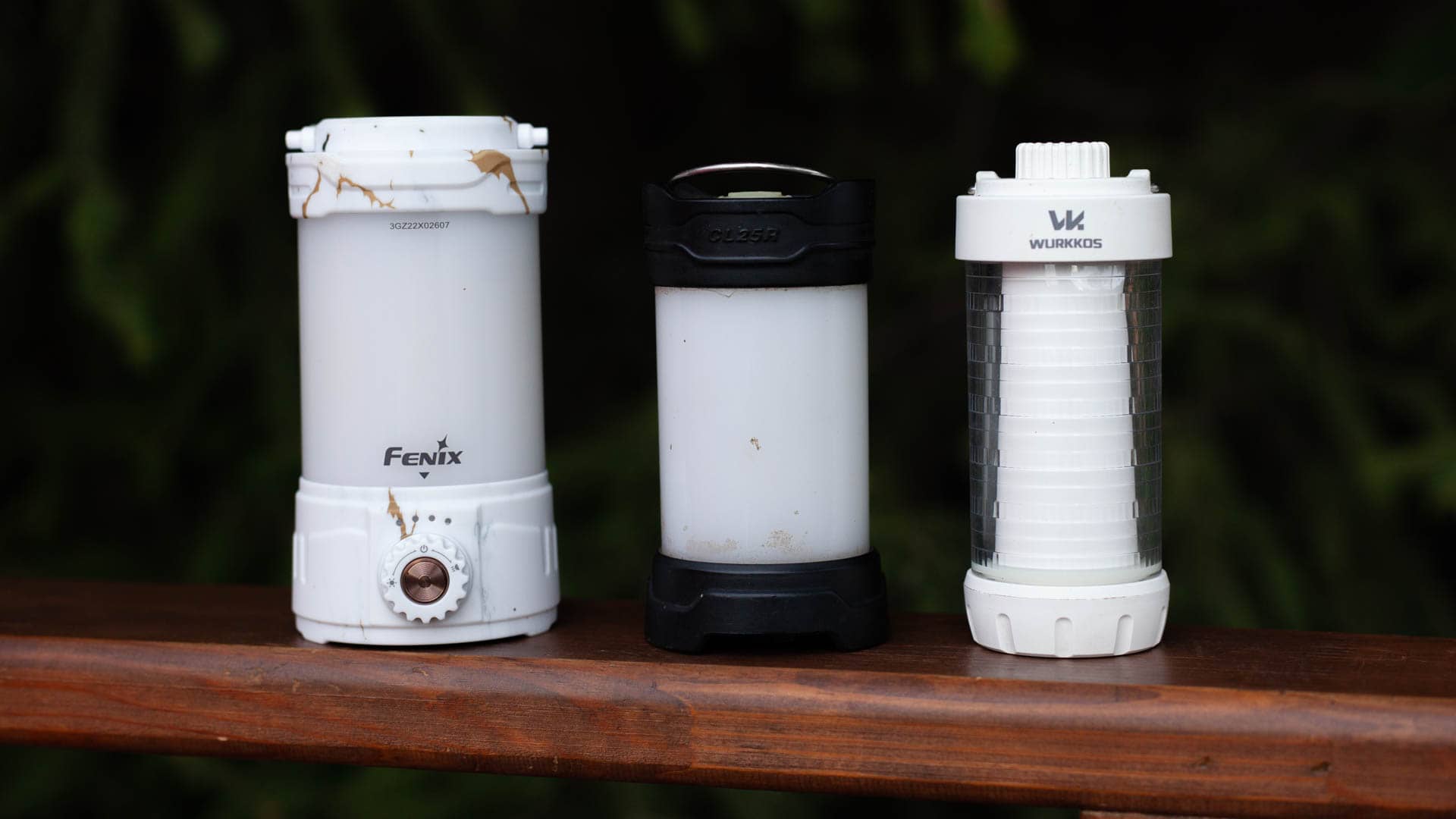
CL26R PRO definitely looks more interesting than Fenix CL25R, my very first branded lantern shown in the photo, which, believe it or not, is already a dozen years old! In terms of tactile feel, both give the impression of being virtually indestructible unlike Wurkkos CL01, whose diffuser feels thinner (though perhaps that’s just because it’s transparent). Speaking of the matte-white diffuser: the transparent plastic on the CL01 minimizes light loss, while the surface is covered in numerous indentations to hide the unappealing internal components and the battery compartment housing.
However, when it comes to impact resistance, CL26R PRO has a potential weak point compared to CL25R: the protruding toggle switch. Fenix CL25R, for what it’s worth, has been dropped a lot of time over the years and has remained completely unscathed. I can’t say the same for the CL26R as there simply isn’t enough data yet.
As for size, my impressions differ. The Wurkkos CL01 is the same size as the CL25R, yet it runs on a 21700 battery. Fenix CL26R Pro also uses that same battery type, but it is significantly larger. I really hope that this difference in size translates into a difference in the ability to sustain higher output modes as is usually the case! To be fair, the difference is literally just a centimeter, and in reality, it might only matter when you’re out hiking, where every cubic centimeter and every gram of gear you’re carrying on your back counts.
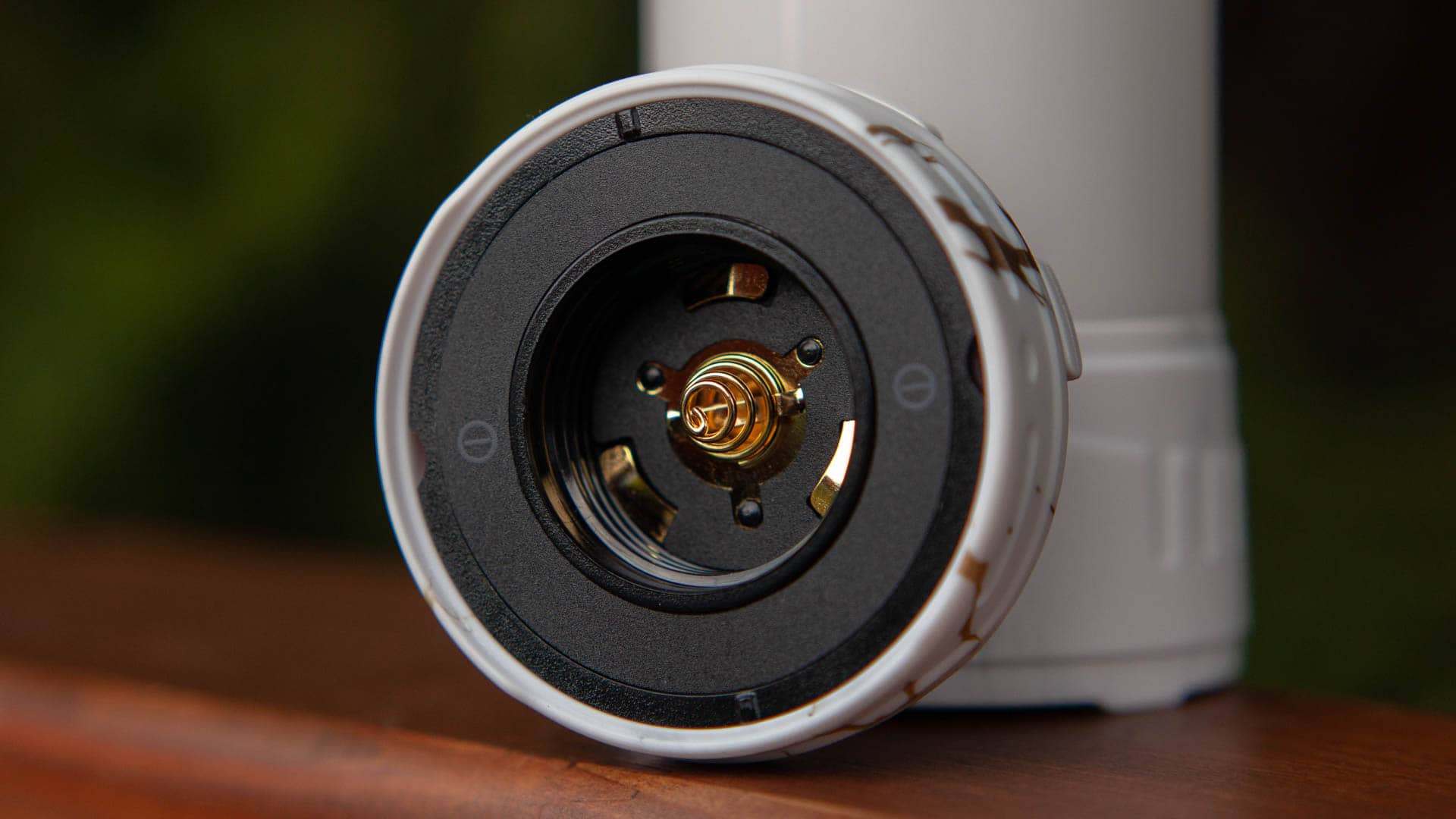
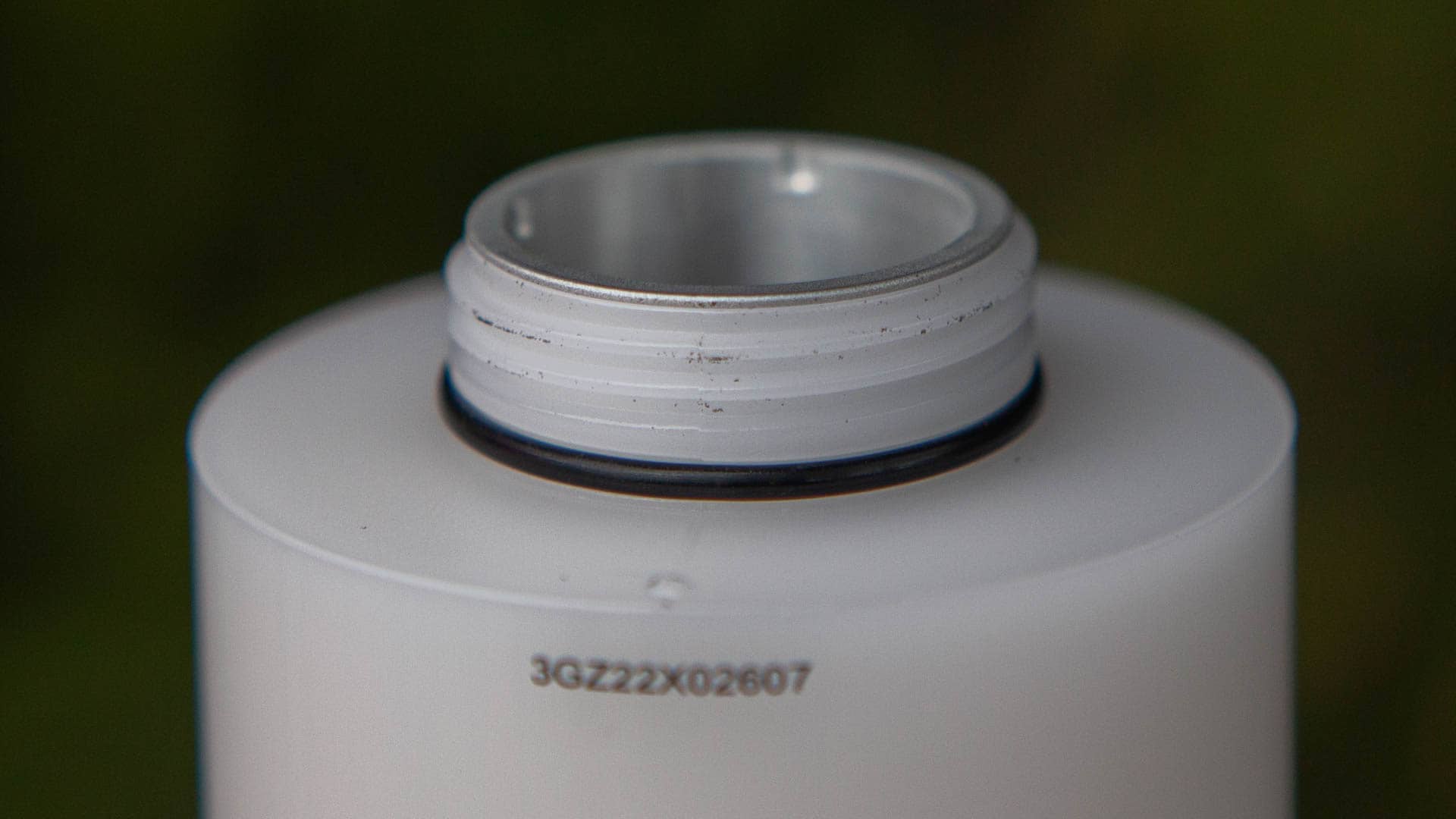
I have always disliked changing the depleted battery in CL25R as its battery compartment cap is just too small and stiff. Things are much, much more convenient with CL26R PRO. The entire plastic top section of the lantern unscrews. The threading is plastic and flat, while the metal part of the battery housing protrudes only slightly. The cap screws on and off smoothly and effortlessly.
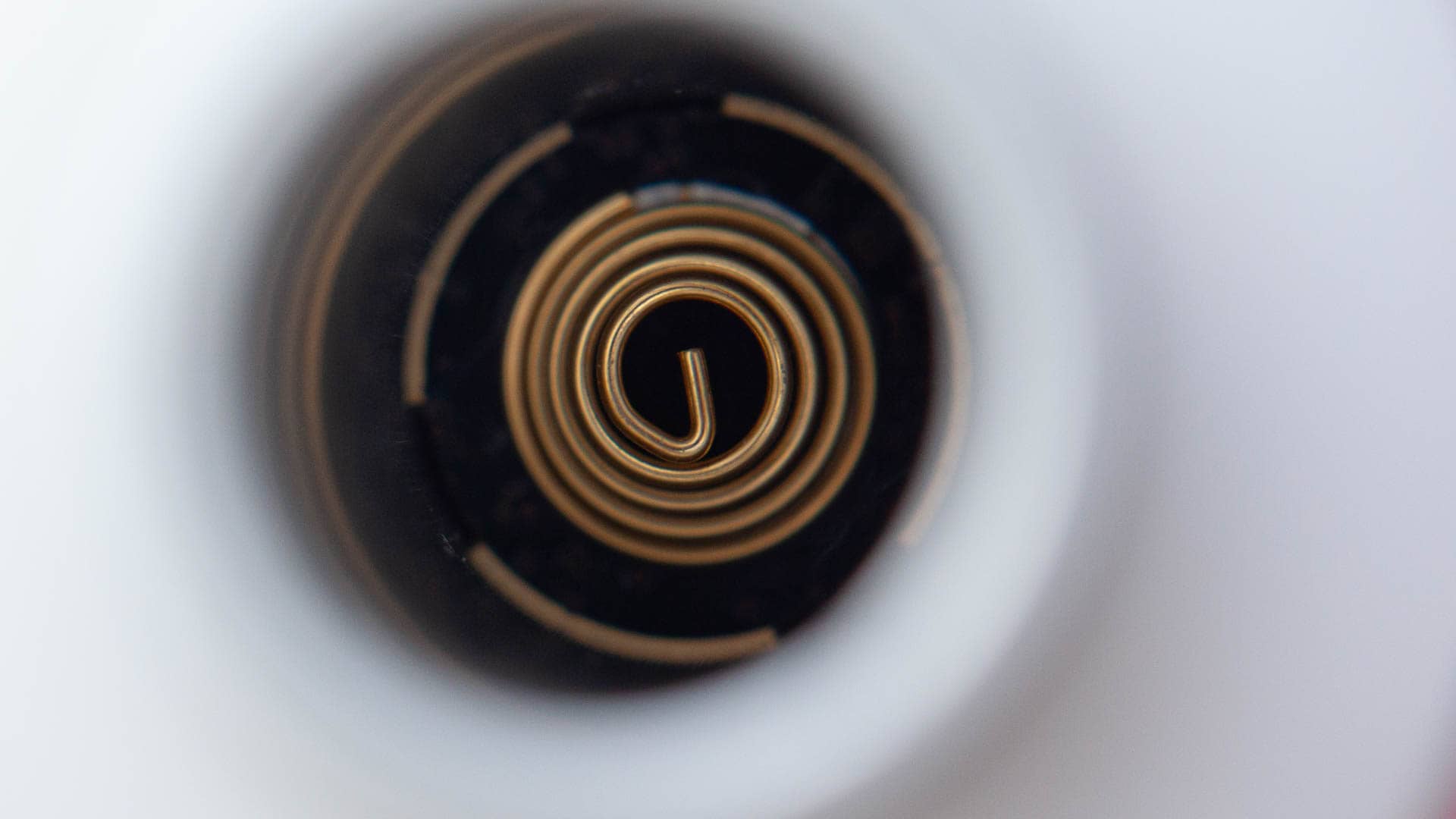
There is a spring inside the cap and another at the bottom of the compartment. It’s great that Fenix designed it to accommodate flat-top batteries. Incidentally, there is no electronic button lockout; however, if you’re worried about the lantern accidentally turning on while in your backpack, you can simply unscrew the top section slightly to break the electrical contact.
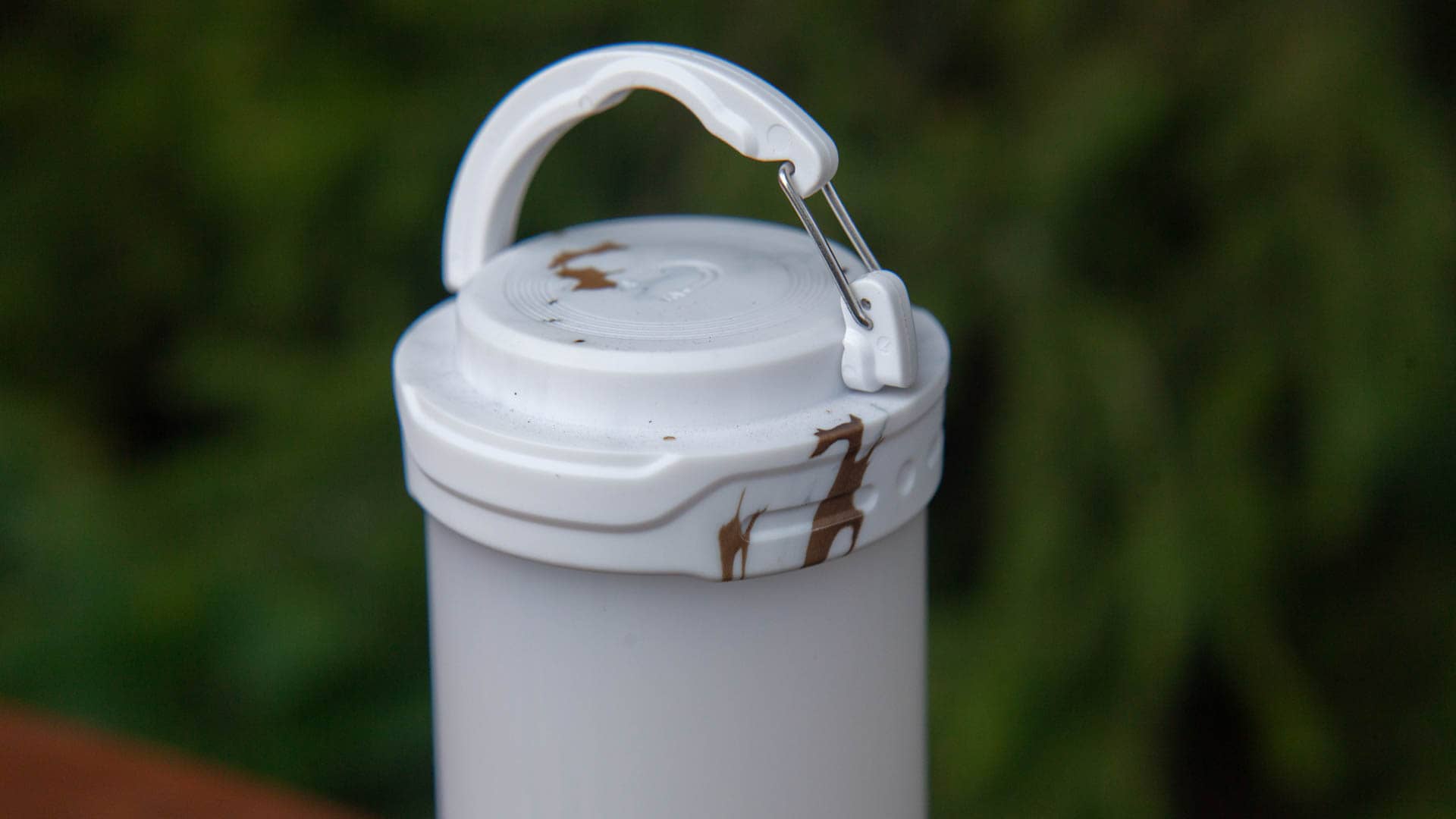
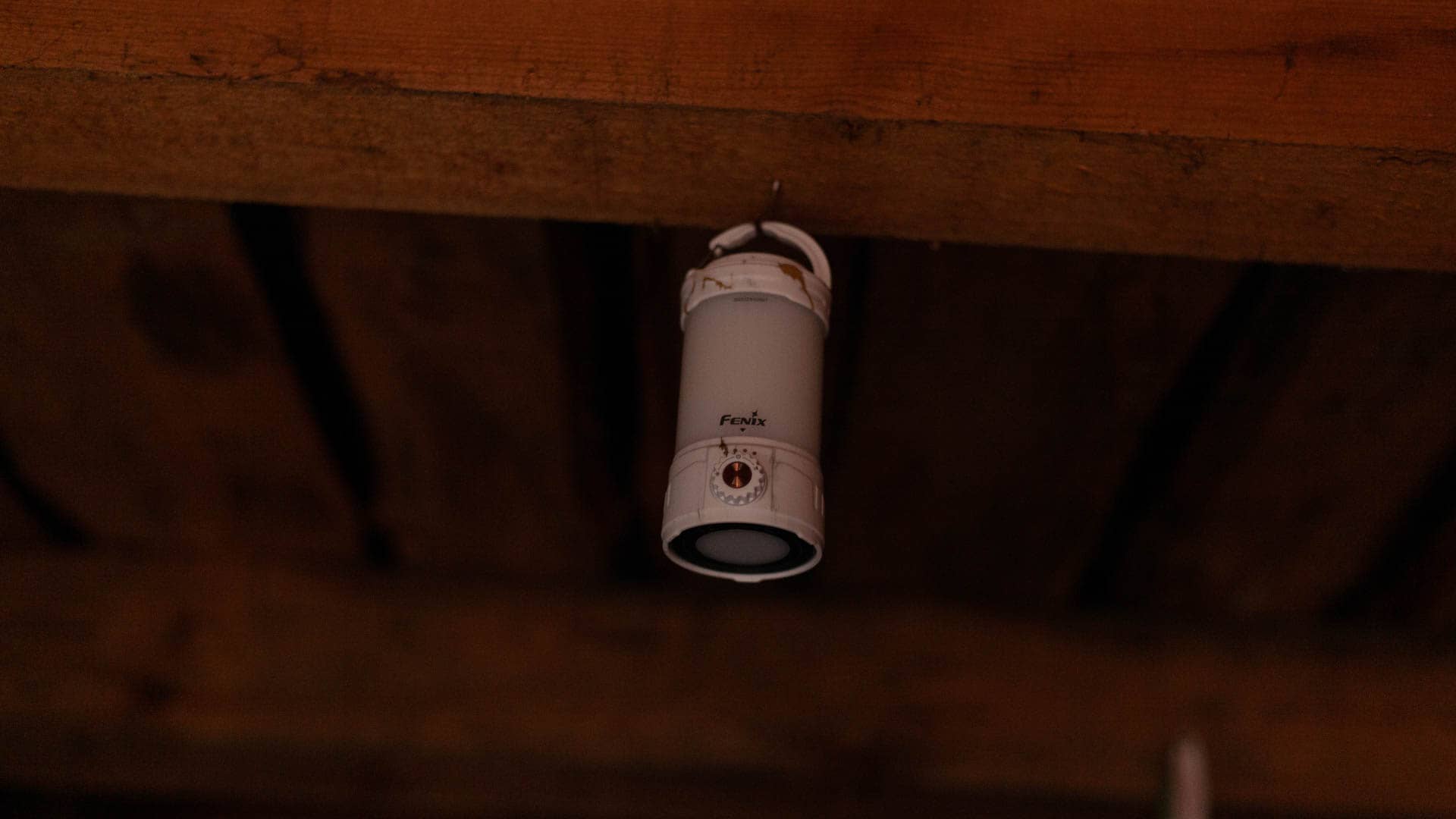
While CL25R had its magnet and hanging bail on opposite sides, both are now integrated into the aforementioned cap. The attachment mechanism has also been improved. Previously, it was just a simple metal loop requiring a separate carabiner to hang the lantern from a line, but now it features a plastic mount with a built-in, carabiner-style opening, which I find to be an exceptionally convenient design choice. That said, some might see this as a drawback, as an all-metal attachment point is inherently more robust though it’s unlikely anyone would try to hang their own body weight from the lantern or subject it to such extreme force.
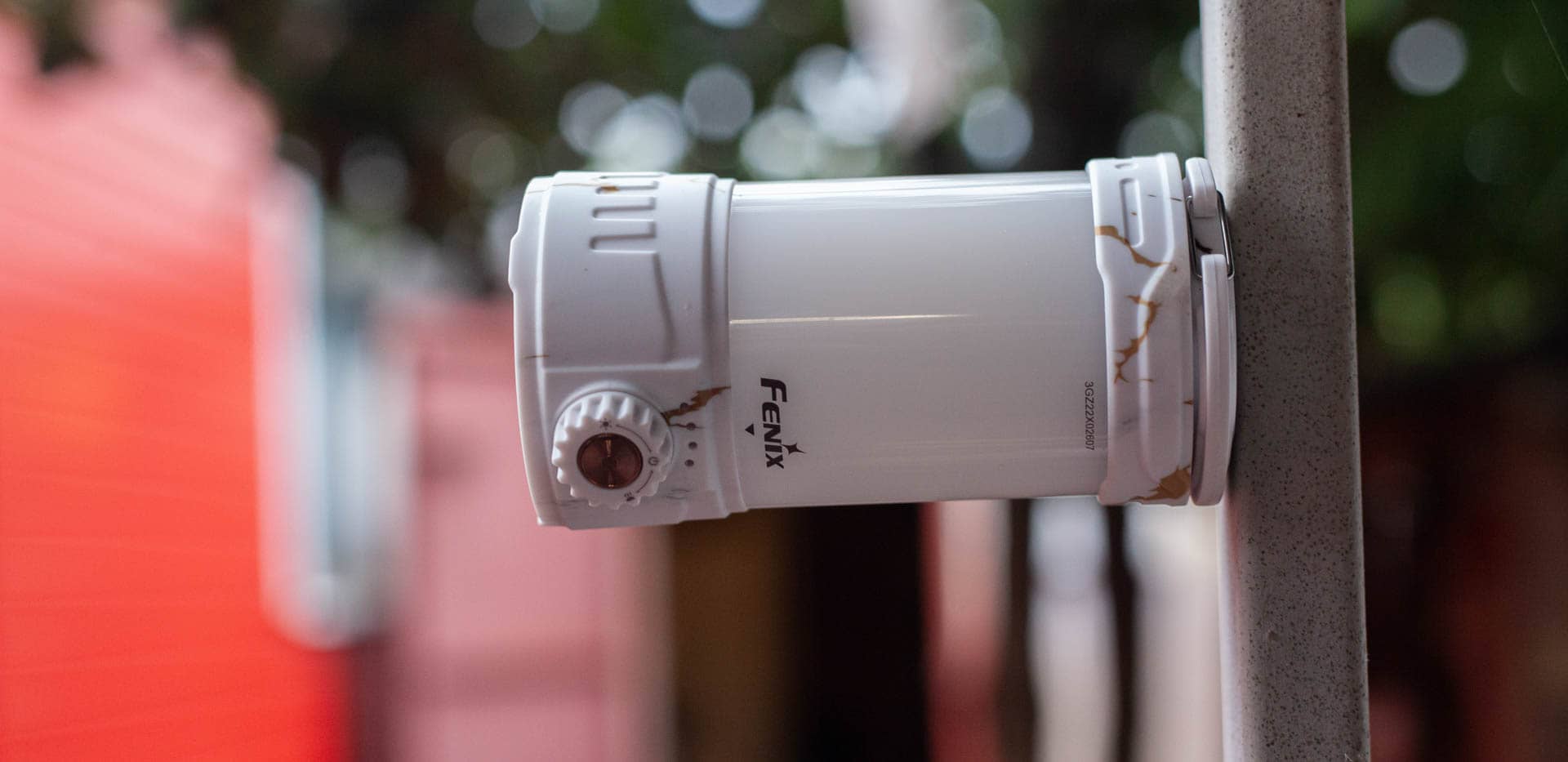
The magnet is reliable and holds the lantern securely in a horizontal position. One might wonder: why would anyone ever need to mount a camping lantern horizontally? Well, for a standard lantern, there’s really no reason. The Fenix CL26R PRO, however, can cast light sideways from just one side, or downward using an LED located on its base. Consequently, it can be attached horizontally via its magnet, directing light exclusively downward—a feature that can be quite useful in certain situations. The Sofirn LT1S also offers this type of directional lighting, though it lacks a built-in magnet. And, of course, the Fenix can also be attached vertically, in which case it will shine straight down.
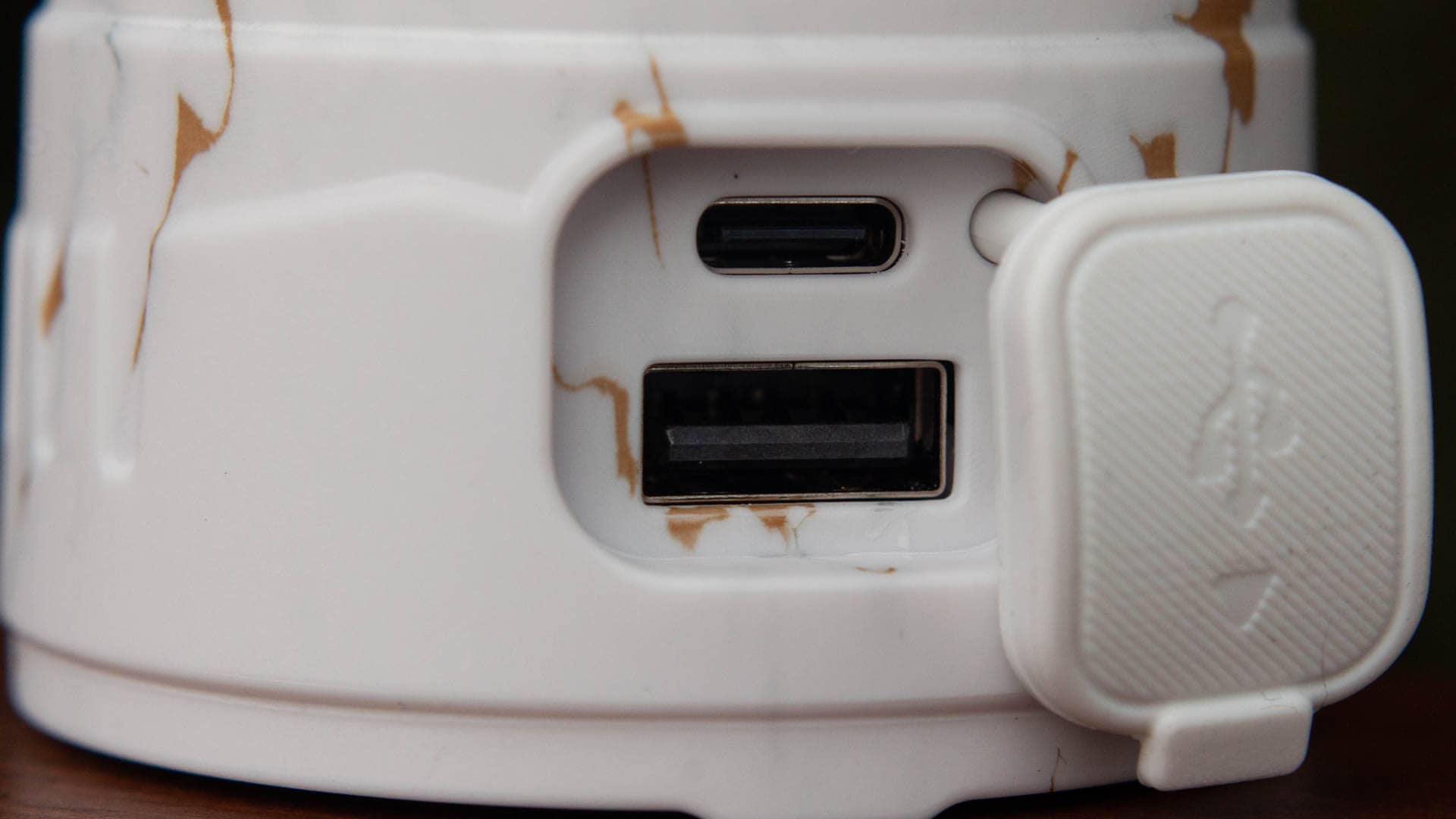
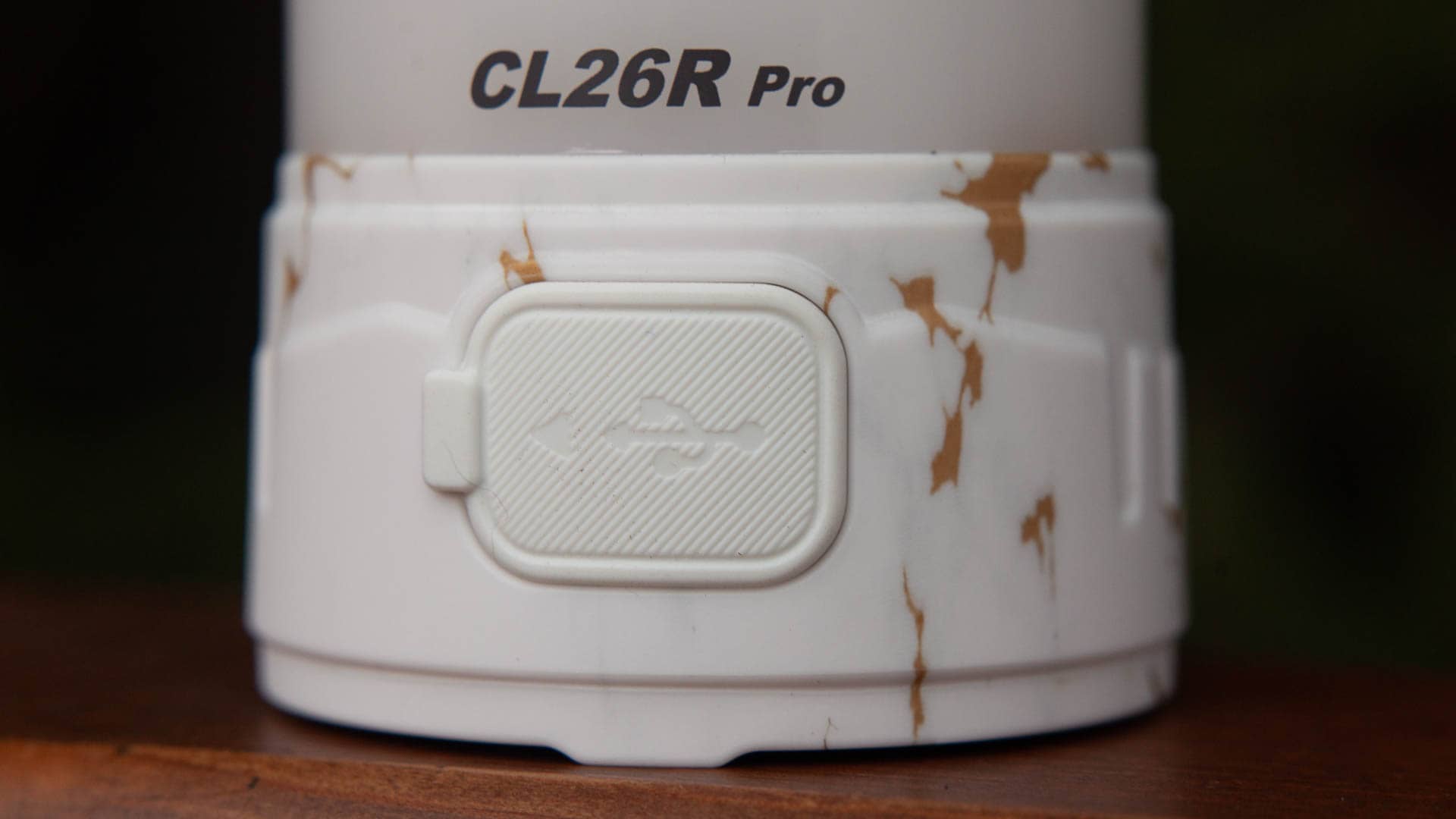
The battery is charged via a USB-C port, which is protected by a silicone cover located on the bottom of the unit. Fenix CL25R has cover ontop, right next to the button. And this is clearly sucks in terms of waterproof. The reason is simple: silicone charging port covers have a tendency to get lost and that’s what happened with my own CL20R and CL25R.
Naturally, having an exposed charging port at the top is so far from ideal. Placing the port on the side feels less risky, even if the cover were to go missing; besides, both ports feature internal moisture protection. Believe me, I’ve put this to the test, it’s a genuinely excellent feature.
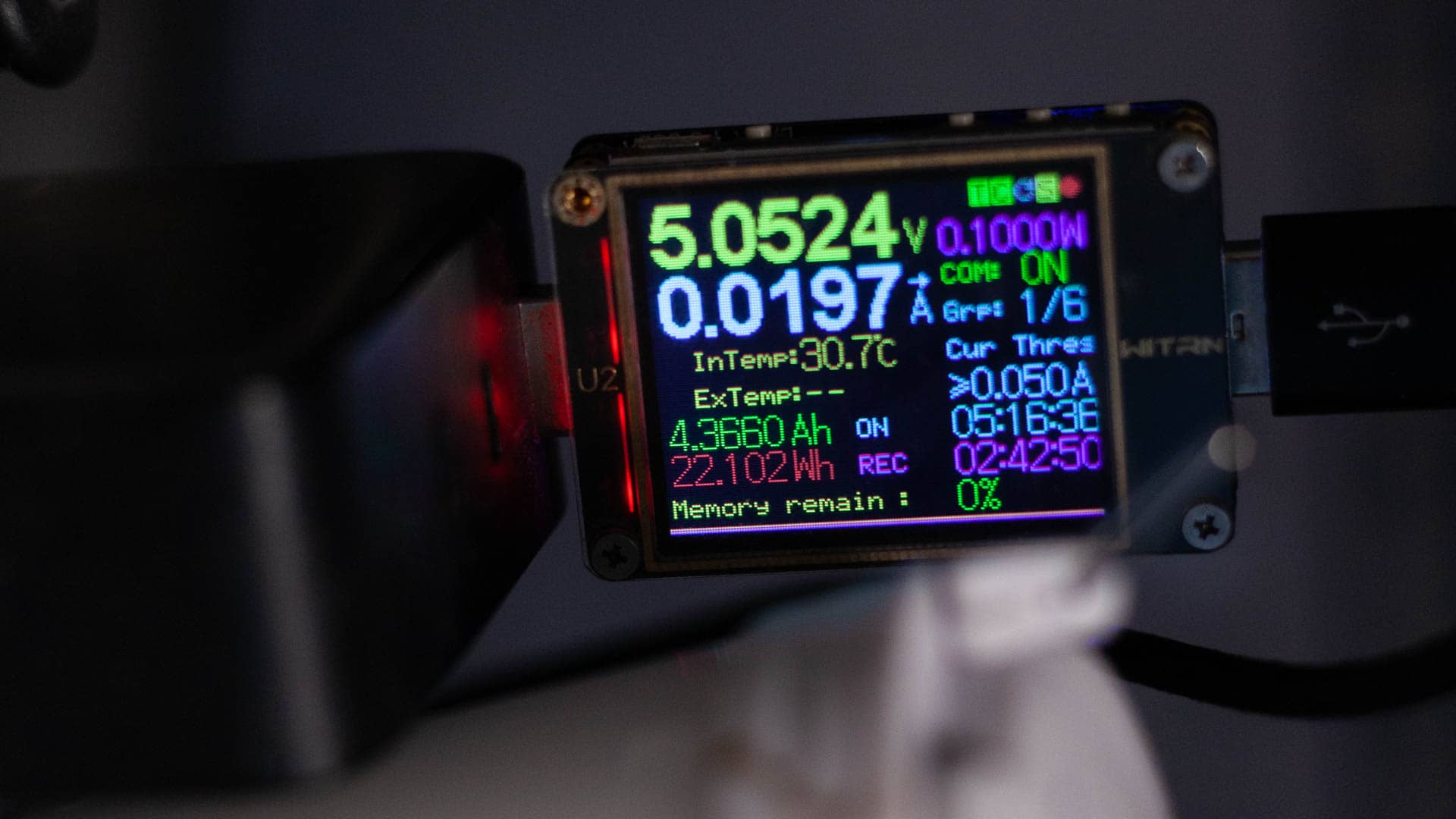
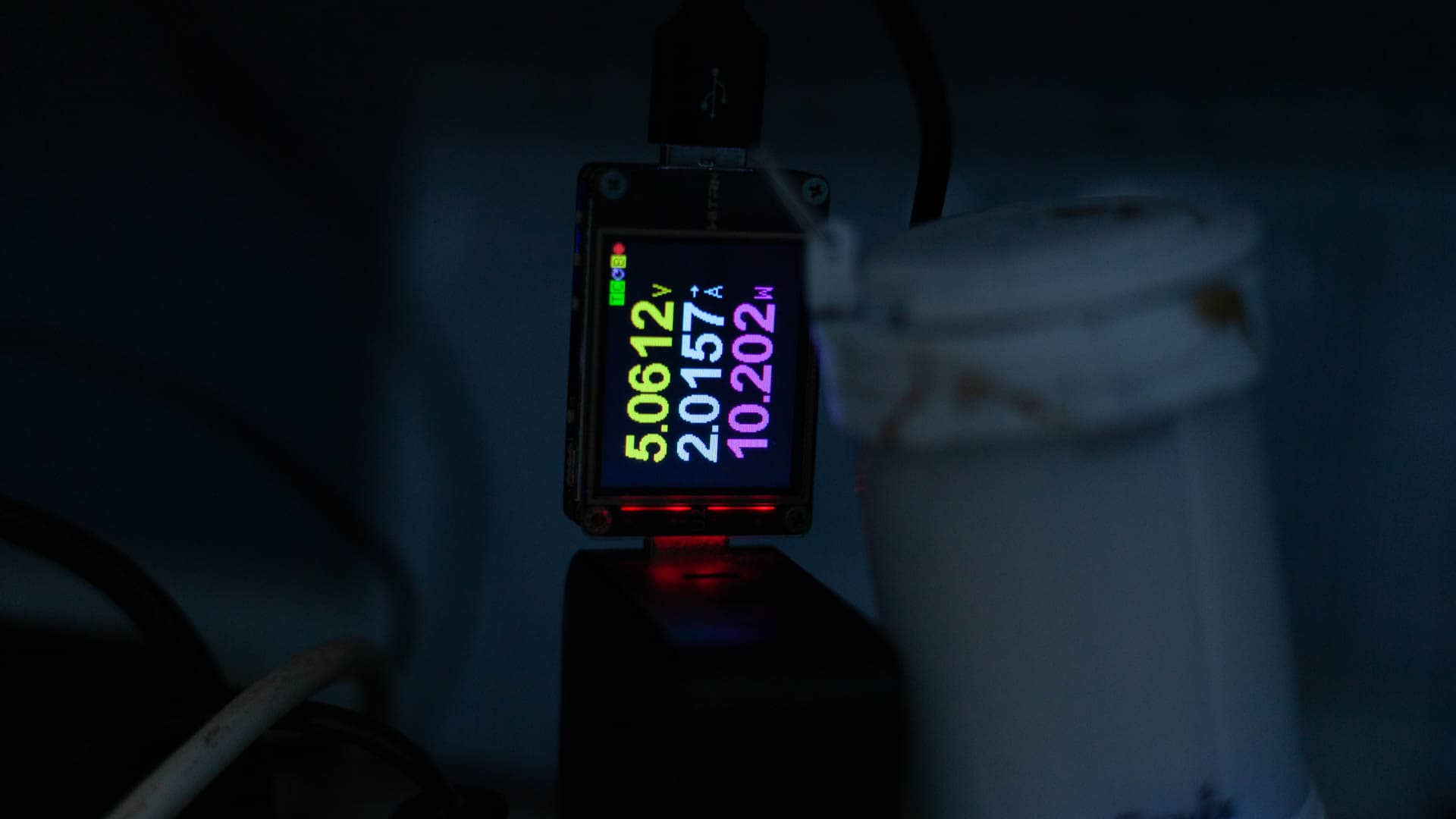
As you might have gathered, the inclusion of two ports means the flashlight can also function as a power bank. One interesting quirk is that you cannot activate this mode without first turning on the light though you can switch the light off afterward, and the power bank function will continue to operate. The included 5000mAh battery takes just under 3 hours to charge fully. The power output in both modes is 10W.
A barrel or a saucer . Which one to choose?
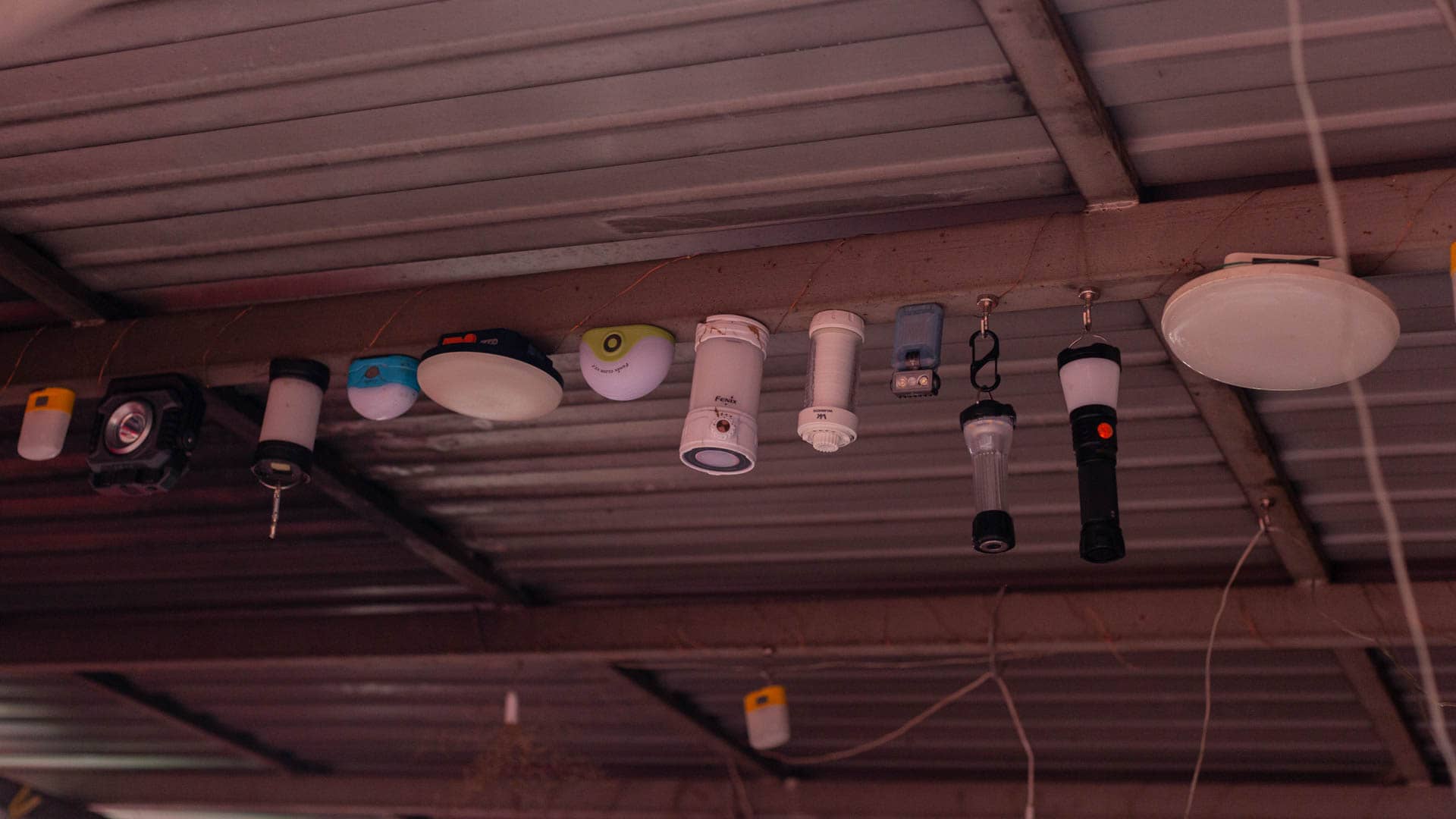
Essentially, camping lanterns come in two main body styles which also dictate how they distribute light: “barrels” and “discs” (you can see both in the photo below). The former are more versatile in terms of placement: they can be set on a table or hung up, whereas the latter can only be hung. However, when it comes to light distribution, I believe “barrels” fall short compared to “discs.” For one thing, when used outdoors, a significant portion of the light emitted sideways is simply lost. (This isn’t an issue indoors or inside a tent, where that light would otherwise illuminate the walls.) . Furthermore, if a “barrel” lantern is hung, the area directly beneath it tends to be poorly lit. This can be partially mitigated by a wider top as seen in the aforementioned LT1S or LT1, but with a “disc” design, the light is directed straight downward, ensuring it doesn’t blind people nearby or go to waste.
Incidentally, the problem of wasted lateral light can be easily solved with a DIY diffuser. For example, I`ve cut the top off a big plastic water jug and lined the inside with aluminum foil. This approach might work well at a summer cottage, or if you’re traveling by car or boat where you have plenty of room to pack both essential and non-essential gear. But it’s definitely impractical for backpacking. The CL26R PRO is designed specifically to address this. It’s the only camping lantern I’m aware of that offers both types of illumination: downward-facing and omnidirectional (360-degree) light. (Note that I’m excluding unconventional, multi-purpose models like the Wurkkos HD02 PRO or TS27.)
So, how did Fenix pull this off? It’s quite simple: they added an LED to the part of the lantern designed to cast light downward. Yeah, flashlight has lost its tripod mount, but let’s be honest, how many people actually use it? That is not a feature for a long backpacking trip, where you’d much rather carry an extra couple of cans of stew or some freeze-dried meals instead of a tripod.
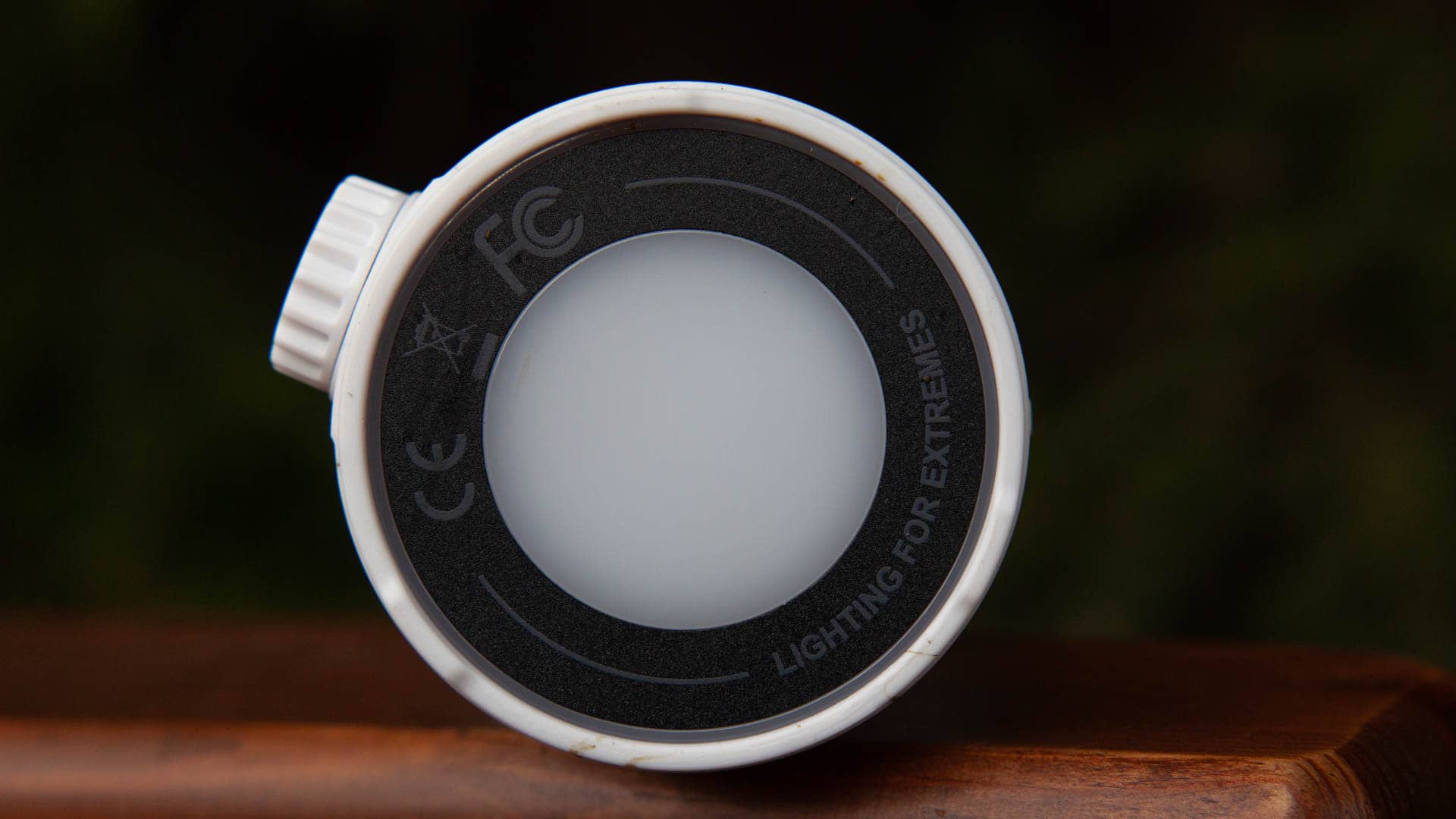
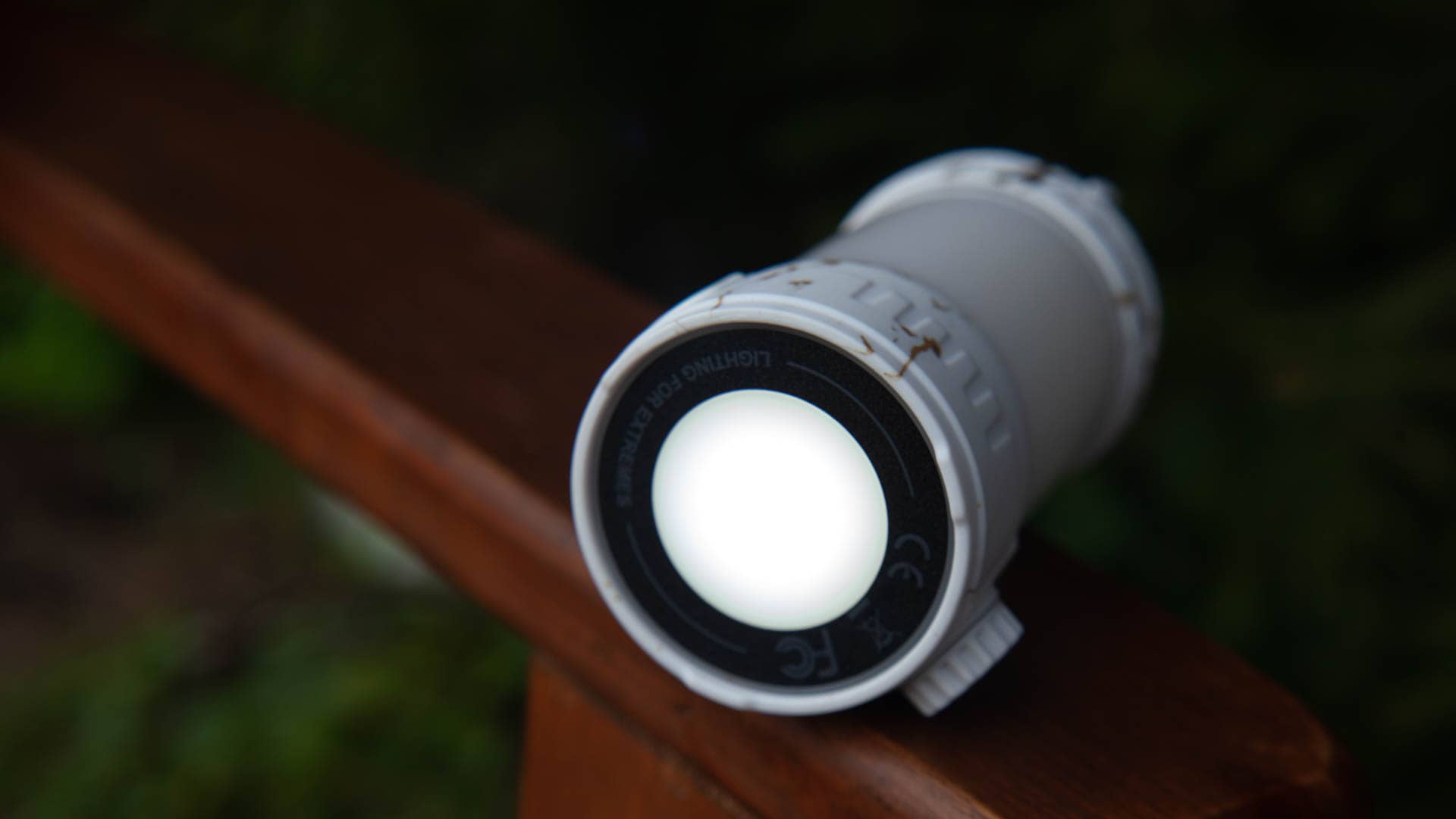
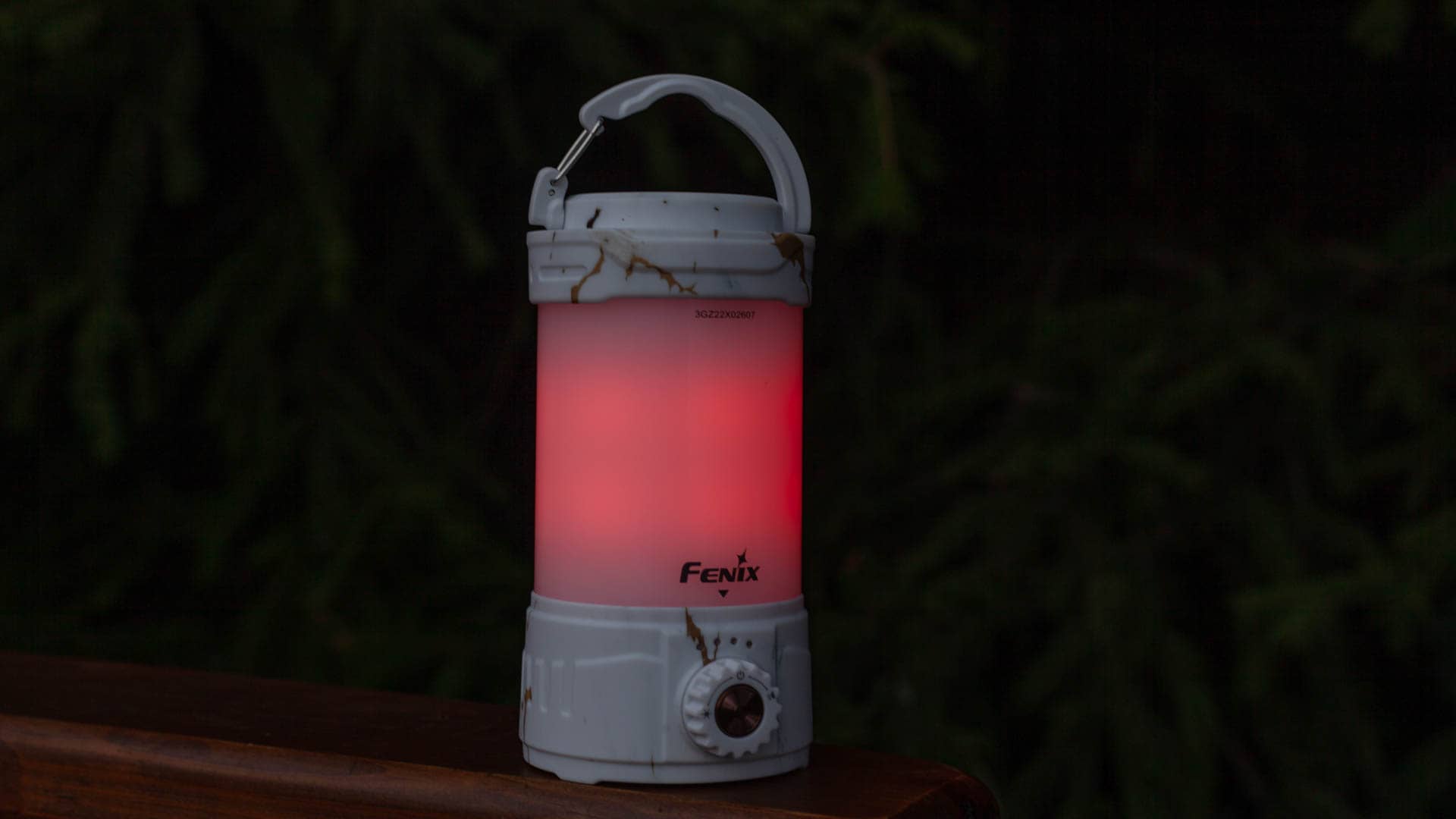
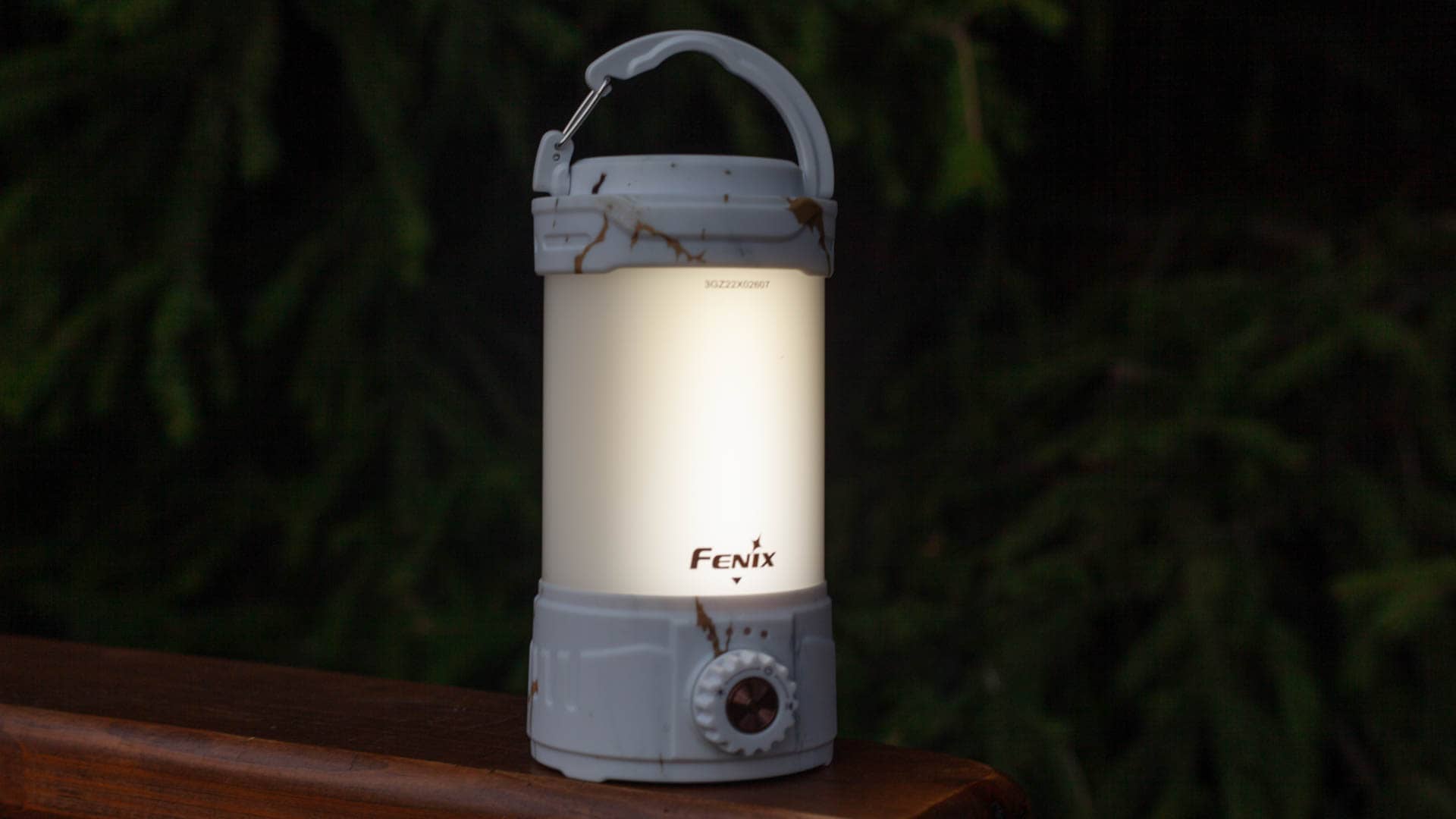
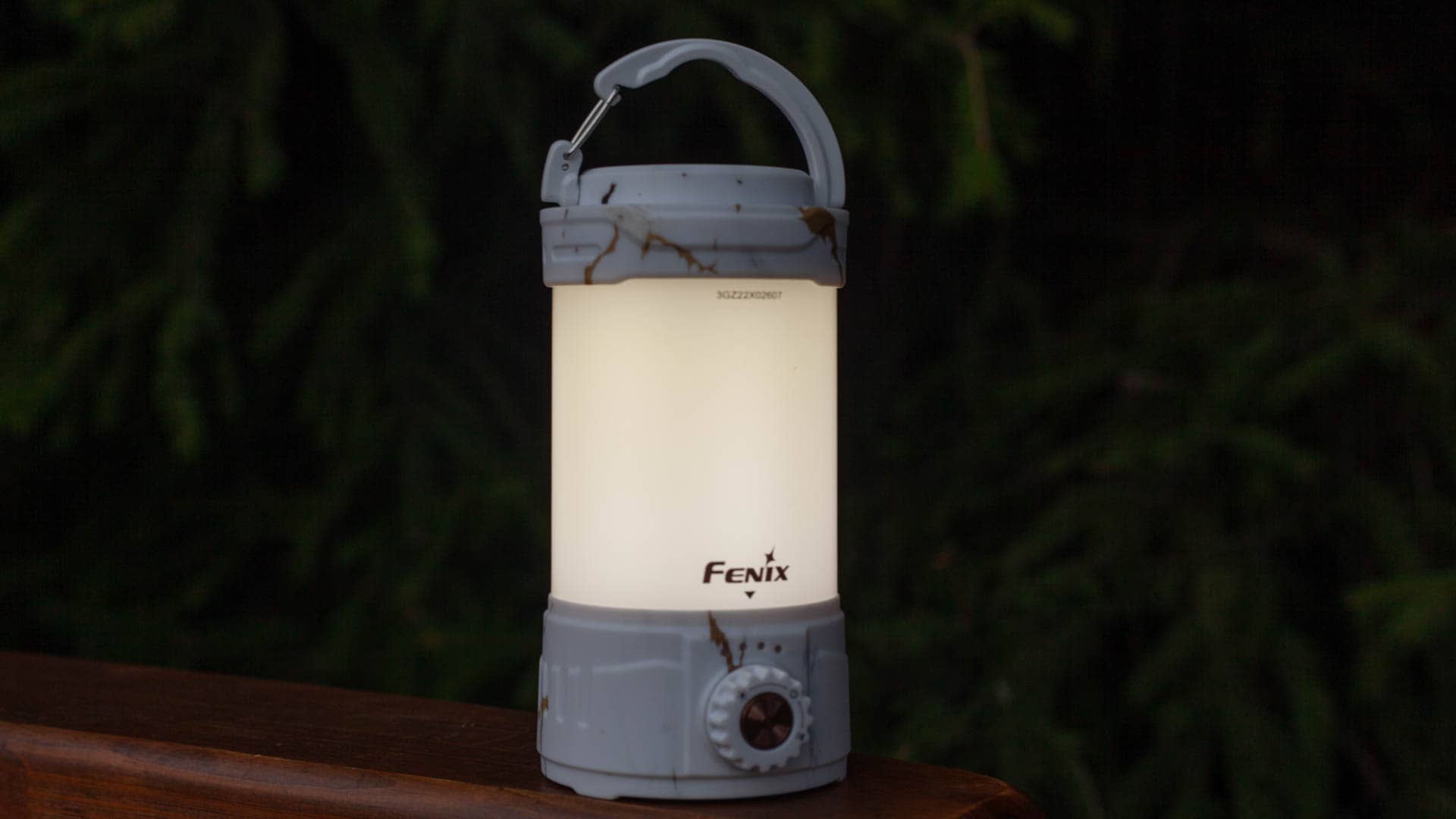
Accordingly, you get 360-degree white and red light, as well as light directed from just one side or from the base of the flashlight. Furthermore, while the device is designed to shine downward when hung up or attached via its magnet, it can also serve as a handheld flashlight in a pinch as it fits quite comfortably in the hand. While it may not offer extreme brightness or throw, it is more than sufficient for illuminating an indoor space or the path beneath your feet.
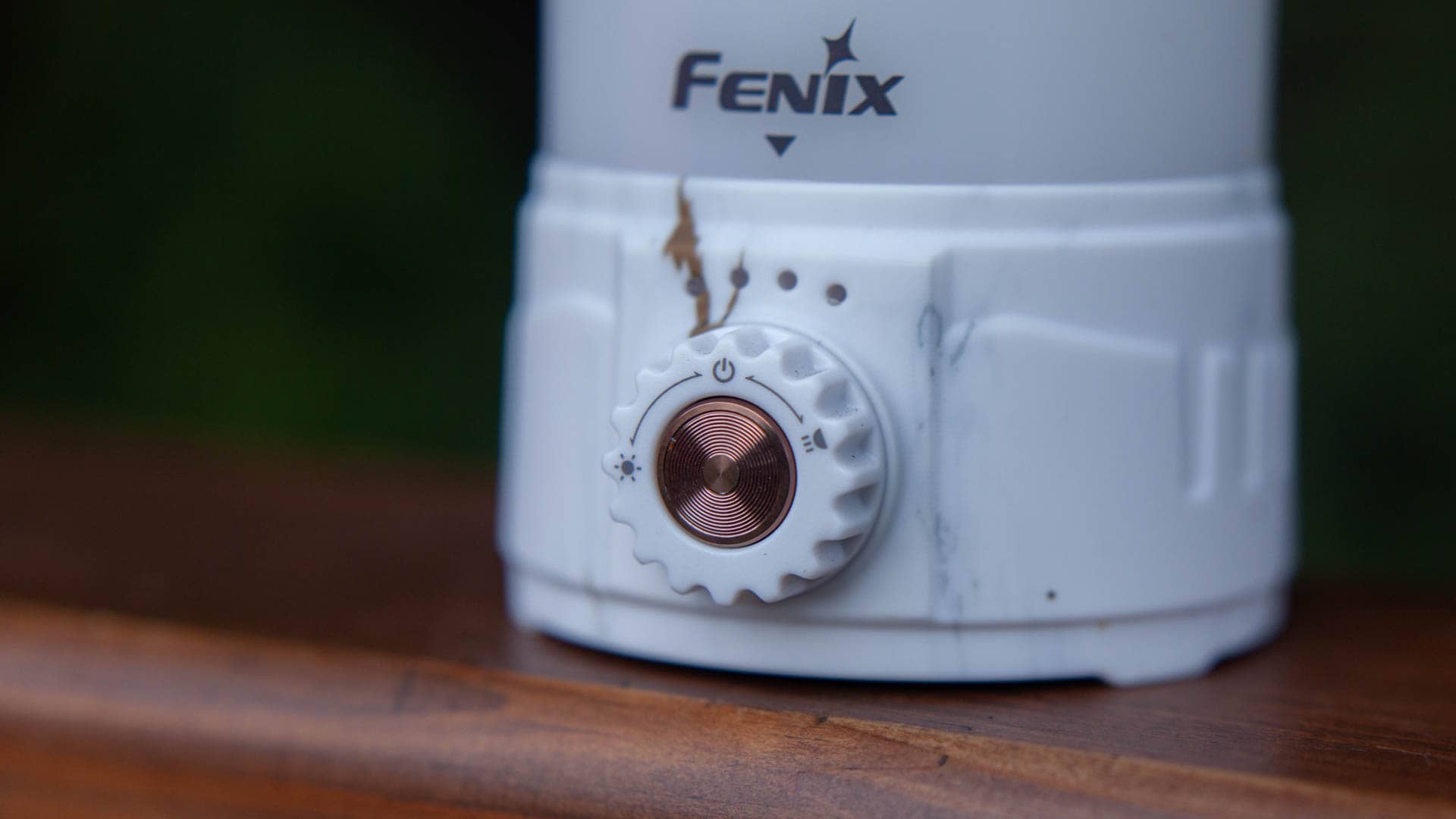
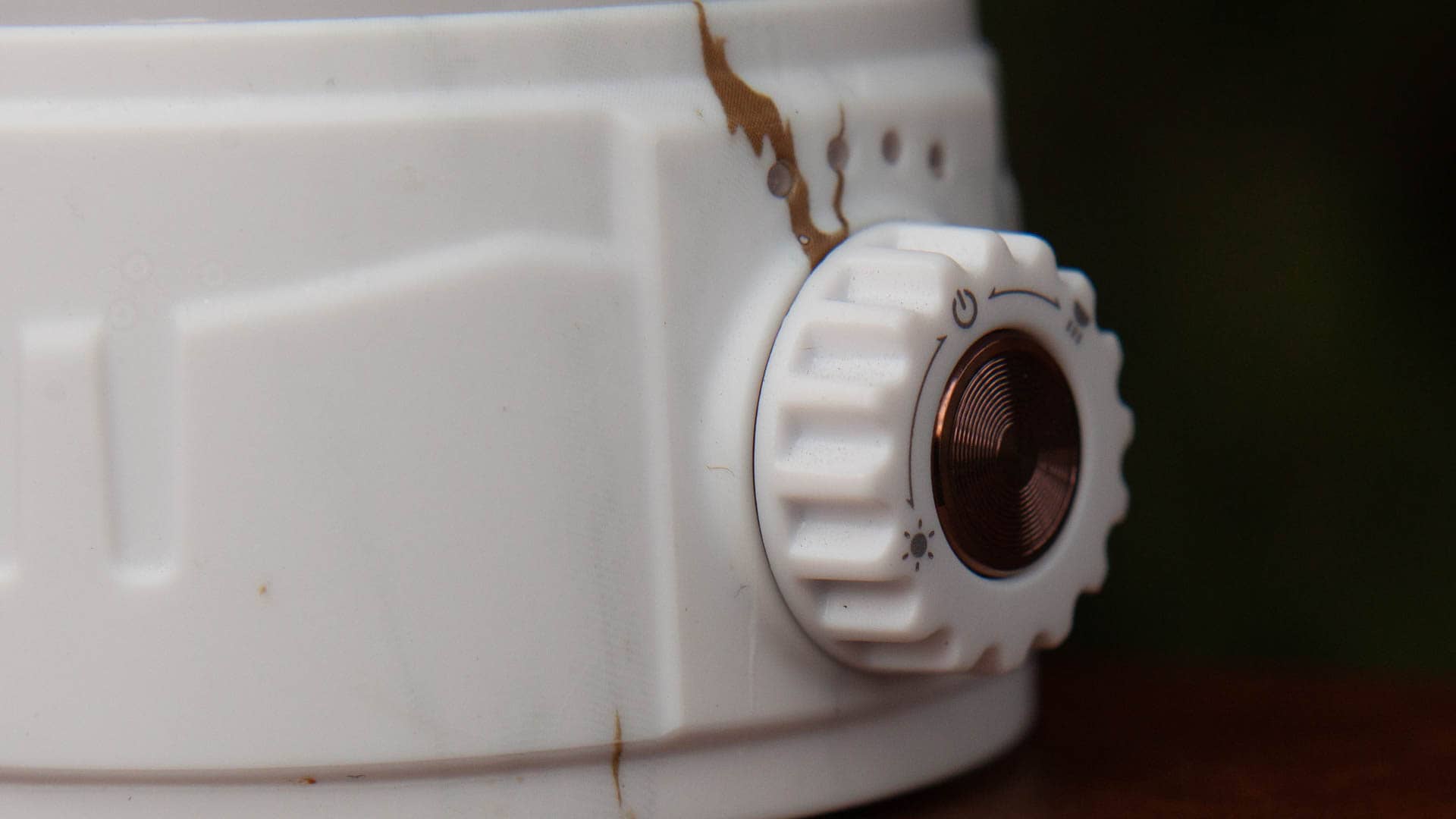
The flashlight is operated using a combination of a toggle switch and a central button, a fairly common design found in many handheld flashlights today. In this specific case, the toggle switch itself also functions as a button that can be pressed. Above it, as you can see, there is a simple four-LED battery level indicator.
UI
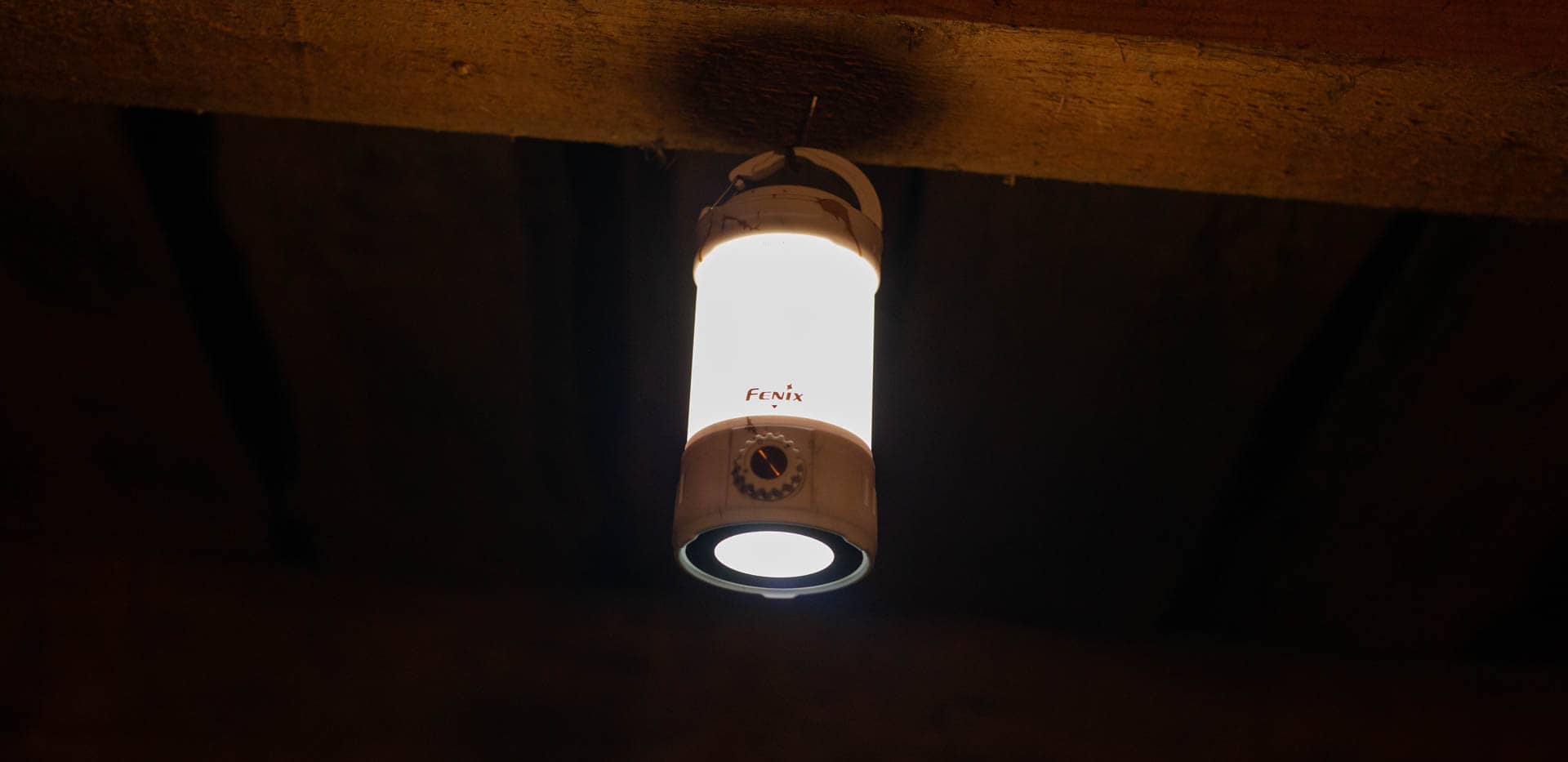
The UI are actually quite good. After all, you wouldn’t want to blind yourself by turning on a flashlight in the middle of the night, only for its mode memory to blast your eyes with high brightness, would you? For me, instant access to the lowest brightness setting is crucial. And this is a feature that Fenix usually can’t provide due to the nature of its typical user interface. But with Fenix CL26R PRO, they’ve managed it, thanks to the inclusion of a toggle switch.
What’s more, you can even activate both light sources (side and bottom) simultaneously! That’s a completely unexpected feature for Fenix. And if the text below makes the controls seem overly complicated, rest assured - they aren’t. They are, in the best sense of the term, very simple.

Fenix CL26R PRO in action
The color temperature is around 4000K for the 360-degree light (good!) and 6000K (!) for the downward light (bad!). I honestly cannot understand why Fenix decided that cool-toned light is what’s needed for camping. And if that’s what they believe, why didn’t they make the 360-degree light cool-toned as well? As it stands, when you turn both lights on simultaneously, the contrast in color temperature is sooo ugly; the downward-facing light looks deathly cold compared to the 360-degree light.
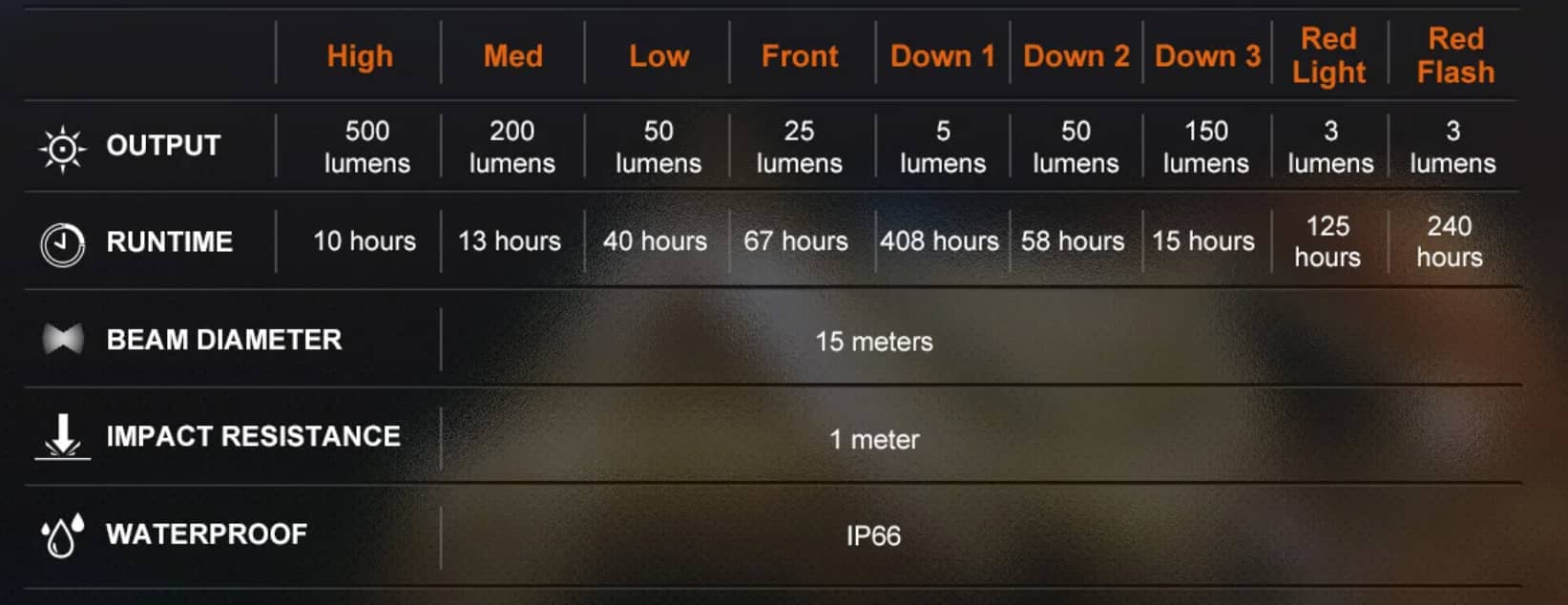
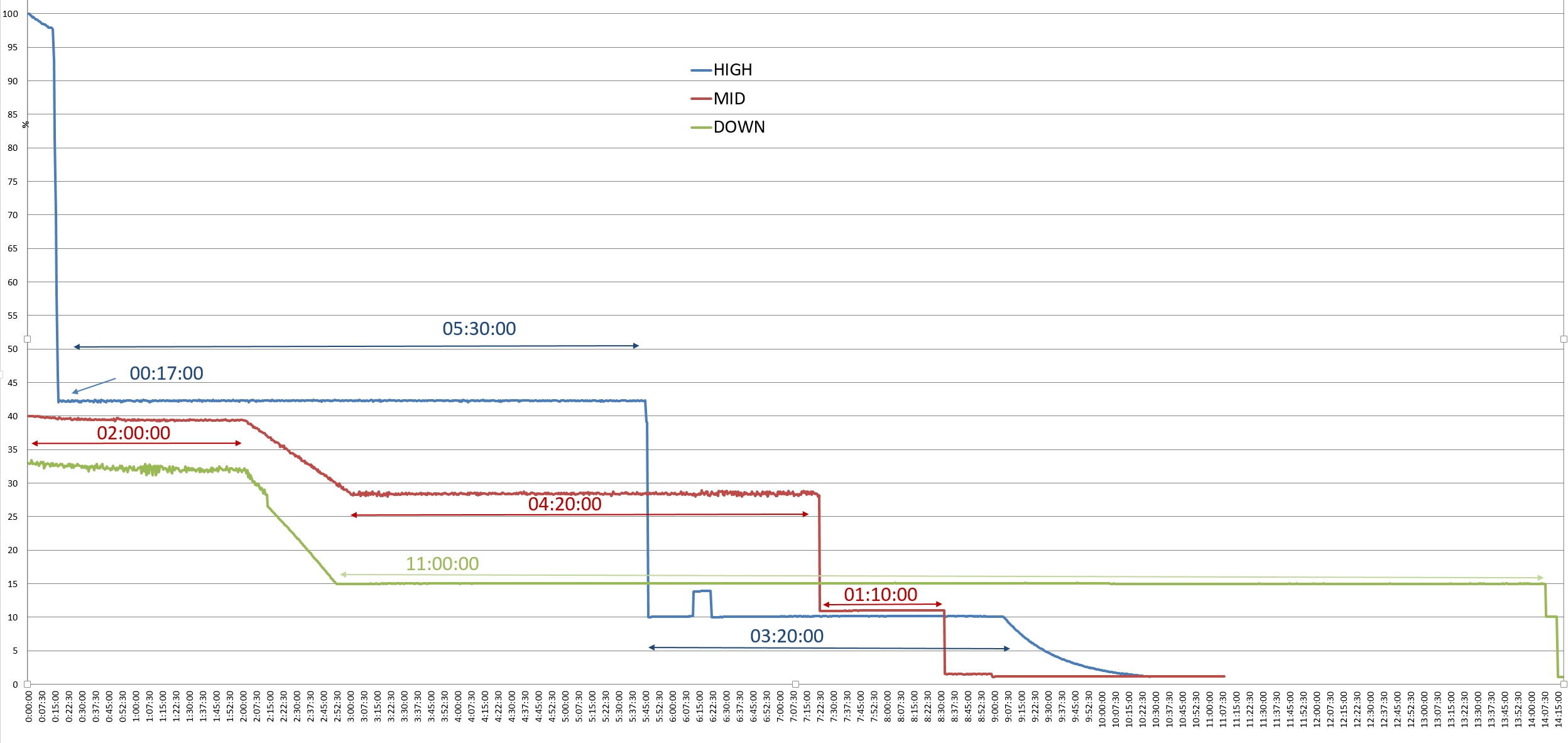
It would be naive to expect a sustained 500 lumens from a plastic housing like this. Still, the light manages to hold this output for a decent amount of time before dropping to a more predictable ~200 lumens. Well, the Wurkkos CL01 also maintains roughly this same level of brightness.
It’s a welcome change that Fenix has finally moved away from “stepped” regulation, a feature that drew significant criticism in the past (i bet that lot of old-time BLFers remember it) and now offers full, constant regulation. Wait, though, what’s going on with the runtime at MID brightness? The light doesn’t actually hold that level; it drops the brightness after two hours! The graph line for this looks suspiciously similar to the one for the downward-facing light, which suggests this is likely due to a timed stepdown rather than thermal regulation or drop of voltage, so this is feature for which I can find no logical explanation.
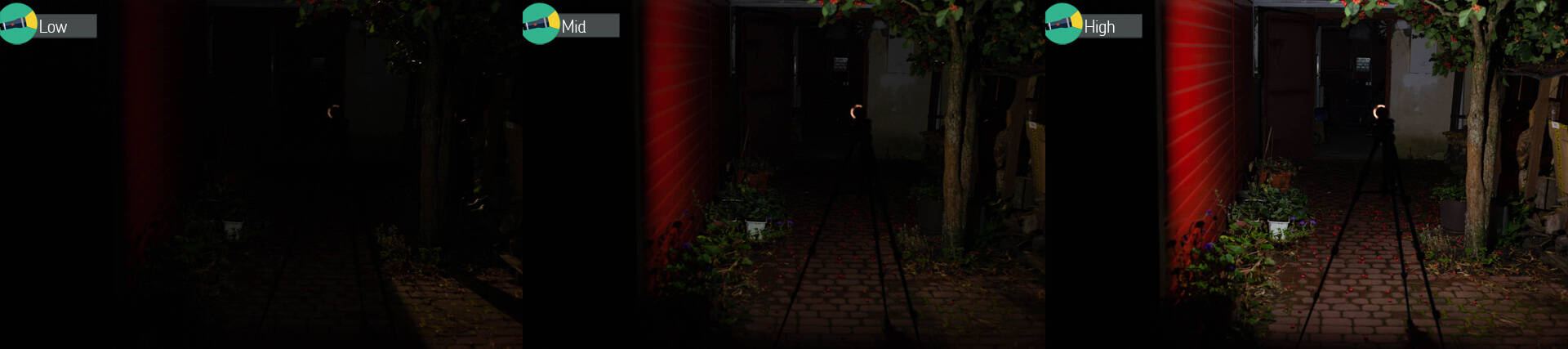
So, does this mean that while the light can maintain 200 lumens after stepping down from “High,” it fails to do so from MID mode? Yes. While you can certainly bump the brightness back up after such a drop, the logic behind this both for the “Medium” setting and the downward-facing light completely escapes me. To Fenix’s credit, at least they provide a runtime graph, even if it is presented in a somewhat cunning, marketing-oriented logarithmic format. Anyway, let’s take a look at how the lantern performs. I’ll start with the downward-facing light. As I mentioned, it can serve as a makeshift handheld flashlight if needed; it’s plenty bright enough to illuminate the ground at your feet.
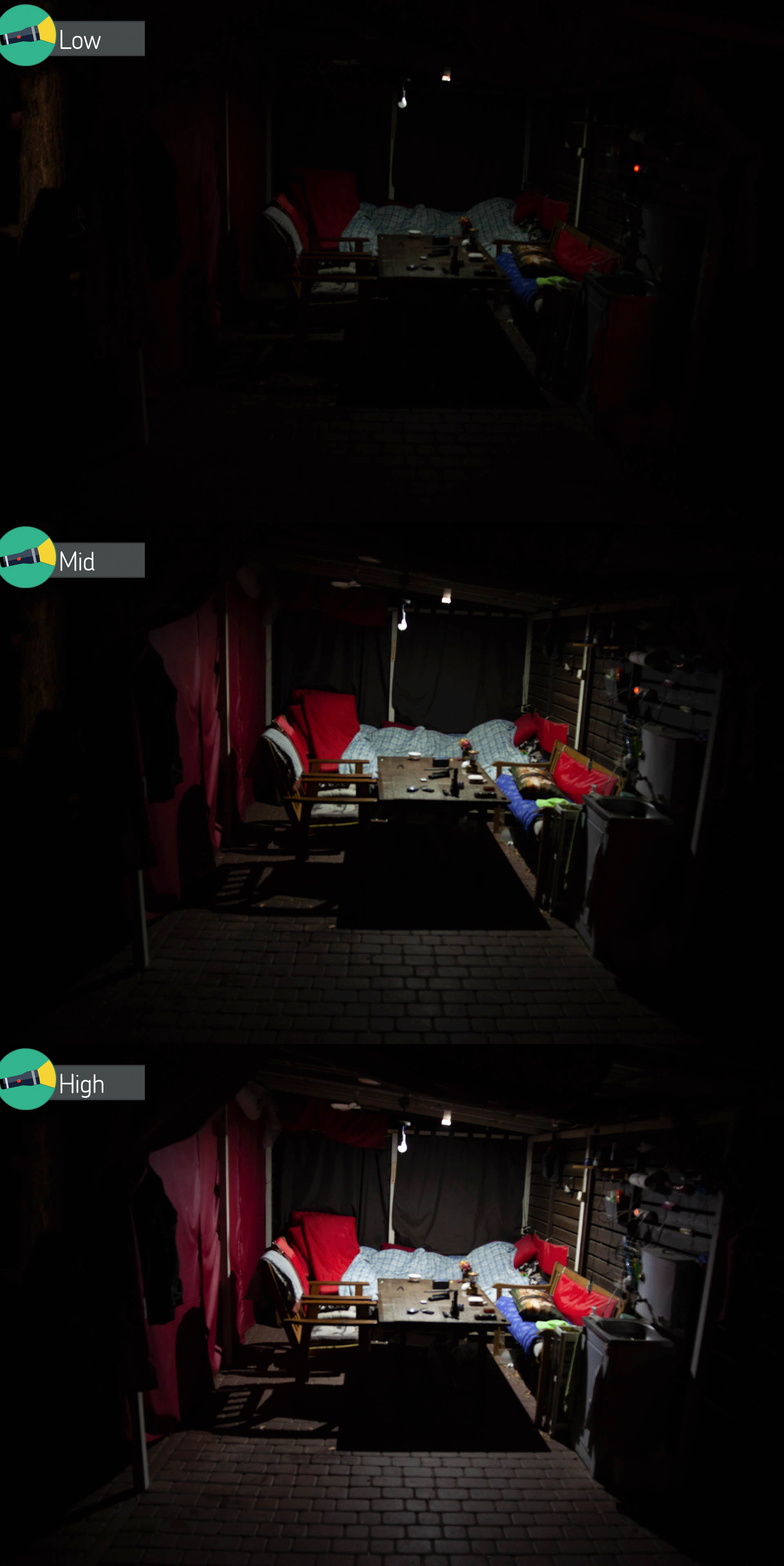
It’s also more than bright enough when you hang the lantern above a table. 150 lumens is quite a decent output at that distance since the light isn’t scattered in all directions but is instead focused, it’s even sufficient for reading. I hope the photo illustrates this clearly.

But (and I have to ask again) -why, oh why did Fenix choose such a cool color temperature? I realize it’s naive to expect Fenix to offer adjustable color temperature; that’s simply not feasible with such a, shall we say, straightforward control scheme. In models like the CL01, LT1, or LT1S, you can hold down the button to smoothly adjust brightness and/or color temperature. Here, however, holding the button just turns the lantern off - that’s simply how the Fenix interface works.
Yet, even ultra-budget brands nowadays often provide a choice between warm and neutral light. So why, when buying a fairly expensive lantern, am I forced to settle for cool-toned light? I wouldn’t mind so much if the 360-degree ambient light were also cold white, but that omnidirectional light is actually quite good!
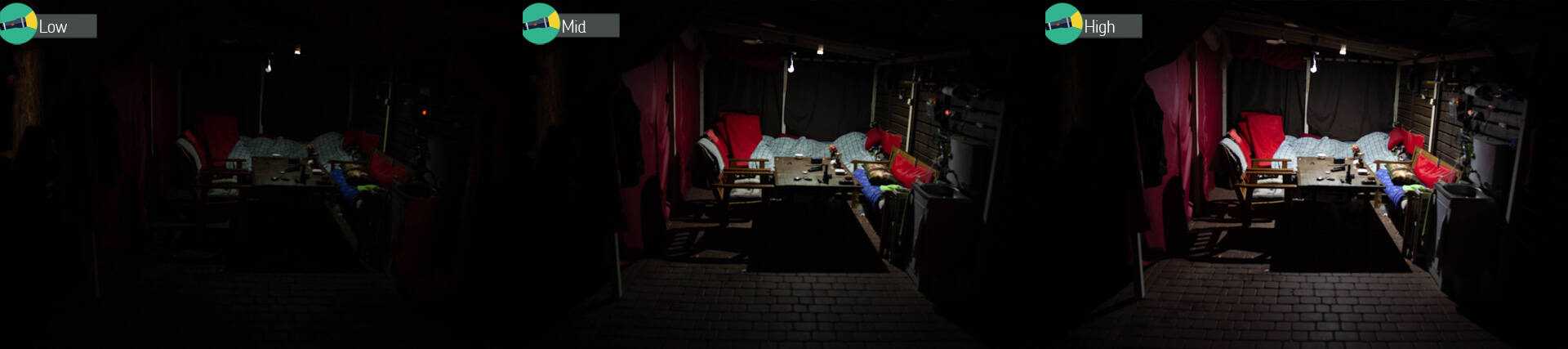
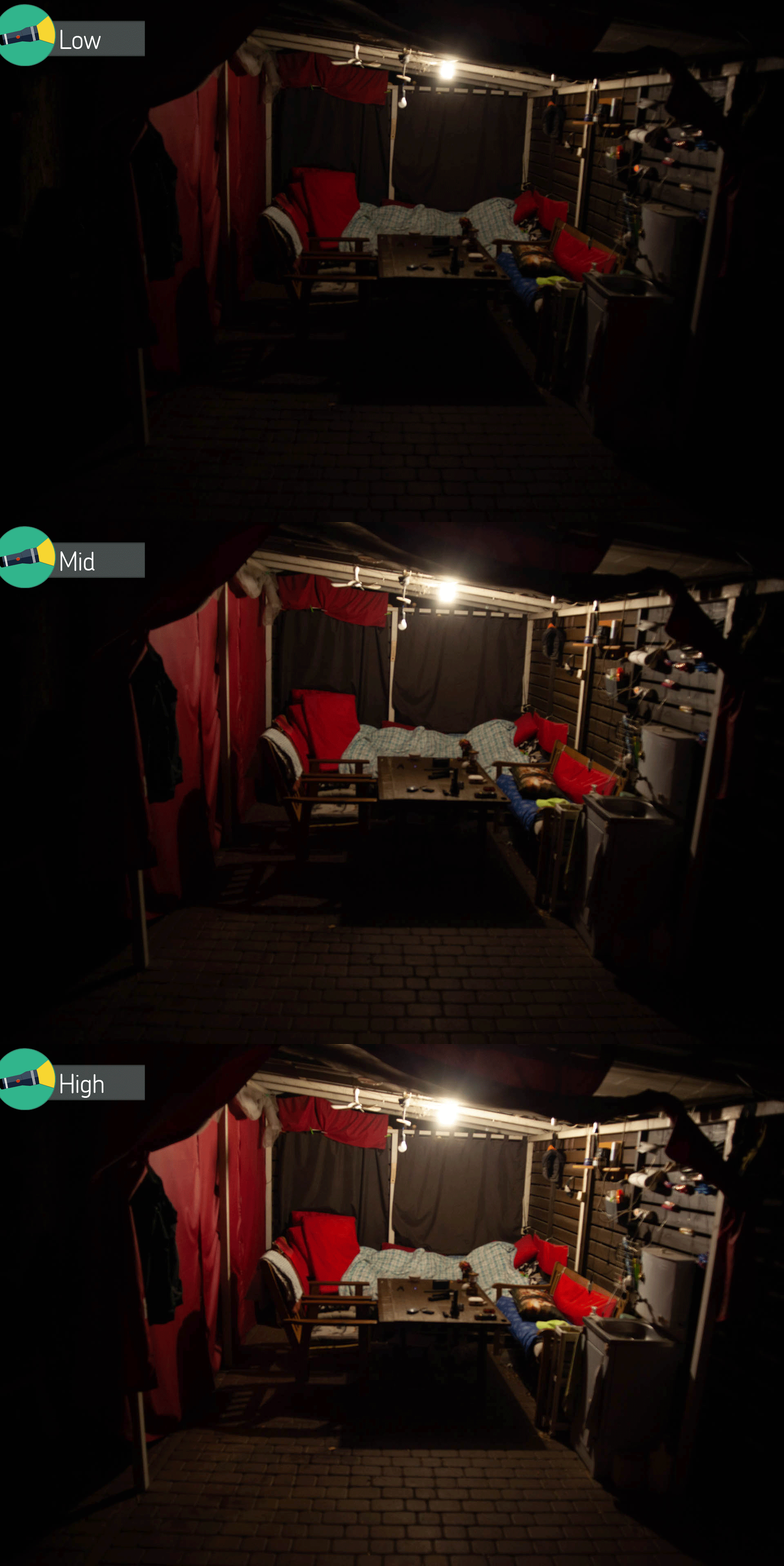
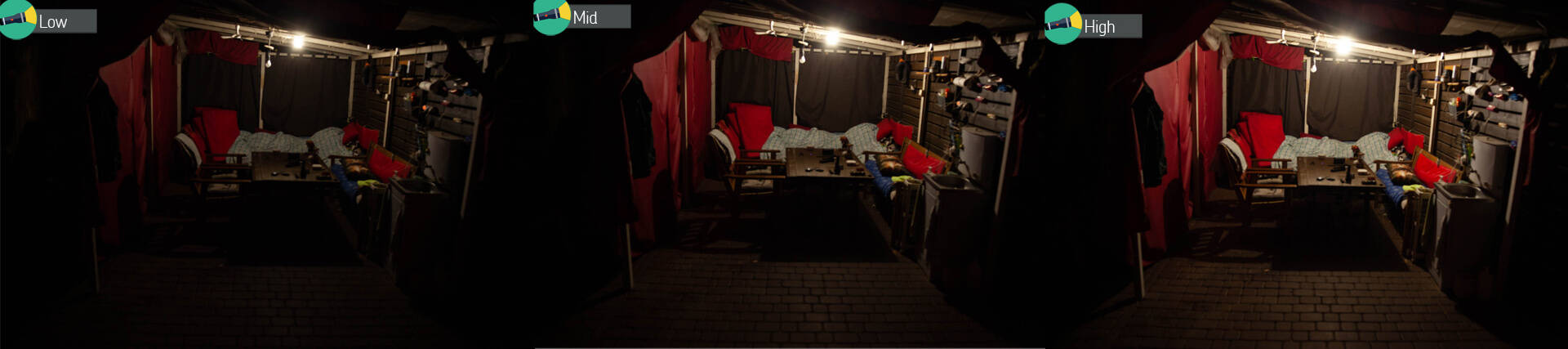
Take a closer look:
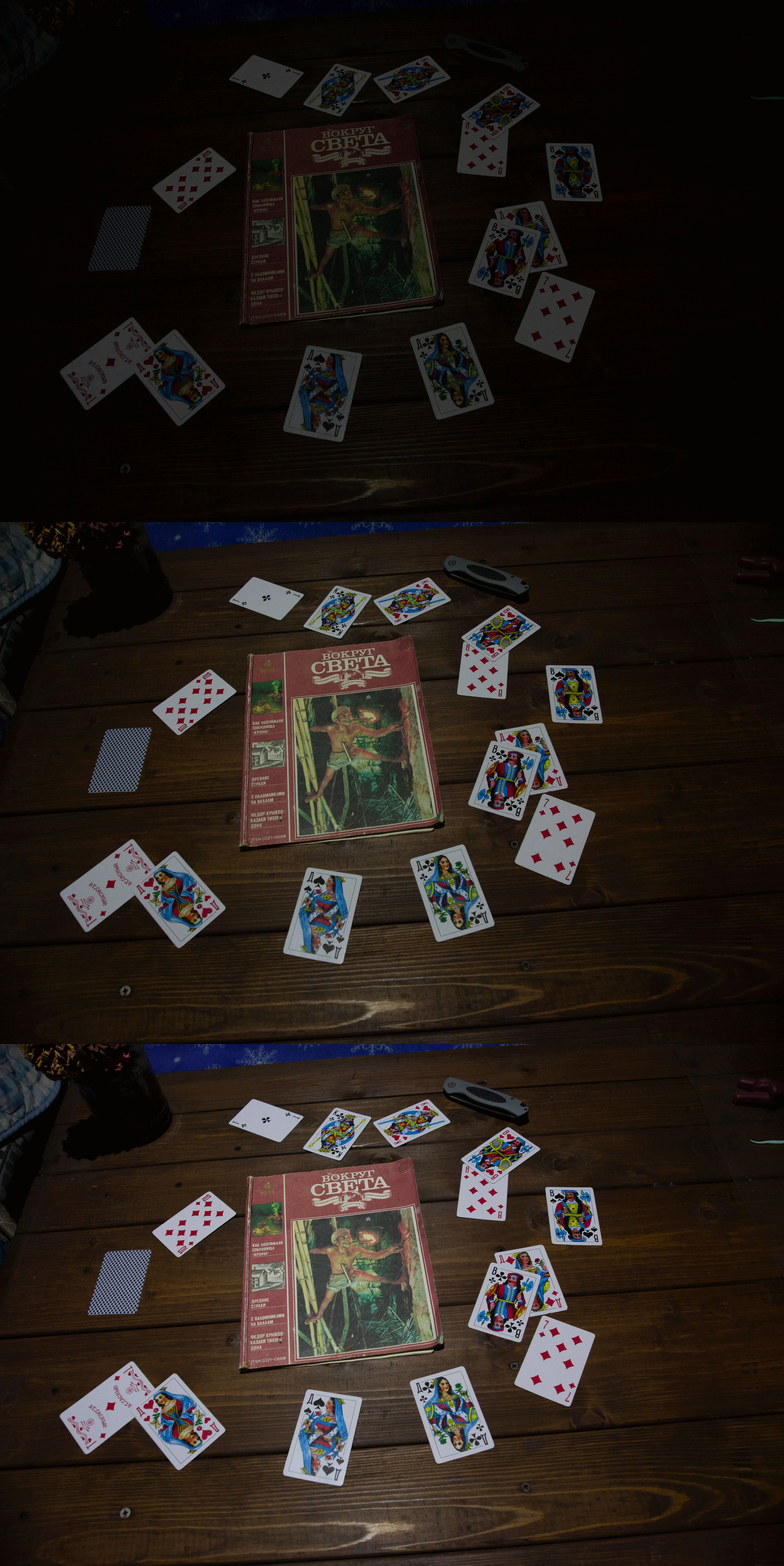
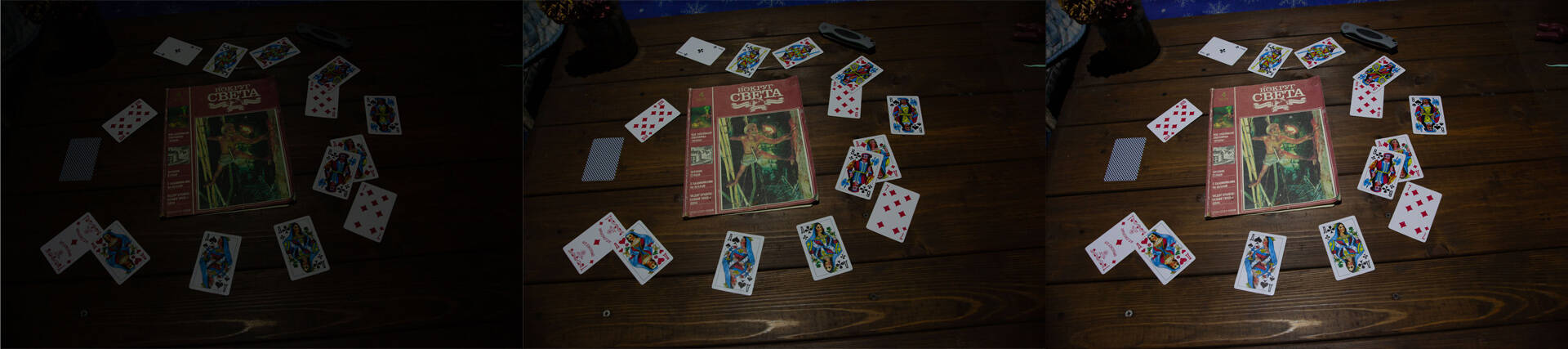
As for the 360-degree light, despite its higher brightness, it actually does a worse job of illuminating a table because a significant portion of the light is wasted by spilling out to the sides. If there are walls nearby, this isn’t an issue as the light will hit them and reflect back. But outdoors, you’ll lose a substantial amount of light, and the lantern might also end up blinding people nearby. Both of these issues could be addressed with a DIY shade or reflector. Though, it’s unlikely anyone would take it along on a hiking trip.
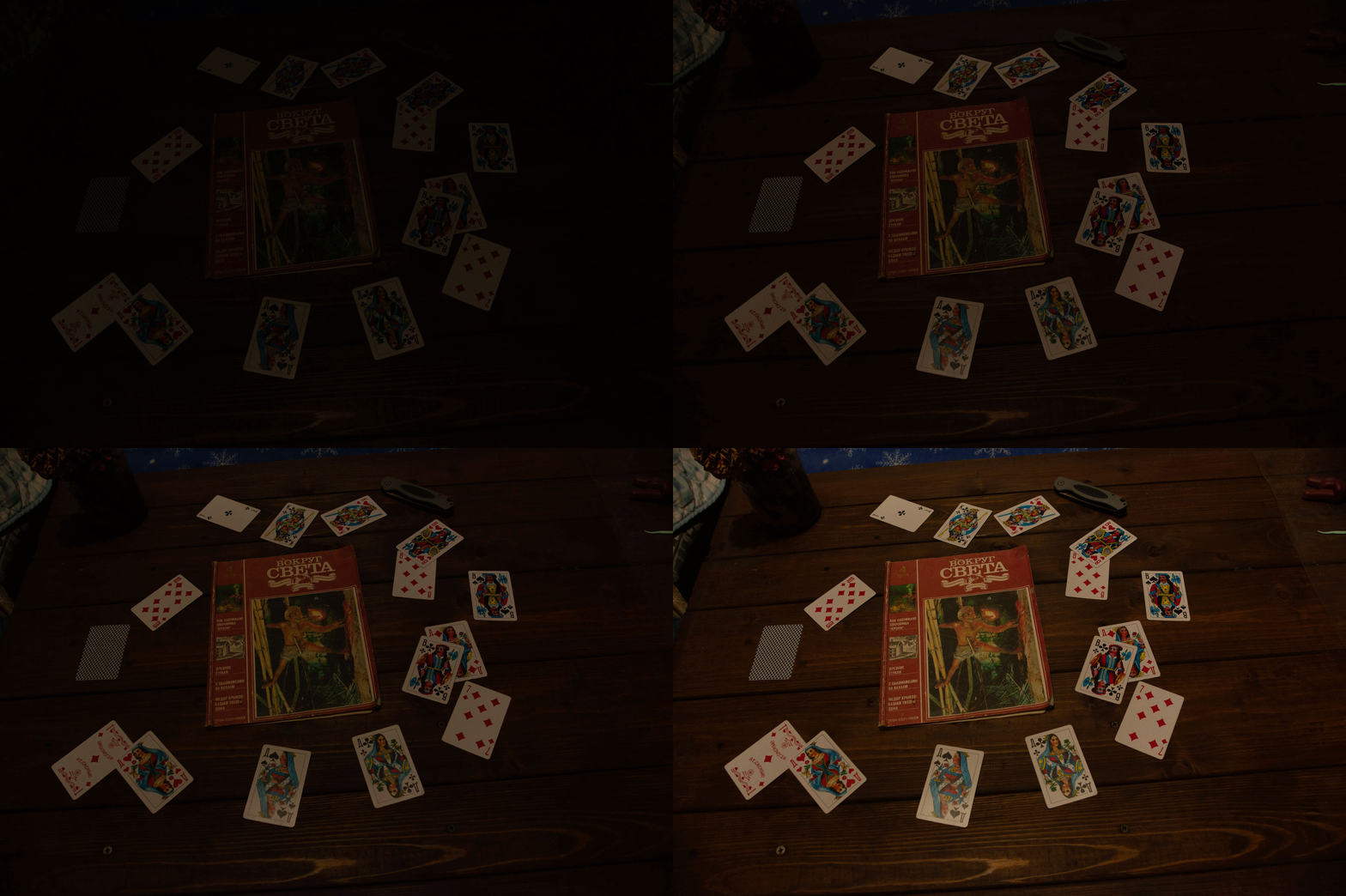
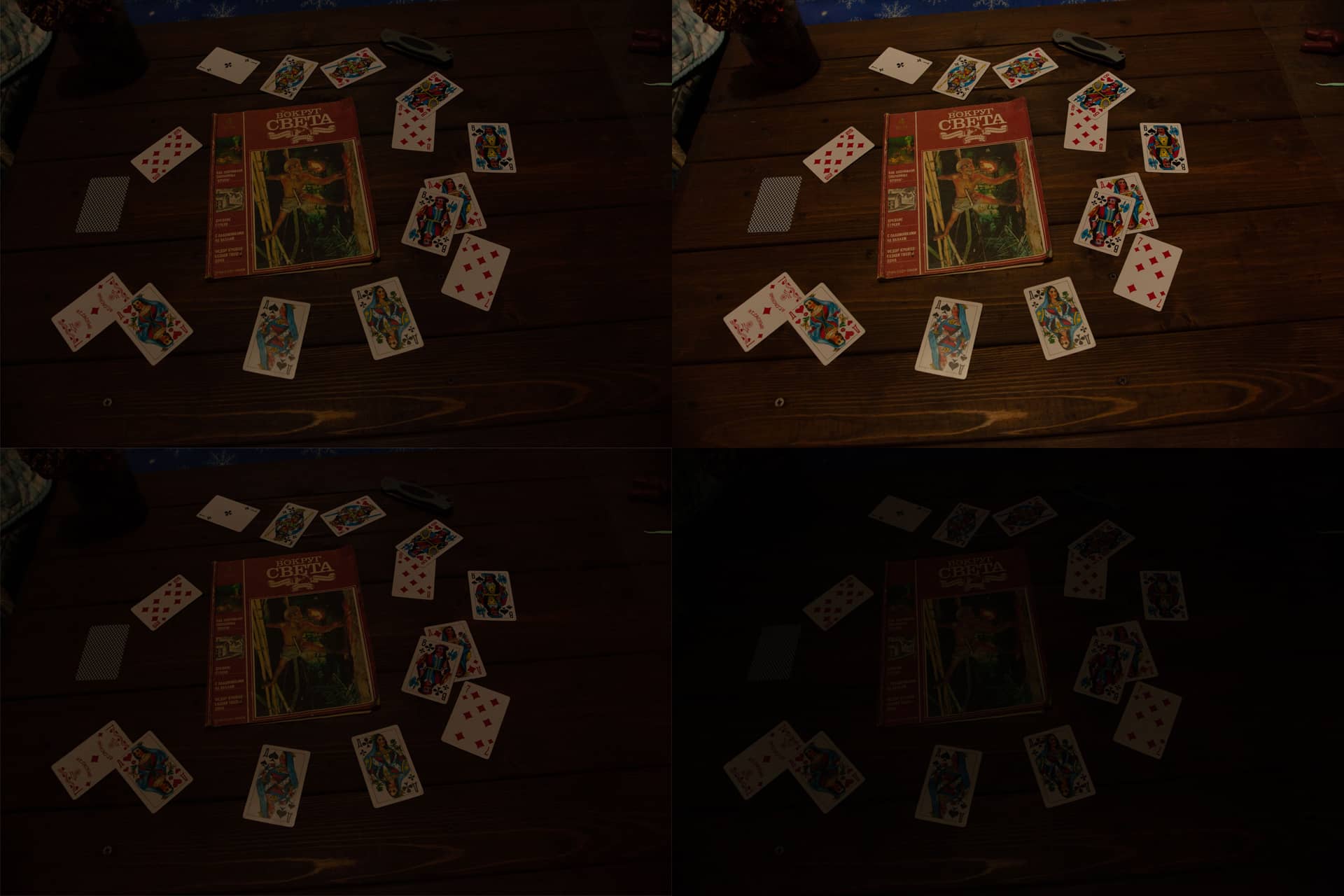
On the other hand, I hope you can see the difference in the quality of the light? How much more pleasing to the eye the circular light is, compared to the cold downward light.
OVERALL
Camping lanterns are my favorite type of light source. I have a real soft spot for the CL series as I still regularly use CL09, CL15R, CL20R, CL27 and now CL20R V2 as well. Fenix CL26R PRO could easily have been another great addition to this collection, given its impressive list of advantages. However, for me, the cold-white light is a significant drawback that outweighs many of those benefits.
So, I see the CL26R PRO as a tool for professional tourists, who cover long distances and head out on extended trips, not just weekend getaways. In those scenarios, ruggedness and reliability are far more important than the specific quality of the light. What good is a cozy, warm glow or versatile controls if the lantern can’t survive a drop onto rocks or into a puddle? I’ve never had any reason to doubt the reliability of the CL series, and I’d be very surprised if CL26R PRO turned out to be an exception. It provides more than enough (perhaps even an excess of) brightness for a tent, and the quality of its light ( i mean 360-degree, omnidirectional one) is excellent. 21700 battery ensures a long runtime, especially since you can now find cells with capacities as high as 6500–6800 mAh! You can also hang the lantern up without needing a separate carabiner. And, if you’re in a pinch, it can even double as a handheld flashlight!
On the other hand, for more casual, everyday use such as hunting or fishing trips, weekend camping, or as a backup light source for your home or a summer cottage this lantern is much less appealing to me. In these contexts, extreme durability becomes less of a priority, while having a bright, pleasant-looking light becomes the most important factor. When it comes to a country house or a summer cottage, the compactness of a lantern matter far less; what becomes crucial is the total output and the maximum runtime at peak brightness, essentially, the ability to illuminate a room as brightly as possible for as long as possible.
And, of course, the light shouldn’t be cold! Cold light is hardly cozy, is it? A constant output of 200 lumens isn’t actually all that much for an entire room. It’s decent enough, especially once your eyes have adjusted, but 200 lumens is a far cry from the 500 lumens of the Sofirn LT1S, and even further from the 800 lumens of the Sofirn BLF LT1, not to mention the latter’s super-long runtime and flexible UI.
Yes, price is starting to factor in as well. When reliability is mission-critical, you’re willing to pay a premium, and, frankly, your options are quite limited in that category. But for more routine, everyday use, both the range of available choices and the price spectrum expand significantly.
As you can see, my review of Fenix CL26R Pro has left me with mixed impressions, though, for the most part, they lean positive. Of course, others might have a different take. Timed stepdown is not a problem for me at all, i can raise my hand and turn toggle switch once in couple of hours. But CW instead of 4000K downward light is a serious reason to exclude 26R from my collection and trade it to something more bully and less reliable, but with good color temperature to use at home. But, again, if anyone asks me for reliable camping lantern for long trip somewhere deep in forest, i will sincerely recommend this one. Reliability for one task, cozy light for another. Anyway, that is a pity, CL26R PRO is just one step from being perfect for any task…
PROs
- 21700 battery
- Power bank function
- Convenient controls using a combination of a toggle switch and a button
- Full output stabilization (though it would be surprising not to see this nowadays, especially with a 21700 power source)
- Good, stable brightness; 200 lumens is quite decent
- Good runtime at maximum brightness
- Highly convenient mounting system
- Ability to activate just one segment of the side light which useful for a nightlight mode
- Ability to use the circular (side) light and the downward-facing light simultaneously
- I genuinely believe in its ruggedness and high build quality
CONs
- Step-down at MID of the circular light and HIGH of downward light
- The downward-facing light has a cool color temperature (!)