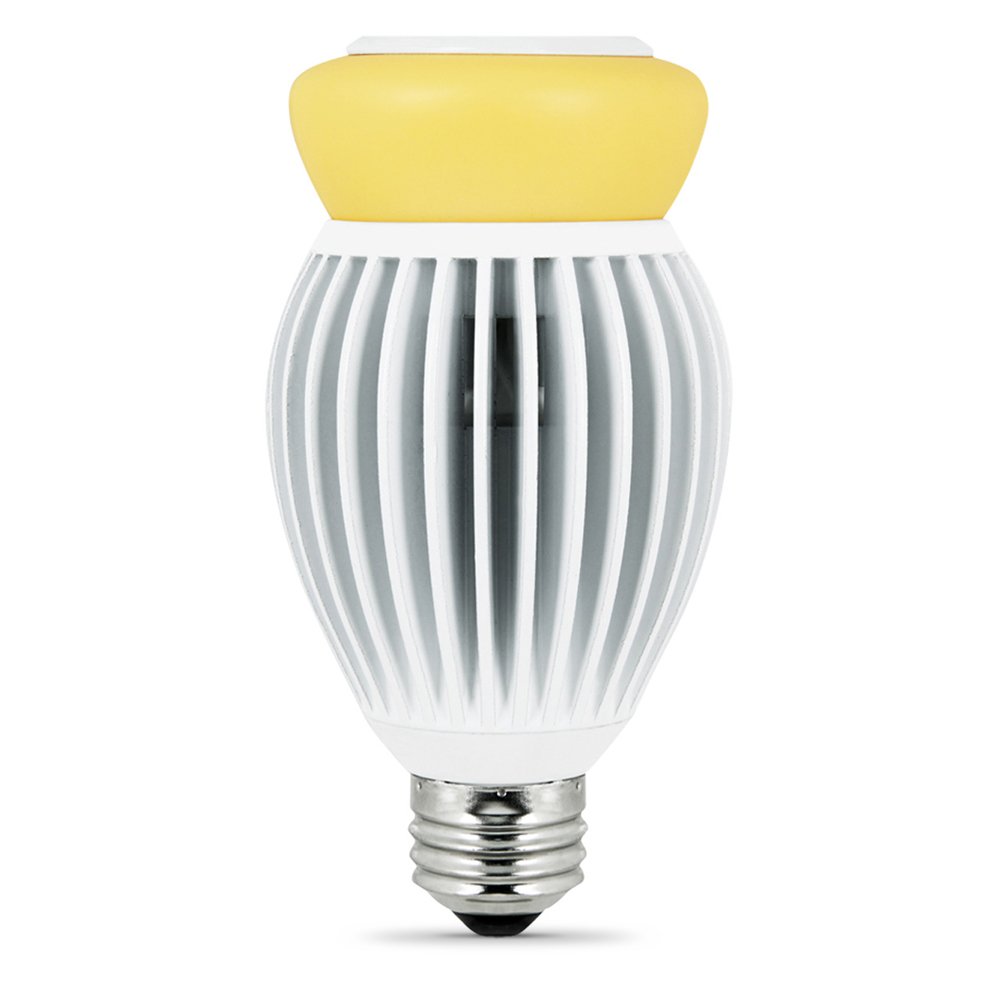
I have always prioritized replicating natural sunlight using artificial illumination. My ideal specification is a relatively high CCT of 4000K or above, combined with the highest possible CRI (Re) and a broad spectrum. This combination delivers optimal color rendering, which is essential for clearly distinguishing objects. This preference aligns with human physiology; our eyes have evolved to optimize visible light that matches the natural spectrum of daylight.
Unsurprisingly, plants utilize this same visible light. A broad-band white light with a high CRI outperforms the typical “alien-like” blue and red-purple grow lights. For optimal plant growth, a combination of high CRI (Re), UV, and far-red to infrared (IR) spectrums is required. This pursuit of natural light reproduction remains my top priority.
On the other hand, humans also have a deeply rooted evolutionary relationship with the warm glow of a bonfire or wood fire. While I was intellectually aware of this, I had never truly felt it on an emotional level; especially when it came to LED lighting.
I used to hold a baseless stereotype that mantled gas lanterns or campfires are pleasant only because of their distinctive physical warmth or visual flickers, having little to do with the light itself. Consequently, I never once considered mimicking them with serious LED lighting. It was a shortsighted assumption. I thought I hate lower CCT, because of characteristic behavior of distorting object colors, making everything look overly red or yellow. I disliked this coloration, treating it as an undesirable distortion to be avoided at all costs; even though I thoroughly enjoyed my gas lanterns.
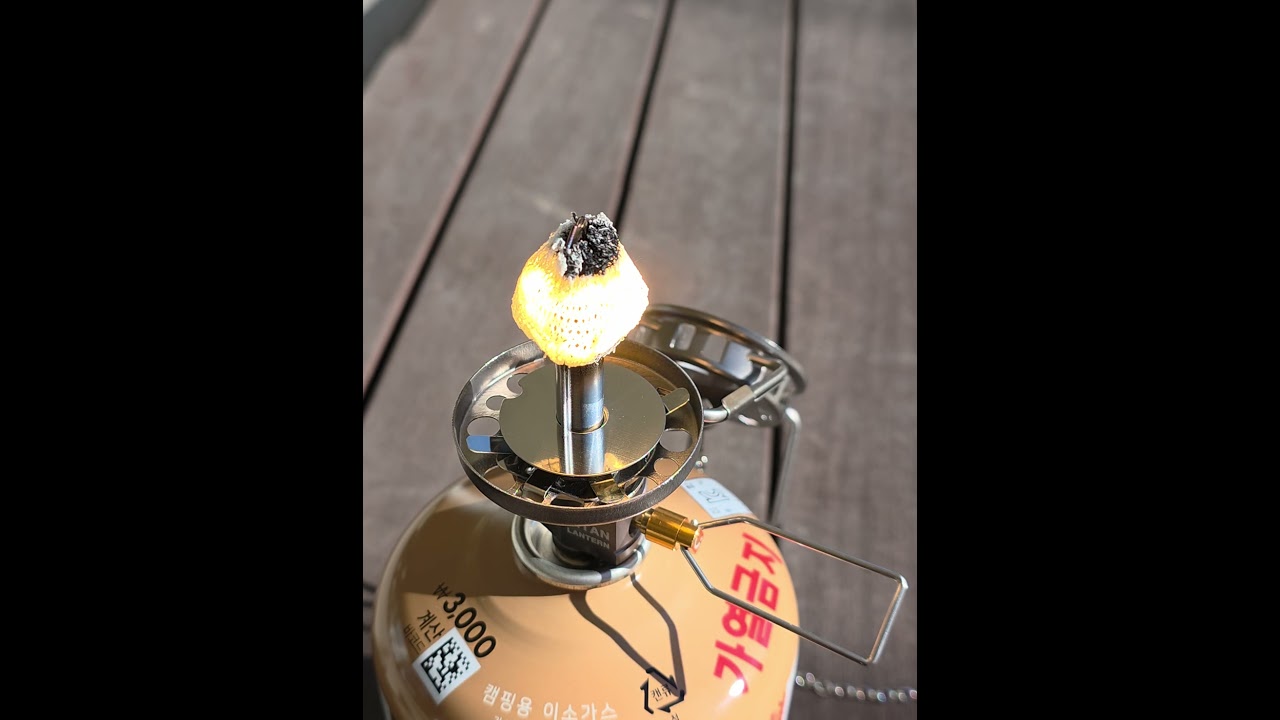
However, my entire perspective shifted when I experienced the Anduril 2 UI’s Candle Mode.
When paired with a CCT of 4000K or higher, Candle Mode felt like nothing more than a disturbing, erratic flashing. It made sense: the sun never flashes, and lightning is a sign of danger, triggering anxiety and discomfort. But when I switched to 2700K, everything changed. It felt instantly comforting for no logical reason; so cozy, warm, and inviting. I felt like I could watch it all day, and it served as the perfect background light.
Since the only major variable was the CCT, I felt compelled to investigate why. That realization led me to a new conclusion: while high-CCT daylight remains our ultimate goal for bright, functional visibility, there is an entirely separate goal for ambient mood; the wood fire. It is defined by a low color temperature, instability, and a natural flicker. It mimics the very fire that provided humanity with warmth, safety, and a cozy place to sleep since antiquity.

(Tap the image)
Now, I am really excited to see how an 1800K emitter will perform, and I am already making plans to acquire the missing CCT variants between 2700K and 4000K to complete my collection. I am truly happy like a child!