There has been a rise in discussions and sellers advertising Li-ions lately, and the rising issue and danger with the increase in dangerous fakes showing up in our mail boxes.
as many of you i have a large number of Li-ion cells in various sizes, capacites and brands. many braned name Sanyos and Panasonics, many Laptop salvage-pulls, and the popular “pull-a-name-out-of-the-bucket-fire” cells of every color in the rainbow, ranging from 1000mah to rediculous capacity claims of 5000mah in 18650 sizes.
Those members who are probally new to the flashaholic world, may not really know how to tell the diference, or know how to test them to determine the real ones from the dangerous fake ones, without dangerously cutting them all apart.
So far of all the various Ultrafires, trustfires, bananafires, etc cells i have found a fiew that were way under capacity and even two almost new cells that came with a light will not charge in my I4 Intellicharger at all.
I see so many ways of testing them, including weighing the cells on a digital scale and comparing them to the weights of known real cells, performing load tests, voltage checks after a period of weeks to determine average internal resistance, and the obvious way to cut off the wrapper tear them apart. ( that method can waste good cells too if the case is destroyed, or even worse short them out to cause a venting fire.
What are your reliable ways of determining the fakes from the real ones ? ( without destroying the cell or risking a fire & injury. ) keeping in mind all the info we share could help the novices & beginner Flashaholics understand the problem better, and be aware not to jump on every “great price deal” when they see a bundle of Li-ions being sold for cheap prices & claiming rediculous fake capacities.
If you have no other testing method the easiest way to test the batteries is to run them in your light and simply time when the low voltage protection kicks in or when the light starts to flicker.
Of course you’d need something to compare this to, preferably a known good cell. If you’re starting from nothing you need a light that is well regulated and draws a fixed current like one running an AMC7135 regulator. Then you time it til it flickers. Generally with most of the newer low Vf leds you can get a rough guess of the capacity by getting the current draw in milli-amps and dividing it by the time in hours. And since the lights go out of regulation I’d then probably reduce that figure about 25%.
I use a hobby charger and run a discharge capacity test. There’s no way to fool it, no matter how pretty the wrapper is. :bigsmile:
To check the condition of the cells I do a 3 amp discharge test on 18650 cells, I find that 18650 cells with high internal resistance cant stand that current for long with out dropping below 3 volts, lots of voltage sag. HKJ has provided the blue prints on how well a cell should preform with different current loads. My charger also does a internal resistance test. Hobby charger and a discharge test all the way for me. They can be purchased for as little as 22 bucks from a US seller on ebay, look up “Imax charger”. Hobby king also has a great selection. They will do way more than just a discharge cell. Money well spent to me. I can tell exactly which of my batteries are good and which one’s are trash.
Educate yourself. Buy from reputable dealers. Buy only known brands.
Again a reputable brand hobby charger is probably the better way to go testing batteries for most of us.
The ridiculous claims have been for years on Ultrafire cells, as the years pass the claims on the labels will be backed up by a manufacturer's trues capacity. Since usually noobs or straight-up-fishing-for-the-cheapest people are interested in Ultrafire that may be enough to think it's a good deal.
I have saved enough money, that would have been wasted on junk batteries, because I didn’t know they where junk, to pay for my first hobby charger. As MRsDNF said, education is the key, its all there in the google search box if you go search for it.
Before I had a hobby charger I only bought batteries that had good reviews on sites like this one. Don’t just take one persons word for it, search to get several opinions. HKJ has tested so many batteries, it should be listed as a battery buyers guide.
For me, I always remember - you pay your money and you take your chances …
There was a time I took chances I didn’t know I was taking. Then I didn’t want to take chances. Now, I know I’m taking chances every time I use or buy a cell - I’m a good bit more educated, but I still take some chances while I avoid others.
Only you can decide where in that continuum you want to be …
Hi there, 007. Is this hobby charger here (from DX) a good or at least reasonable one to use? I also saw this here from BG.
I ask because I’m a complete noob (not technically-minded) of all things electrical.
I would certainly appreciate your opinion…
@BanglaBob
I would pick this one over the DX model. The accucel 6 seems to always get good reviews and is well liked. I liked the one I had, no problems. If you have a need for data logging move up to something else, preferable a icharger.
The imax b6 has been copied so many times, there’s copies of copies, some copies are probably good, and some are known bad copies, cheap components inside, poor quality. The known good imax b6’s usually will say “Authentic” like this one. Amazon.com
.
If you are going to use the charger for basically discharging (checking capacity) and charging cells, for the money the accucel 6 is hard to beat. I think the max discharge current for the accucel 6 is 1 amp, so if you would like to discharge at higher rates look else where. If you can afford it I would move up to a icharger, not necessary but has a few more features than other chargers and seem to be of good quality. It’s really up to you as what you will be using it for. The accucel 6 will work fine for testing capacity but has limited features.
I don’t have any hobby chargers or anything so my strategy has been to only buy from fasttech which has had a good reputation for genuine cells on BLF, and i got a laptop pull from a Dell
With the new chargers coming out recently is there one that charges and tests capacity and internal resistance?
Folks, just about the ONLY thing IMAX has going for it right now is CHEAP.
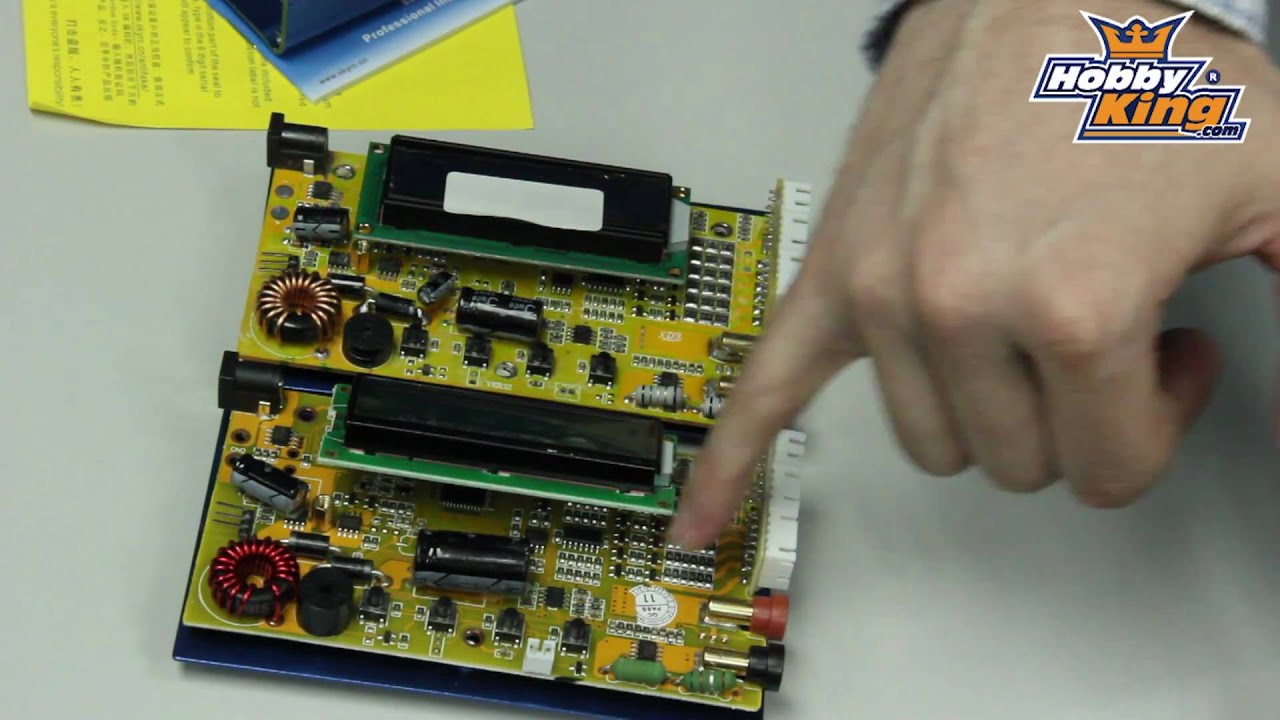
ALL these 4-button chargers are CLONES. Unfortunately the current (the last year) crop of IMAX is LOADED with FAKE CLONES….copies of copies, with substandard components. Some are simply NOT SAFE, with poor charging algorithms and poor balancing (if needed).
Some are OK, some are NOT. If you don’t have the means to test it, you don’t want it because you won’t know if it’s screwing up.
If you have to ask, don’t go there.
It it’s on eBay or a cheap Chinese site (DX, Banggood, etc.) there is an almost 100% likelihood it’s fake.
OR just avoid the fake cell delima and buy name brand quality cells is it worth the risk with what little money you save and then having the chance you have a bomb in your house??
I agree with avoiding fake/crappy/suspect cells.
But, a bad charger can create a problem with good cells.
Just like there are crappy fake cells, there are crappy ‘fake’ chargers. They may work, but they may not work the way you want them to.
People that have the equipment and abiility to test a charger to make sure it’s functioning correctly probably have the sense not to even purchase a suspect charger.
People that have no means to test them are the ones that are more likely to buy them.
This seems true for batteries and chargers.