Thanks, you correct
2 Thanks
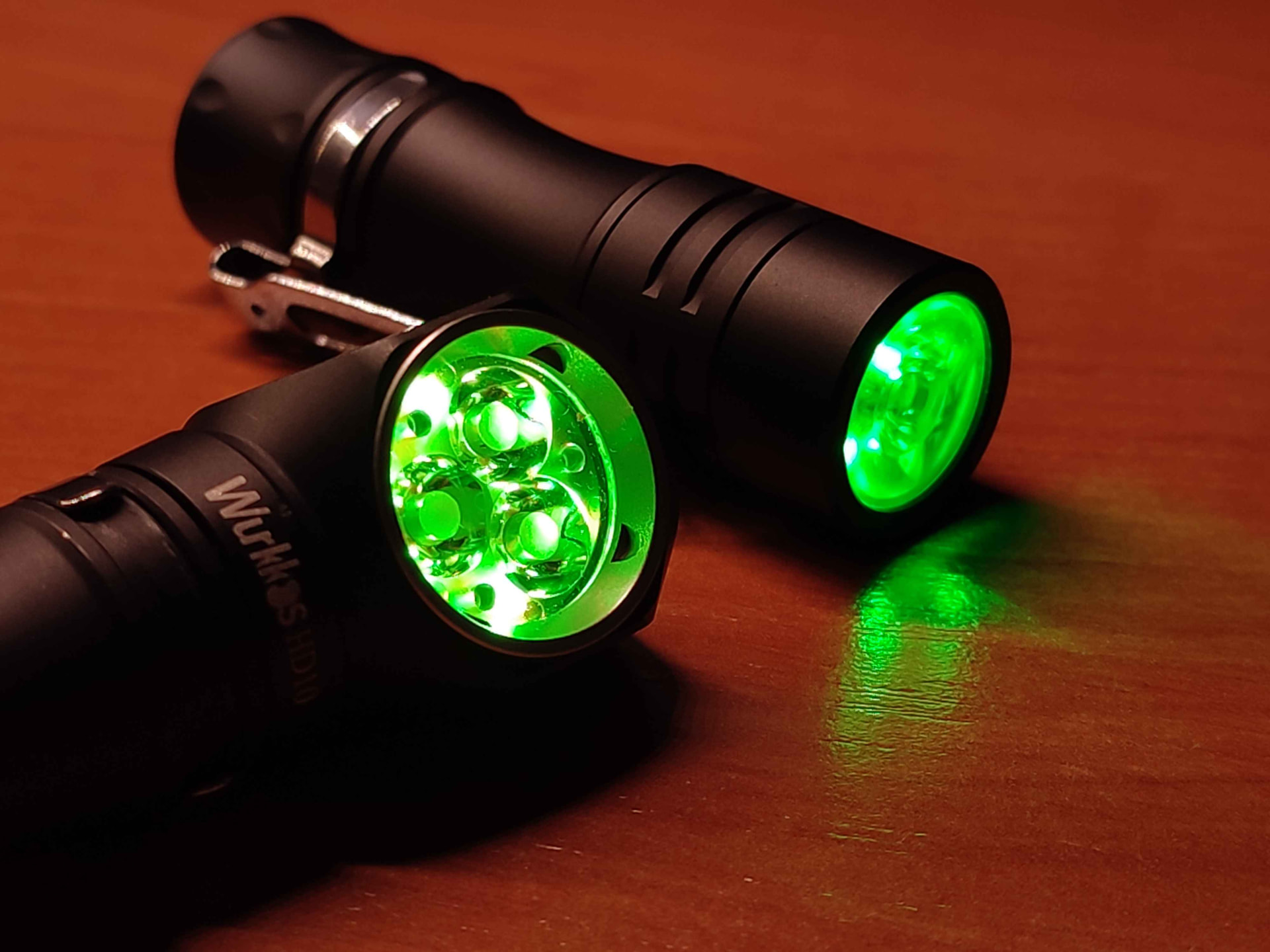
Theres one more thing regarding leds that I would like to mention, not the main emitters this time.
I attached a picture of HD10 and TS10 SG. The HD10 is set to “yellow” and TS10 is set to green. You may notice that they’re almost indistinguishable from each other. The green overpoweres the red AUX by a fair bit. This is even more pronouced when AUX is set to low, red is very dim. (Yes in person the difference is a bit larger but yellow is still closer to lime.)
It would be nice if the configuration of resistors driving the AUX would be tweaked to the yellow/orange AUX pops a bit more.
4 Thanks
After my recent experience of my new barely used Fc11c developing a catastrophic short circuit and smoking out from a 60cm drop (and after seeing reports of lights developing major parasitic draw/battery drain issues from minor falls onto soft surfaces), my biggest feature request is that these lights be designed to not develop shorts from minor bumps and falls. I’m okay if a short fall kills the light for good, but my family shouldn’t risk burns/toxic gas inhalation/fire if this thing gets knocked off of a bedstand.
2 Thanks
I think the FC11C has different risk factors than the TS10. Because the FC11C has a USB port that seems to be a point of failure where it is attached to the main LED board.
I do not think the TS10 has any history of drop damage. Totally different design than the FC11C.
3 Thanks
the Fc11c failures may be related to on board charging, but if a company ignores basic safety engineering in one key product, it’s reasonable to remind them to consider including it on future products. Failure is acceptable in a low cost high spec product, catastrophic failure with high injury potential should be designed out to the extent possible, and taken seriously by the designer when reports come in.
ETA:
I love my other wurkkos lights and run with at least one every night. I really want some of these, but given wurkkos non/dismissive response to me on the Fc11c issue, I’d like to at least hear someone from the company say something about safety on these lights. My wife got a minor burn from the Fc11c, she’d kill mine if I bought another wurkkos without at least asking for that much.
1 Thank
That was one of my favorite things about the TS10. Made it usable for 3am trips down the hall without waking someone with better sword skills than me.
I believe that pages 12-21 are what you are after. It goes a little further than the link six7 provided.
4 Thanks
may i know the seriel number of the FC11c you bought? The factory informed us they have made structural adjustment
2 Thanks
ETA: serial is WK26A0214KK
Thanks. I couldn’t find a dial number on the user accessible parts of the light, where is it located? The order number from the Alixpress “Wurkkos official store” is 8210414370808575 placed on 3/22 if that helps.
1 Thank
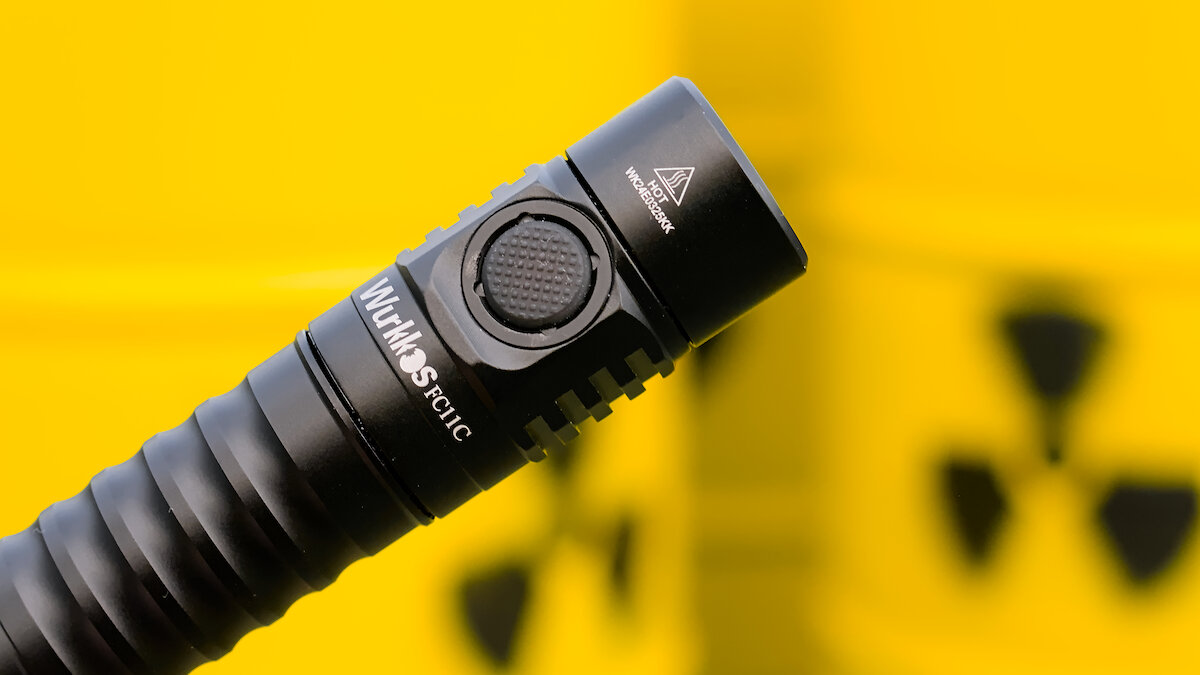
It’s the number engraved on the bezel under the “HOT” icon:
3 Thanks
Serial is WK26A0214KK
Is this structural adjustment relatively recent?
Today I confirmed with the factory again that the adjusted parts include: changing the entire lamp holder, button pressing ring, driving PCBA, and adding thermosetting adhesive to the assembly board during assembly to increase the strength of the board.
The adjustment started in June, with a batch on June 3rd and June 20th . After testing, the factory confirmed significant improvements in reliability and hopes to receive new feedback from users after use.
If your flashlight is damaged as a result, please feel free to contact us to experience the new FC11C structure for free
15 Thanks
Thanks for reporting this.
Last saturday I had the same issue with a Sofirn HS21, fell from my hand and now it can’t have a battery or it gets hotter and hotter and hotter even when turned off.
Looks like the same issue, I will try to contact Sofirn.
Damm, I liked that light so much : (
Yikes! I run with an hs21 regularly but the last thing I need is to trip, fall, and end up with a nasty burn.
In my case things didn’t end so bad. The light seems KIA because I won’t use it now but it didn’t get super hot fast.
Only concern would have been how hot would it have got if I didn’t noticed and left it with a battery in.
Im looking forward to the release of the new TS10SG with 519a..
some past TS10’s Ive had:
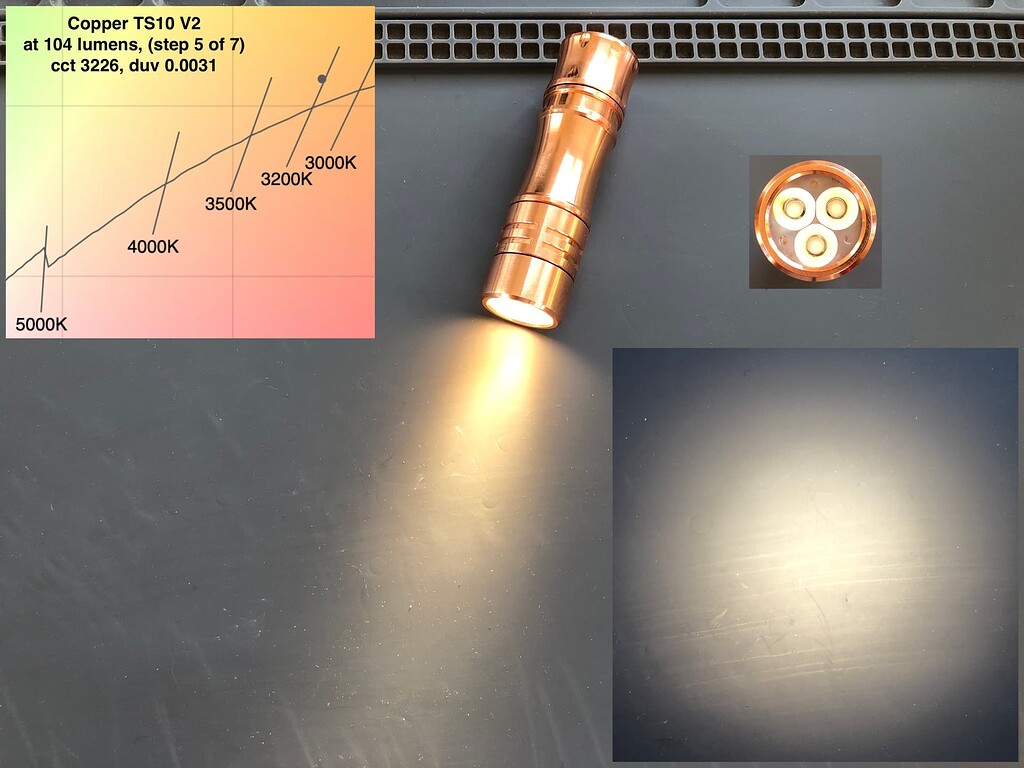
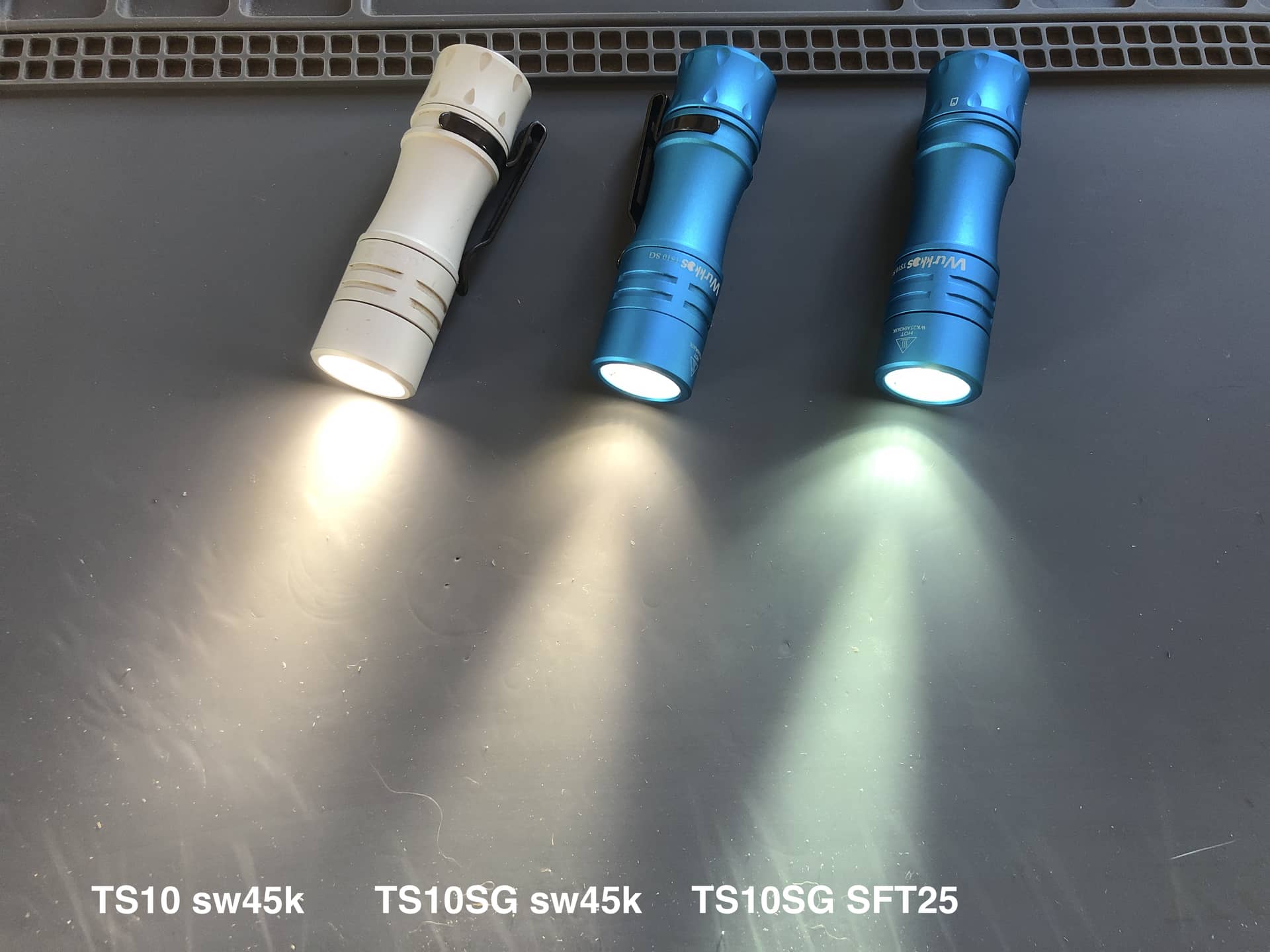
I think a Copper TS10SG with a 519a will be very popular
9 Thanks
Thank you for your transparency with the community! Question: is this addressing a problem with more recent FC11C production runs only? I have a few FC11C from 2025 and wonder if they are likely to have the same reliability challenges we’ve seen reports of.
1 Thank
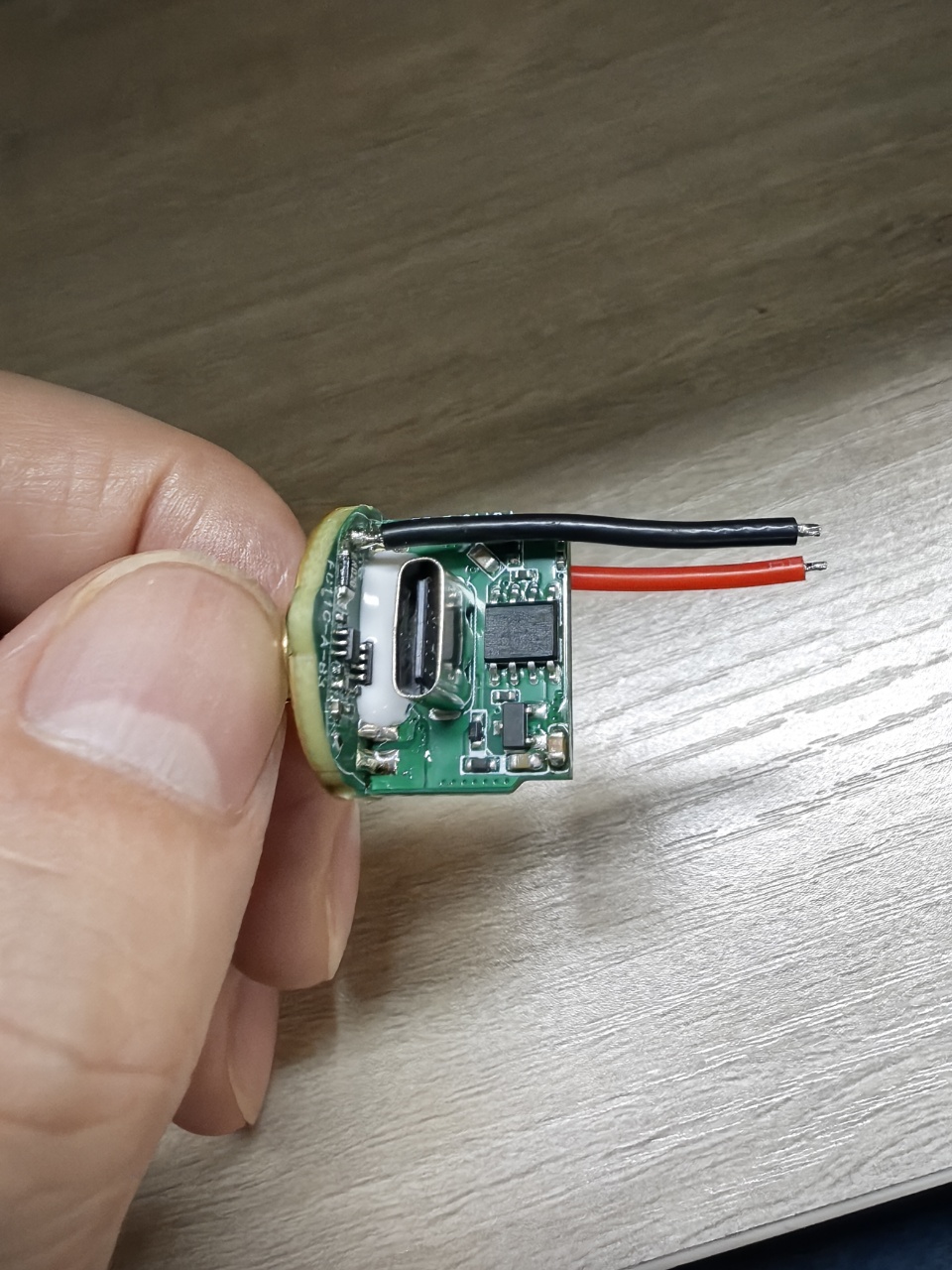
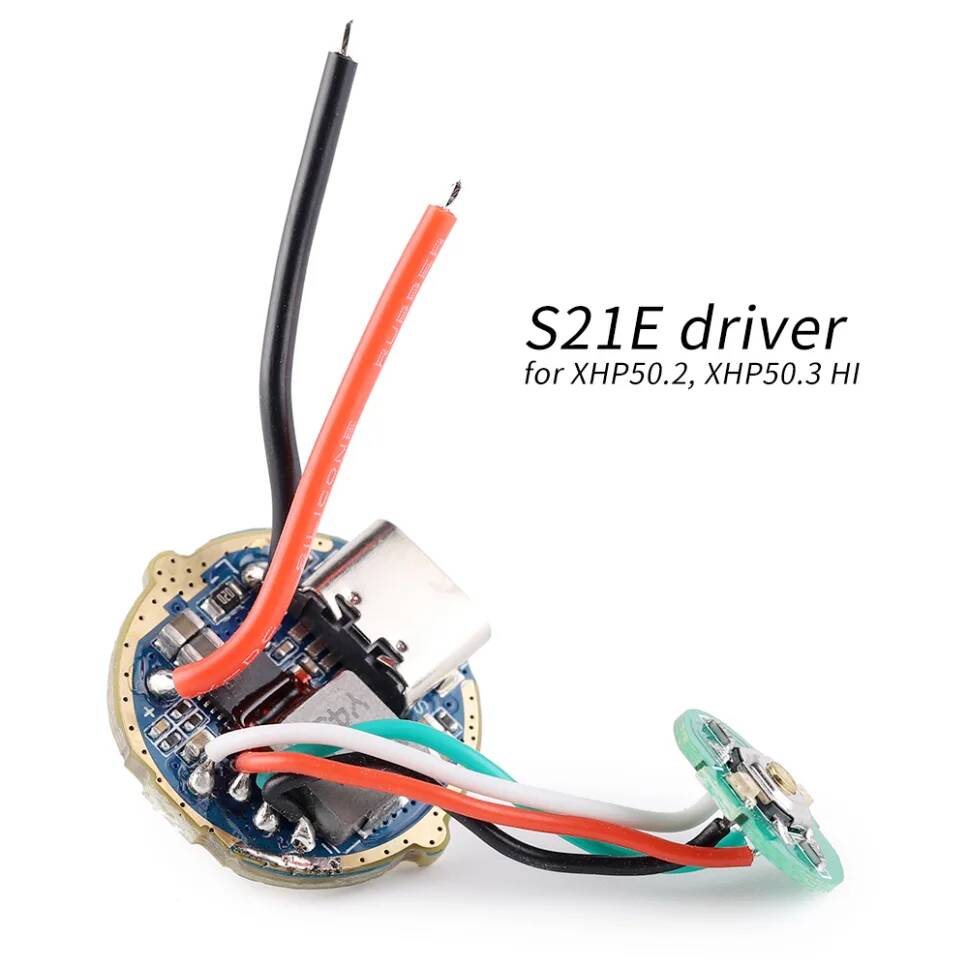
I applaud for acknowledging the issue and working on mitigating it, but I really wish Wurkkos (and Sofirn as well) would stop doing this kind of soldered inter-board connection at all and use wires instead. This failure mode is not unique to FC11C and it would have never happened if the driver looked like this:
2 Thanks
[quote=“SilicaGel, post:2988, topic:69700”]
would stop doing this kind of soldered inter-board connection at all and use wires instead
[/quote]
Wires, and especially soldered wires particularly hand-soldered to SMD pads wires
are an incredibly unreliable connection that is extremely difficult to manufacture reliably at scale.
This is why you don’t see soldered wire connections in cars.
When wires have to be used, they are usually crimped or ultrasonically welded to some sort of spring-loaded contact.
Board-to-board interconnects, when designed properly, can be reliable, compact, and, most importantly, can be manufactured at scale in a repeatable and cost-effective process.
Cables add manual labor, and manual labor is expensive, less reliable, and doesn’t scale well. Not to mention the ethics of having people sit down and solder cables if a more efficient design could eliminate that work altogether.
2 Thanks
I agree there are better ways instead of hand-soldered wires, but that’s what Wurkkos is already using to connect MCPCBs in most lights, so it’s not like the current designs have no wiring. I also highly doubt the current connection style is automated either: judging by the flux residue and small solder drops on the provided photo, it appears these two boards were soldered together by a human.
A counter-example are soldered wire connections in FPV drones. Drones don’t require life-saving kind of reliability, but they are designed to survive drops and vibrations, and our lights should be too.
I think we can agree that the current board-to-board interconnection leaves too much room for improvement: a reliable design never solders PCBs directly at a 90-degree angle and then lets users ram a USB cable in there. Reinforcing the joints with glue is a step in the right direction, but a proper design simply doesn’t have this kind of failure mode at all.
2 Thanks