【XTAR Battery Test】Do you prefer rechargeable USB-C AA batteries for your everyday power?

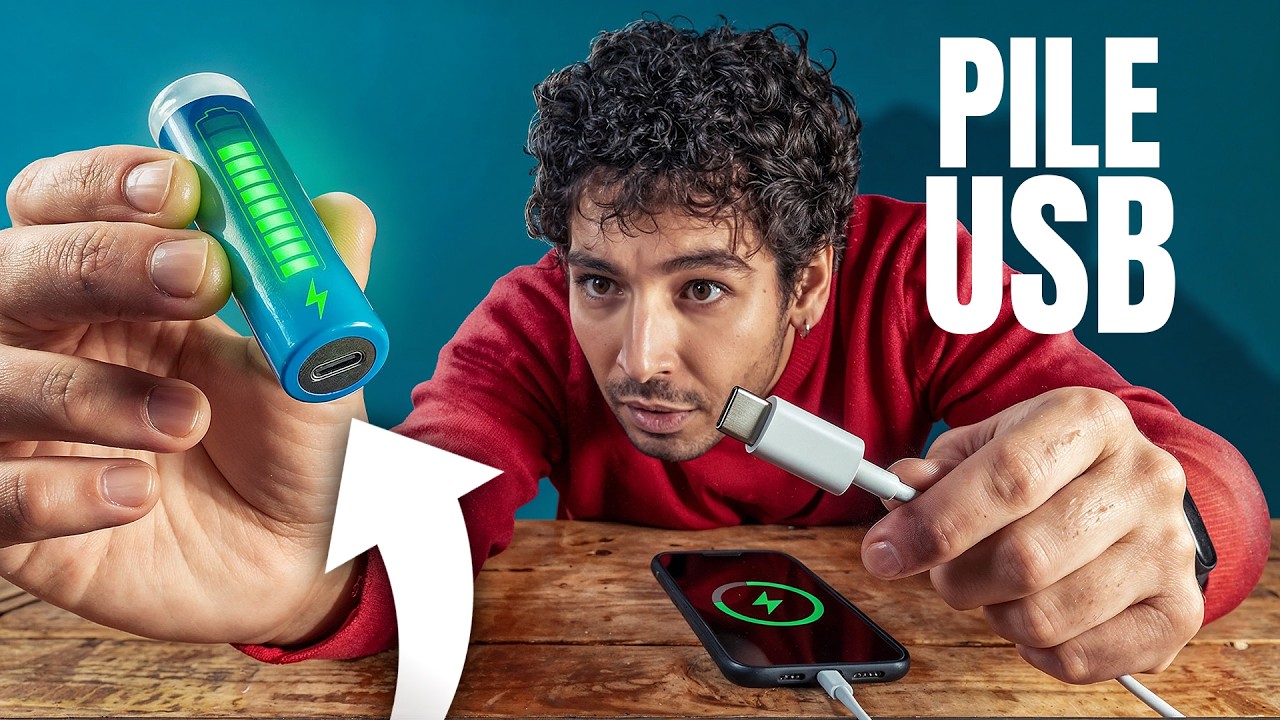
One of France’s well-known tech review channels, Bricolage c’est cool, recently made an in-depth comparison of USB-C lithium AA batteries against multiple well-known AA brands on the market, and the results were impressive.

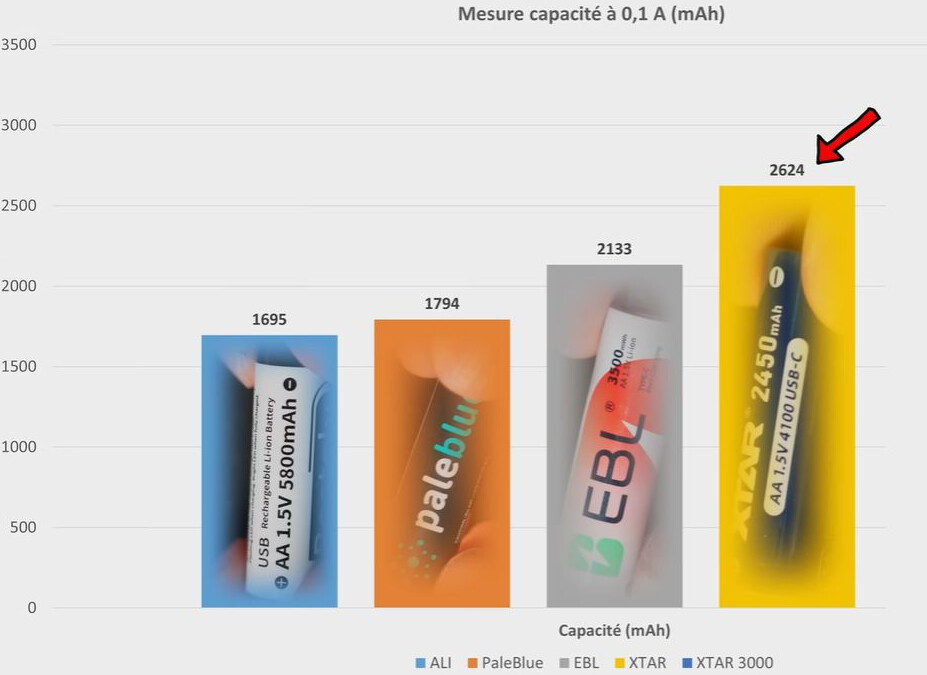
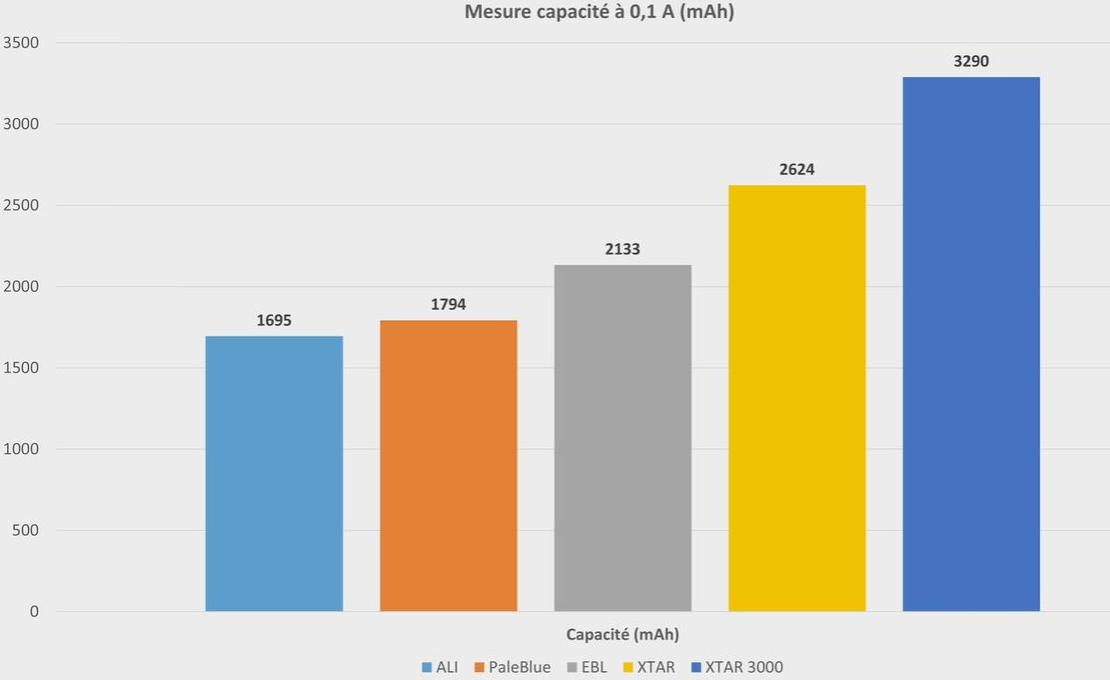
In the test, XATR AA 4100 USB-C and AA LR 3000 USB-C batteries delivered the highest measured capacity among all tested models, while also showing the most stable performance under high-power loads.

Unlike traditional rechargeable batteries, USB-C lithium batteries feature a built-in charging system. No need dedicated charger, simply plug a USB-C cable directly into the battery for fast and convenient charging. The testing highlights a key advantage of rechargeable 1.5V lithium batteries: performance remains stable even in demanding devices where conventional batteries often struggle.

If you’d like to explore the full methodology and detailed results, watch the complete review here:


Would be interesting to add a poll to the OP to answer the question posed in the title.

I prefer a standalone charger.

slmjim

Oo-la-la!

I use USB AAs for my teevee remotes, because range is limited at 1.2V and is much better with 1.5V. And they last long enough that I only have to charge them after months of use.

1.5V Li cells are electrically noisy, though. In my clock/thermometer, using them will let the beastie “tell time” (from its initial 12:00) and show the temperature, but the buttons don’t work! Switch to NiMH or hateful little alkaleaks, and everything works 100%. NiMH perpetually shows a low-battery warning, though.

They work great in AA lights that aren’t too high-strung, but fall off a cliff and shut off with zero warning when spent.

Point being, to me, they’ve got limited use-cases despite their convenience. Doodads that aren’t affected by electrical noise will be fine, as well as doodads where unexpected shutoff isn’t traumatic. Otherwise I just stick with NiMH out of necessity.

Oh, and things like cat-toys that take multiple AAs in series, I again just stick with NiMH, because no one can tell me what happens with 1.5V Li cells in series when the runt of the litter runs down, and would be forced to 0V and even go negative.

【Updated】 Comprehensive Comparison: 61 Different 1.5V Rechargeable AA/AAA Lithium Batteries

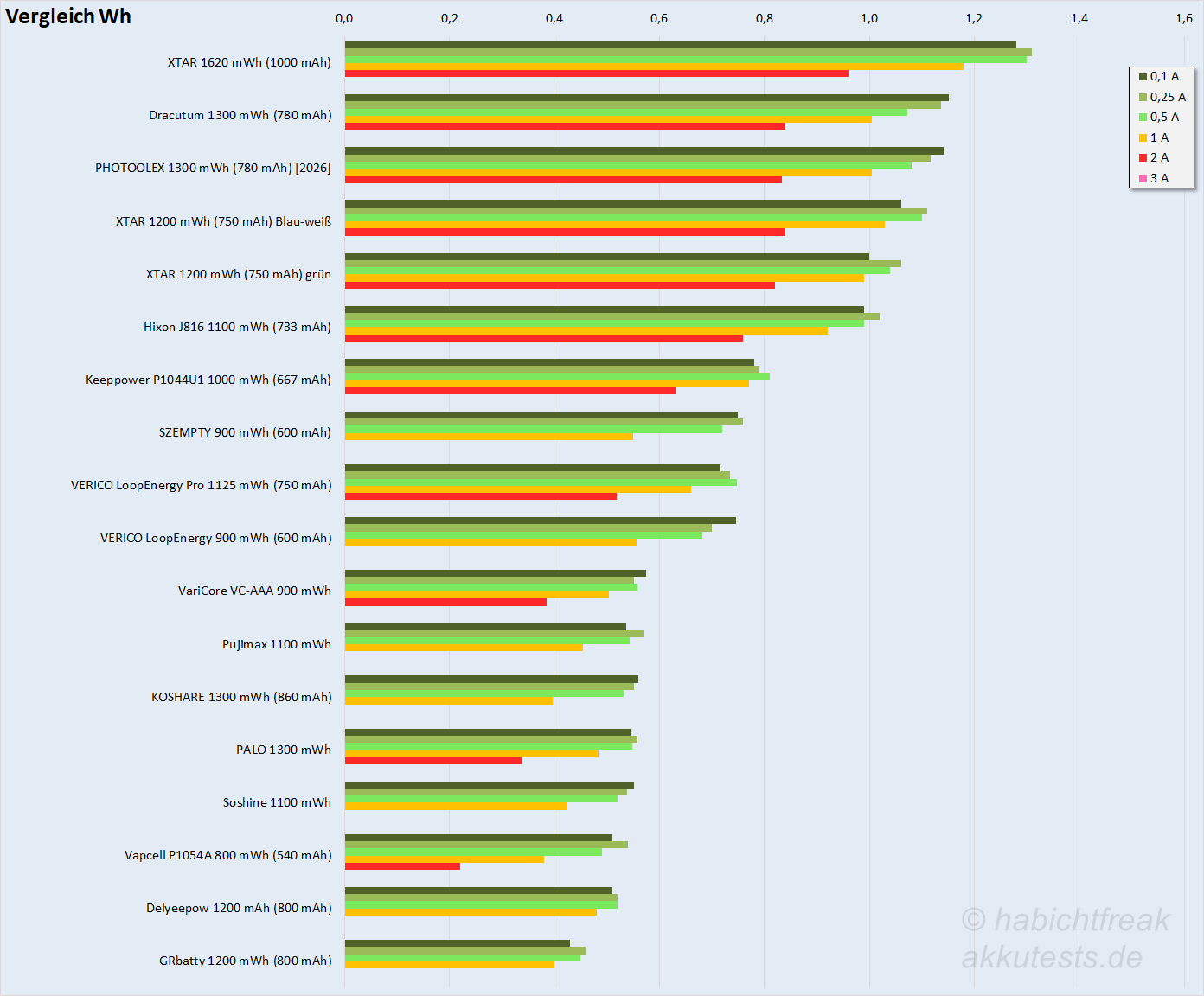
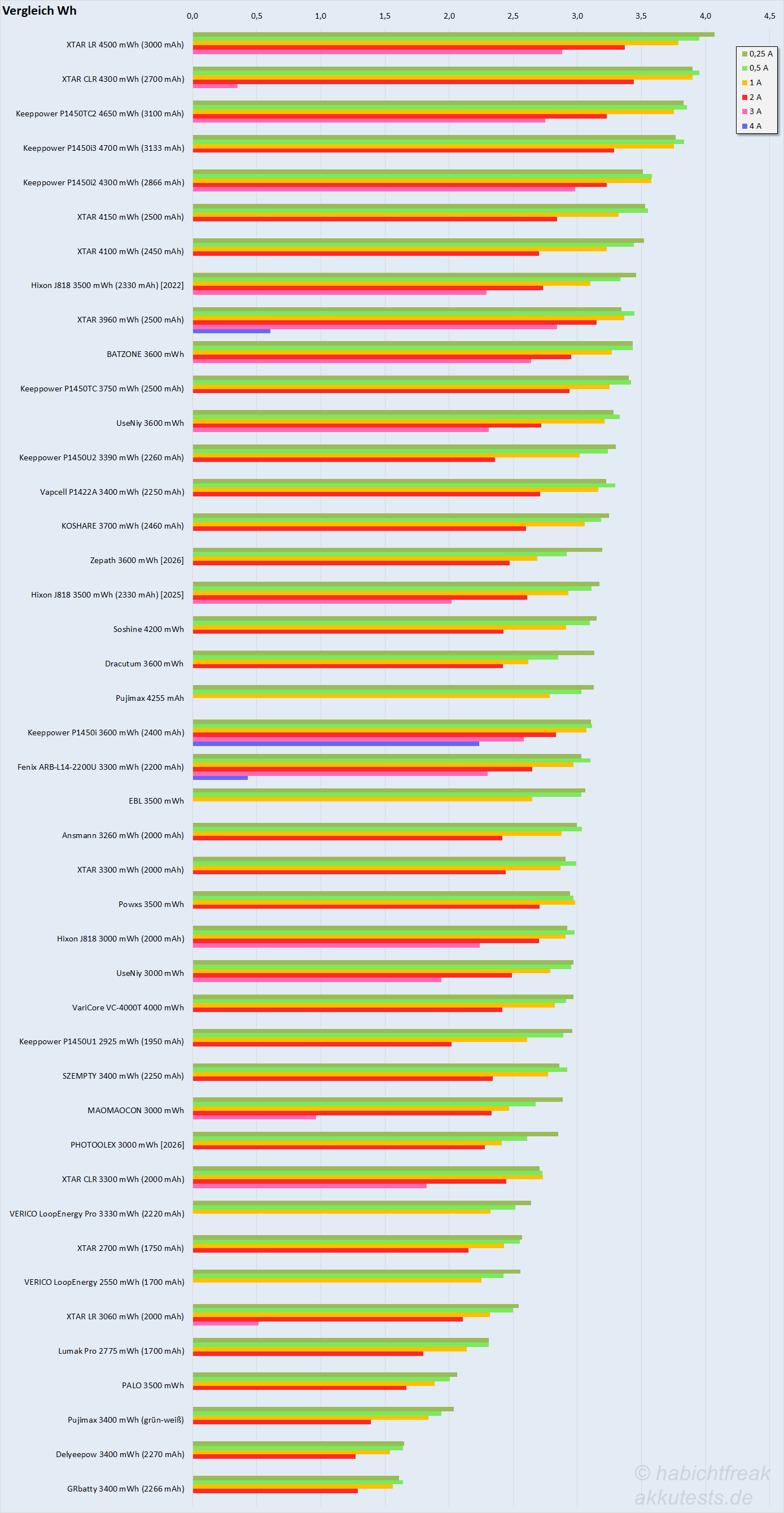
We want to share a very detailed independent test that might be useful for anyone working with AA/AAA 1.5V lithium rechargeable batteries. In this blog, there are comparisons covering 61 different models of 1.5V lithium AA/AAA rechargeable batteries, and it’s one of the most extensive datasets in this category. Please check details online: 1,5V Vergleichstest (2026)

From these batteries’ energy testing, the top 10 1.5V AA models are mainly dominated by XTAR and Keeppower. For AAA batteries, the ranking list is much shorter because there are fewer models available on the market. In this category, XTAR clearly stands out as the most reliable option. The only close competitors are Dracutum / Photoolex, which can deliver similar energy output, but they don’t maintain a stable 1.5V output.


1 Thank

【Updated】Test Different AA Batteries’ Performance on Tascam FR-AV2 Recorder

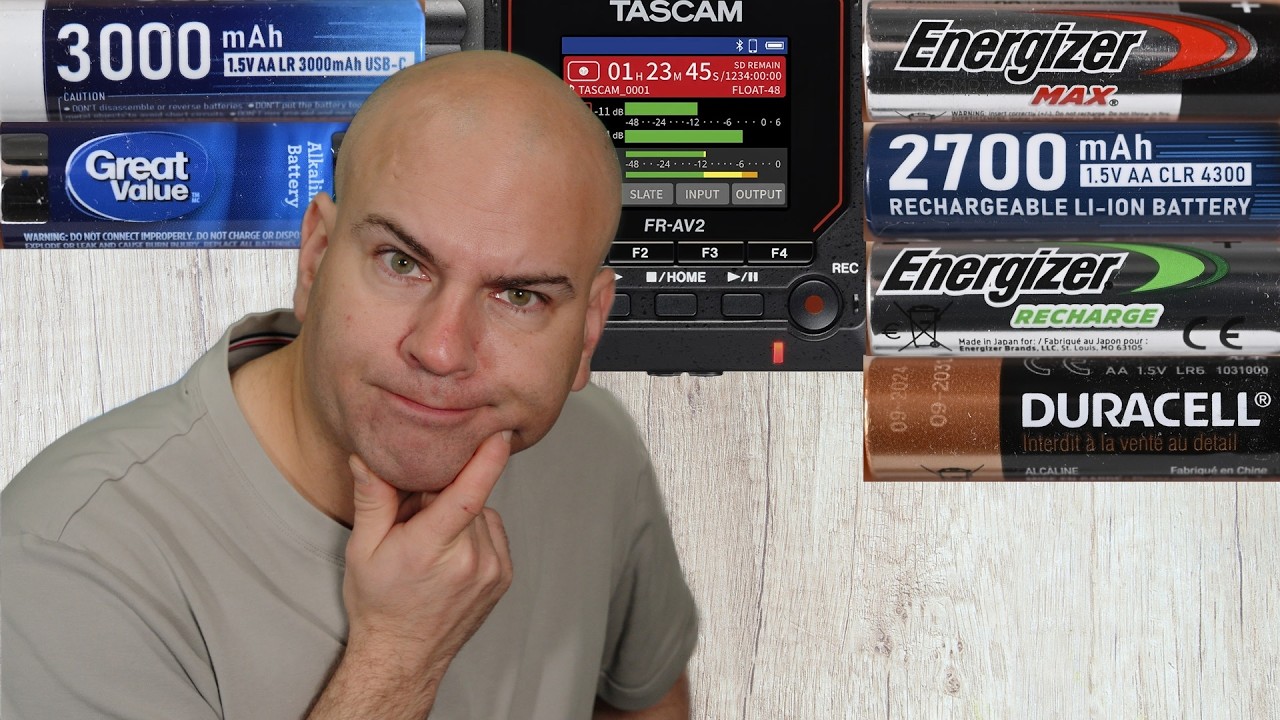
A Canadian audio influencer recently tested 6 AA batteries in the Tascam FR-AV2 — a professional portable recorder, audio interface, and mixer in one. With its high power demands (48V Phantom Power + medium screen brightness), this device is a true stress test for batteries.

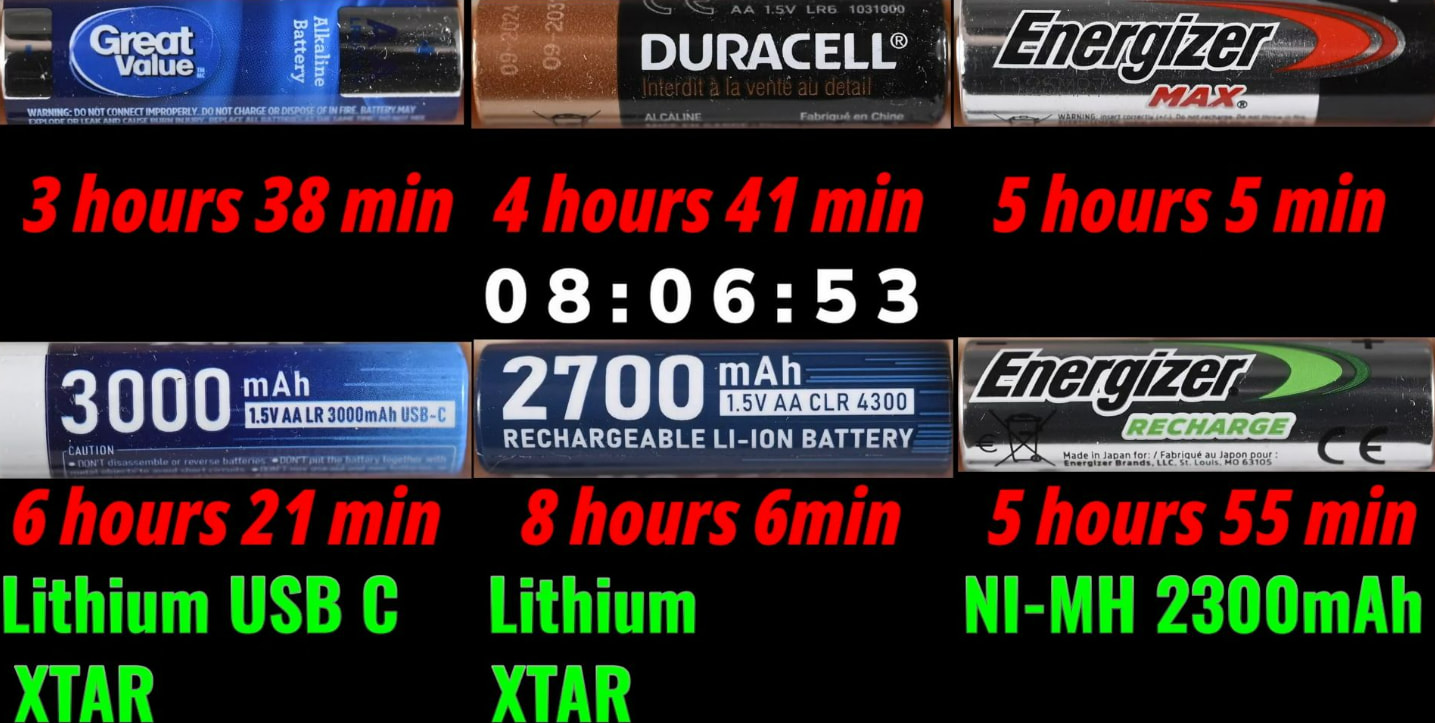
Here’s a snapshot of the results:

· XTAR CLR 4300: 8h 6min
· XTAR LR 3000 USB-C: 6h 21min
· Energizer NiMH: 5h 55min
· Energizer Alkaline: 5h 5min
· Duracell Alkaline: 4h 41min
· GreatValue Alkaline: 3h 38min

The CLR 4300 not only led the pack under high load, but in normal use conditions, runtime extends even further, over an additional hour.

For those interested, the full test video is available here:

Reliable power matters in high-performance audio, whether on location or in the studio.

1 Thank

Can you explain why the cell rated 2700 mAh outperformed the 3000 mAh cells? Is it just a function of the programmed discharge curve?

It’s about the different discharge curves, also the device’s demands of the batteries. The Tascam FR-AV2 behaves like a relatively “high-load AA application device,” meaning it draws power for audio processing, display. It tends to perform better with a very stable and consistent 1.5V supply. The CLR 4300 AA battery with 1.5V constant-voltage phase lasting longer and more stable under load.

@xtarflashlight I think the 3000’s might be mislabeled as 3000mAh when they should be 3000mWh? That would translate to 2000mAh @1.5V, and proportionately makes more sense comparing 2000mAh to 2700mAh, 6.4h vs 8.1h runtimes, respectively…maybe?

1 Thank

【Updated】Comprehensive AA Batteries Comparison

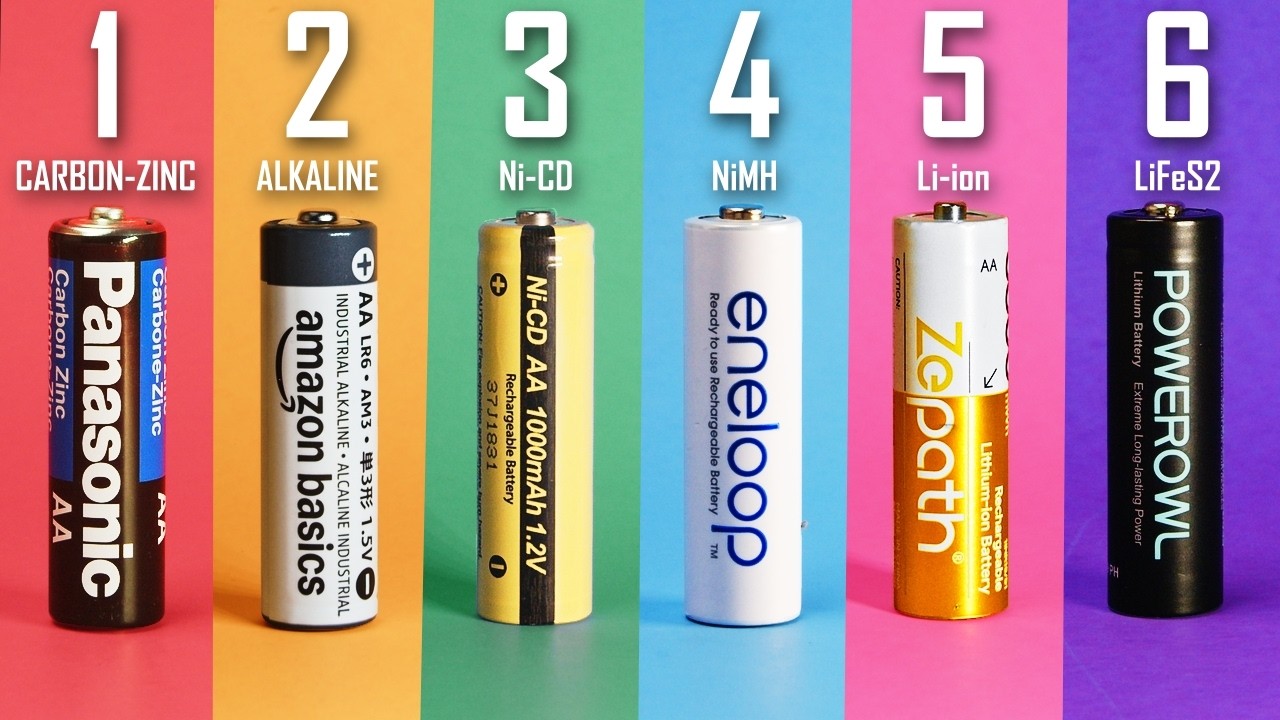
There is a detailed comparison test video from Lumencraft where he compared multiple AA battery types including: Alkaline, NiMH, LiFeS2, Carbon-Zinc, Li-Ion, NIckel-Cadmium batteries. The takeaway seems to be that alkaline still only makes sense for cost, while rechargeable options are the better choice for performance and convenience.

As for rechargeable 1.5V AA Li-ion battery, he specifically recommended the XTAR 1.5V AA 4150mWh Li-ion batteries for devices that benefit from 1.5V stable voltage and strong performance. Please check more details online:

【Updated】 XTAR Unprotected 18650 Cells (3500mAh & 4000mAh) Tests

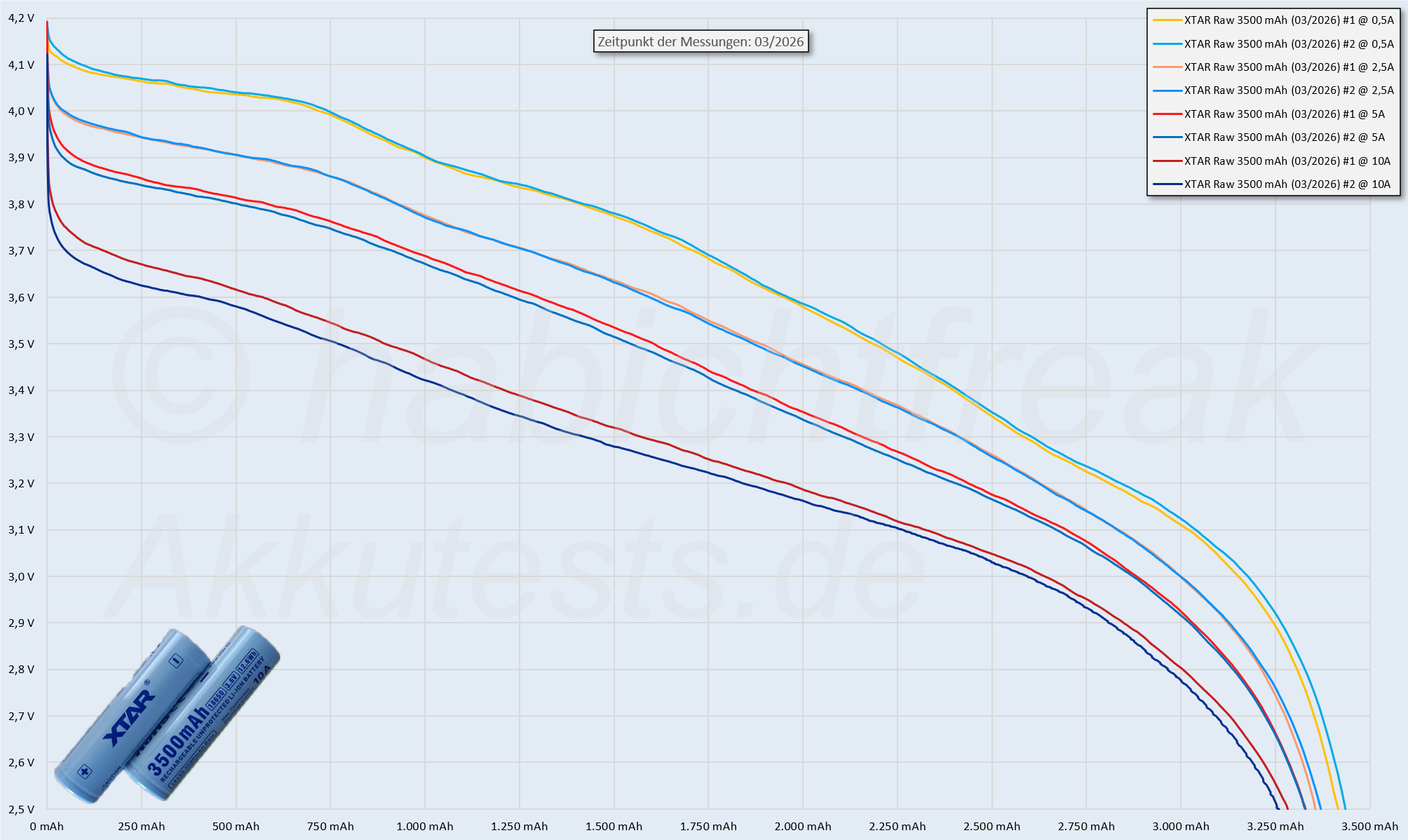
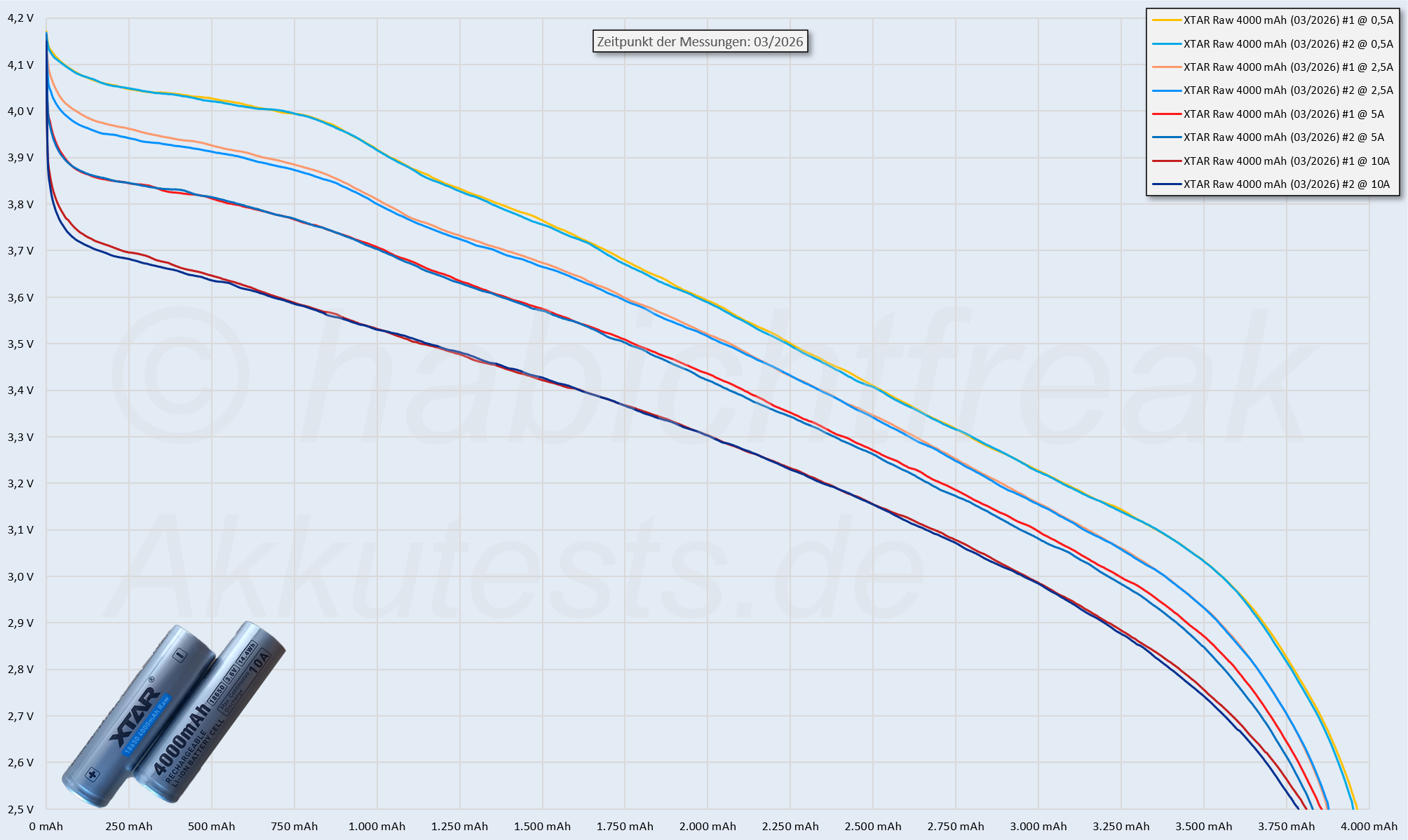
There are testing results from akkutests.de, including the xtar unprotected 18650 3500mAh and 4000mAh cells, under multiple discharge currents (0.5A / 2.5A / 5A / 10A). Measured average capacity 3432mAh, and 3958mAh. Both cells deliver strong real-world performance, with behavior under moderate-to-high discharge loads. Whether for your flashlight, other devices, or DIY project, you could find some useful information from the blogs.


1 Thank

AA batteries for outdoors in low temperatures

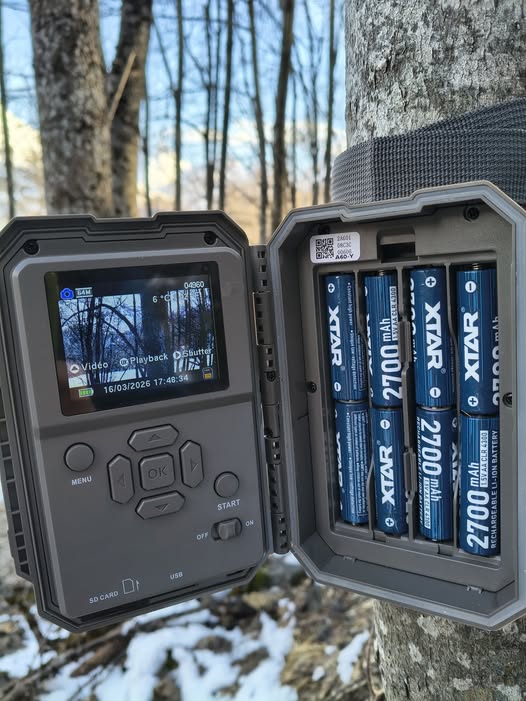
What batteries do you use for outdoor application in low-temperature environments? Some people may experience AA batteries draining much faster in freezing temperatures, or devices’ poor performance showing “low battery” even when batteries are still charged. The big problems with the batteries in cold outdoor environments is rapid voltage drop and reduced runtime.

Recently, we got some feedback from the Fabien Piege Photo. He has been using XTAR rechargeable AA CLR 4300mWh Li-ion batteries in GardePro trail cameras during winter conditions down to -20°C (-4°F). After several months outdoors and hundreds of captures, the batteries were still powerful.

1 Thank

【Updated】 XTAR 1.5V Li-ion battery performance on audio gear

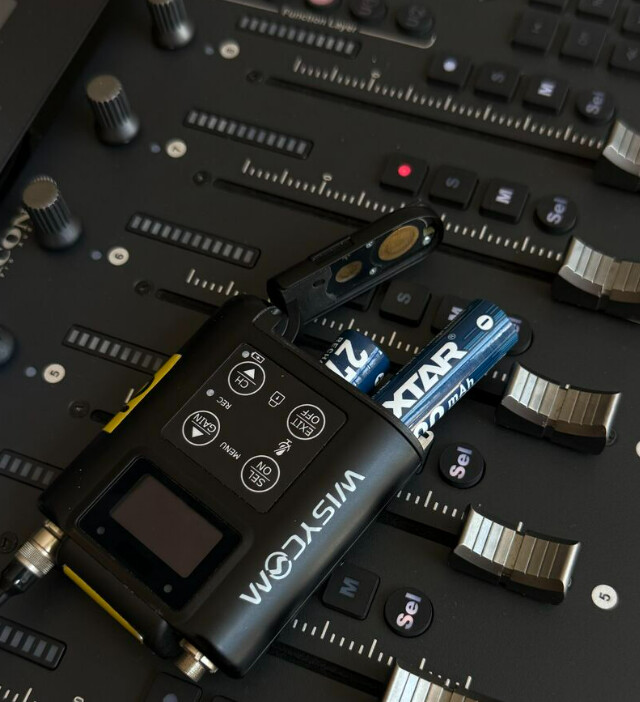
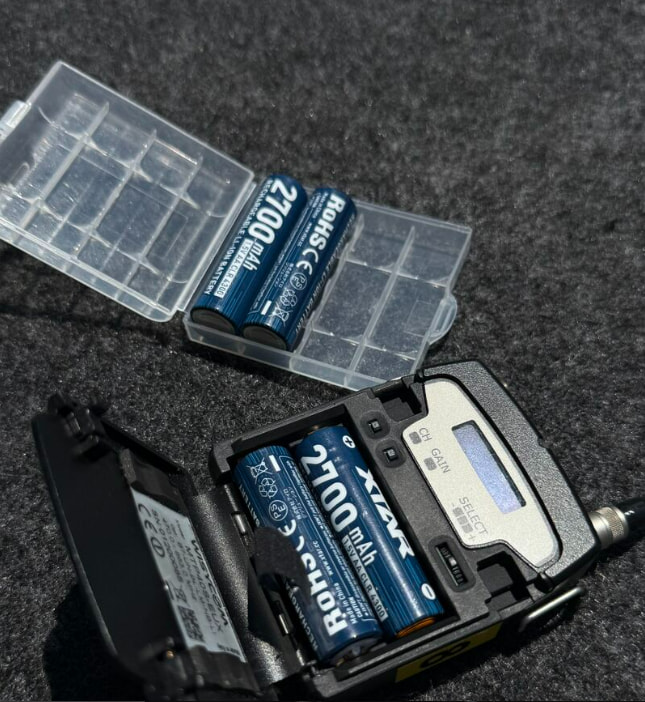
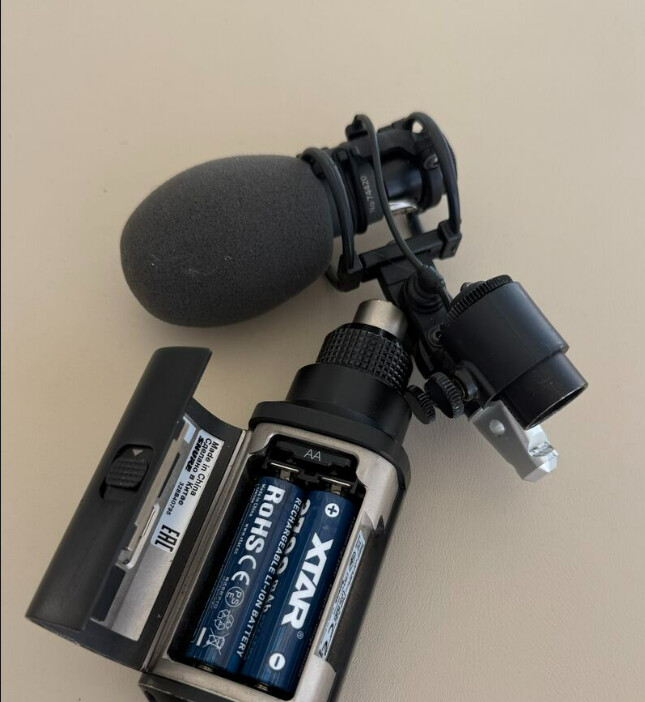
Live sound engineer Jaroslav Pešek from Slovakia recently shared his experience with us using AA CLR 4300 batteries in real production environments, powering Wisycom MTP60 (50mW output) and Shure ADX transmitters (2mW output) across multiple wireless channels.

In his setup, runtime reached nearly 11 hours, showing a clear improvement compared to traditional NiMH batteries.

Anyone working in live sound knows the frustration — dead batteries mid-show, lost audio on performers, or batteries that weren’t replaced in time and end up damaged. In wireless audio, those small failures can become big problems very quickly. Reliable power removes that risk. It keeps the focus where it should be on the production, not the batteries.

Btw, may I know what audio devices do you personally use that relies on AA / AAA batteries? Welcome to comment below.


【Updated】How to check if a battery with exaggerated capacity?

Instead of jumping straight into capacity testing, the MSR Workshop started with weight comparison of his 18650 batteries, explaining: One of the easiest warning signs of a low-quality battery is unusually low weight.

Here were the results:
Trustfire 18650 3200mAh battery → 32.11g
Another 18650 2600mAh battery → 45.18g
A 18650 3350mAh battery → 46.14g
XTAR 18650 4000mAh battery → 49.41g

He mentioned that the difference was obvious just by holding the batteries in hands. The reasons are here: Higher-capacity Li-ion cells contain more active material. More active material generally means more weight. Many fake-capacity batteries are significantly lighter.

Another red flag is unrealistic capacity claims. You may see some marketplace listings advertising 6800mAh, 9900mAh 18650 batteries. For standard 18650 batteries. As far as current cell technology goes, these numbers are well beyond the realistic limits of genuine 18650 cells.

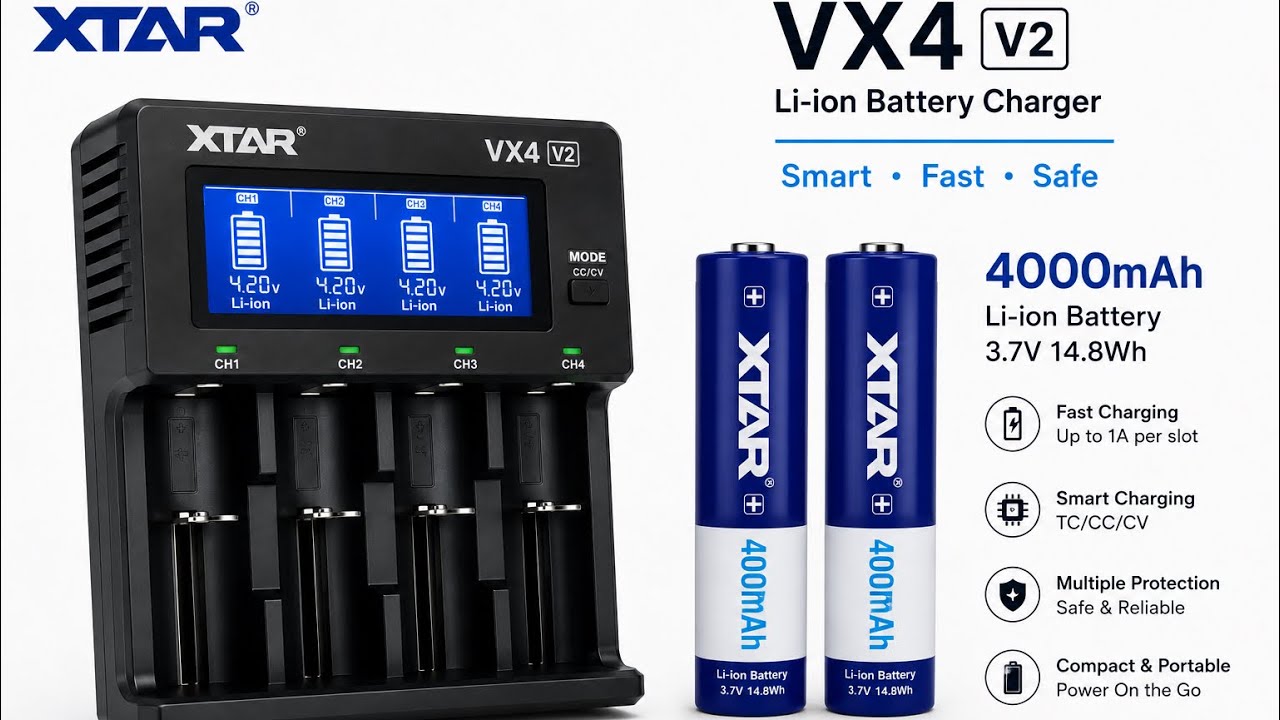
That’s why a smart charger with capacity test function, such as XTAR VX4, is a really useful tool. It lets you measure the actual capacity instead of trusting whatever is printed on the wrapper. Do you also run a capacity test for your batteries?

For anyone interested, here’s his video:

1 Thank

# Case Study: How a Navy Veteran Saved Hundreds on Health Tech Using Smart Battery ROI

As healthcare technology advances, the “hidden costs” of maintaining devices like battery replacements can quietly add up.

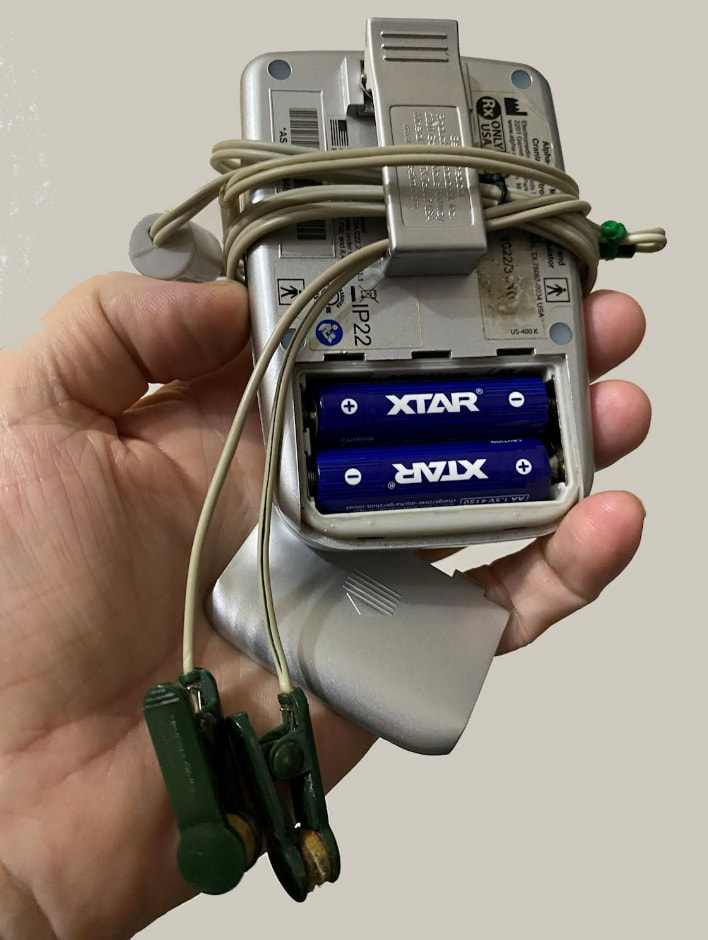
We recently analyzed a fascinating, real-world data set from a Navy Veteran that proves how a small change in battery strategy can yield massive long-term savings.Our veteran uses an Alpha-Stim M device to manage insomnia. By sending a specialized signal via ear clips, the Cranial Electrotherapy Stimulation (CES) quiets his rambling thoughts, helping him fall asleep in about 15 minutes.While the device is a lifesaver, its power requirements can get expensive.

The Cost Dilemma: Disposable vs. Rechargeable
The device manual highly recommends Energizer Ultimate Lithium AA batteries.
:black_small_square: The Cost: ~$30.50 plus tax for an 8-pack.
:black_small_square: The Performance: A pair lasts for 59 hours (59 one-hour nightly sessions).
:black_small_square: The Catch: Over years of nightly use, continuously buying these disposables creates a heavy financial drain.

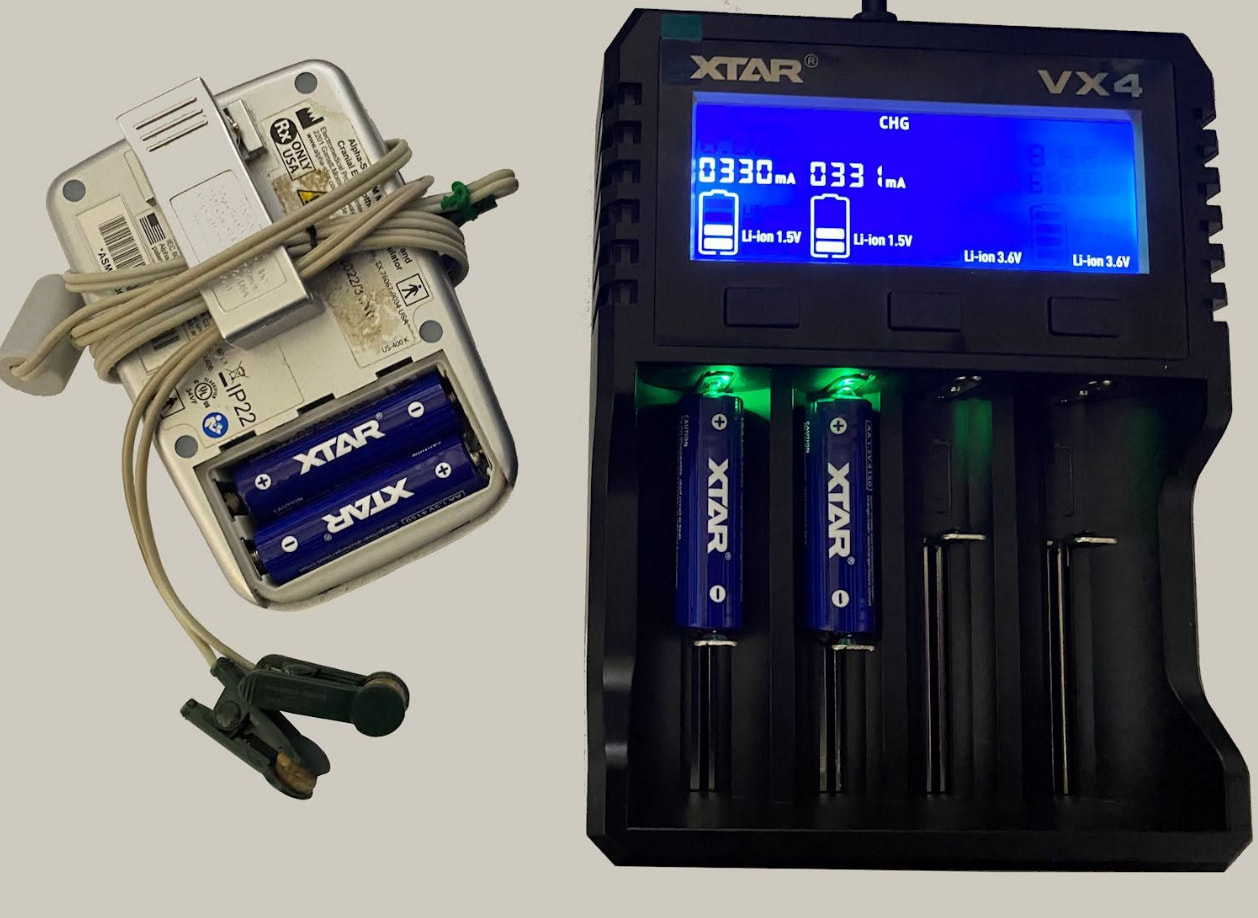
To beat the high cost, he switched to XTAR 1.5V AA 4150 Lithium-ion rechargeable batteries, rotating through 3 distinct sets. Here is what his meticulous daily log reveals after years of use:

The Real-World Data
:black_small_square: Run Time: A pair of XTAR rechargeable lithiums delivers 28 to 30 hours of use per charge (roughly half the lifespan of the premium disposable).

:black_small_square: The “Top-Off” Strategy: To combat minor self-discharge while a set sits waiting in rotation, he uses an XTAR VX4 charger to “top off” the standby set right before putting them into the Alpha-Stim. This optimization consistently squeezes out a full 30 hours of use.

:black_small_square: Longevity: He has tracked 33 total set changes across his 3 sets, averaging 29 use-nights per charge over the lifespan of the batteries.

Doing the Math (Working Backward)
By tracking his 957 total daily set uses, we can map out exactly how long these three rechargeable sets have been in active service:

:black_small_square: $957(total uses)/30.41(average days per month) = 31.46 months
:black_small_square: $Total Time in Service: 2 years, 7 months, and 14 days (and still going strong!).

The Takeaway
Each of his 3 XTAR rechargeable sets has been cycled roughly 11 times. If he had used disposable Energizer Ultimate Lithiums for those same 957 nights, he would have burned through roughly 32 batteries—costing over $120.

Instead, his 3 sets of rechargeable XTARs paid for themselves almost immediately and continue to hold a stellar charge nearly 3 years later.

When managing chronic conditions with home health tech, don’t just look at the upfront cost of the device. Track your consumables, do the math, and look for high-quality rechargeable alternatives. Your wallet will thank you.
I got some XTAR AAA 1.5V 900mAh lithiums for the Tapo smart light switches in my home, they don’t like 1.2V NiMH (Eneloops). They are too small to have a USB-C charger so I had to buy the MX4 charger that can handle 1.5V lithium chemistry.

It’s wort mentioning 1.5V lithiums are standard 3.7V under the hood, but include a down-conversion circuit to reduce it to 1.5V. That circuit can create EM interference so you wouldn’t want to use it in a radio or anything under 1MHz. They also have very stable voltage that collapses when the battery is spent, unlike the more gradual decay of NiMH or 18650. I will stick to Eneloops (IKEA LADDA, actually) whenever possible.

1 Thank

【Updapted】 XTAR Powers Young Innovators at Hell Robotics Science Camp in Norway

We’re proud to support Hell Robotics, a Norwegian robotics organization dedicated to helping students explore science, technology, and engineering through hands-on learning.

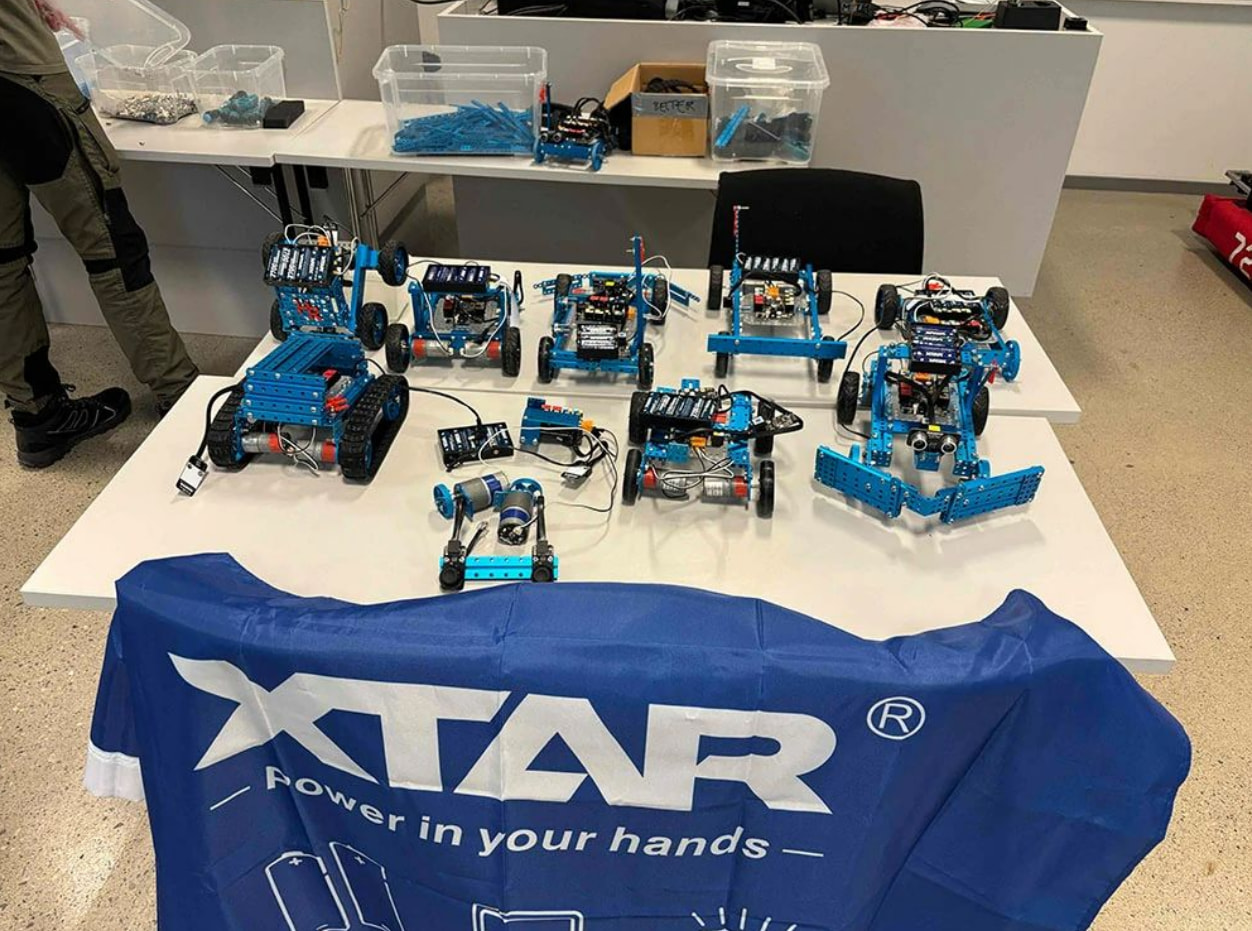
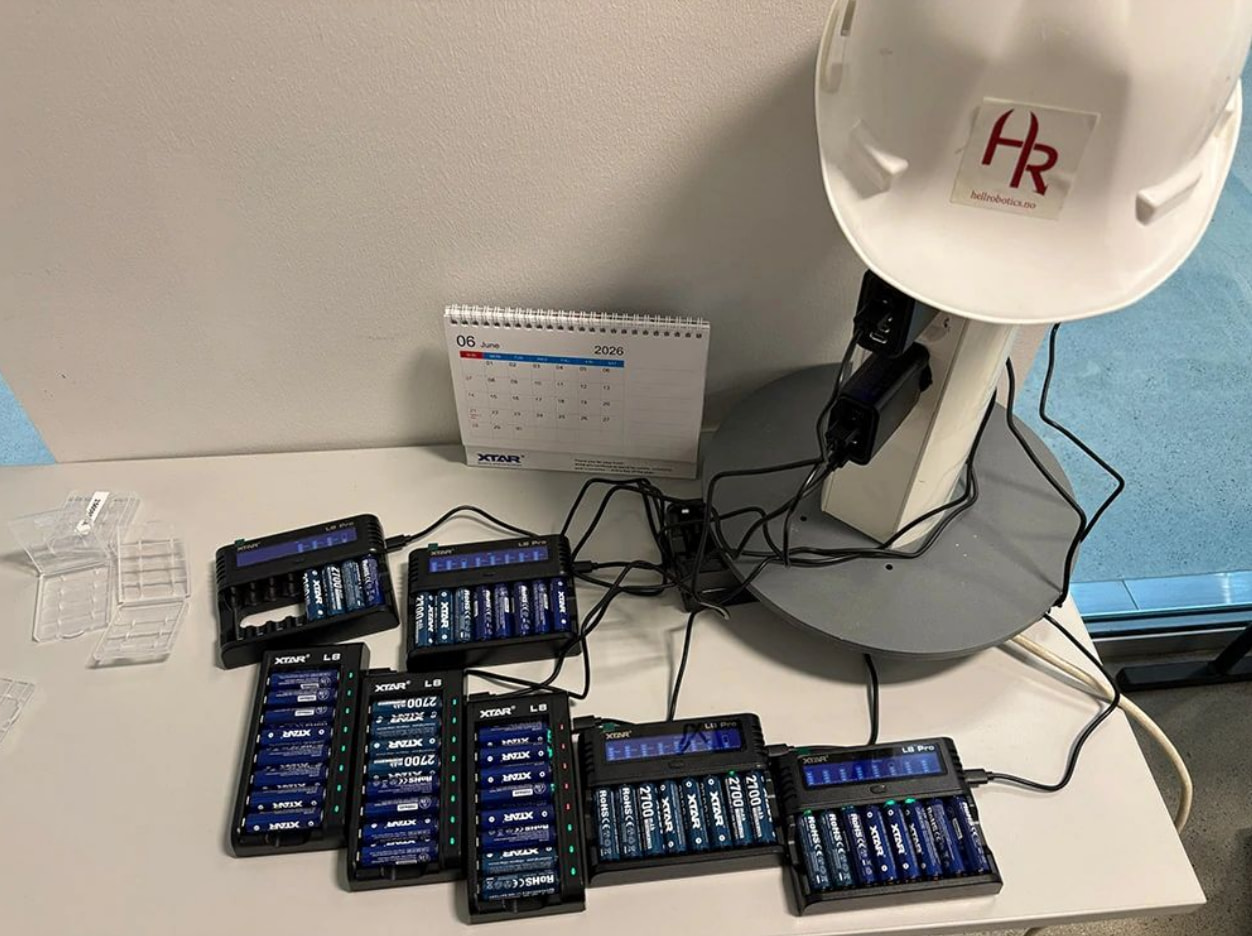
During their recent Science Camp in Trondheim, 24 students from grades 6–10 built, programmed, and tested robots using XTAR rechargeable AA lithium batteries and chargers. With multiple robots running throughout the activities, reliable power was essential to keep the learning process moving.

By replacing disposable batteries with rechargeable solutions, Hell Robotics can reduce waste while maintaining stable performance for robotics education and workshops.

With nearly two decades of experience developing rechargeable battery solutions, XTAR is excited to support organizations that use technology to inspire curiosity and practical skills in the next generation.

Thank you to Hell Robotics for sharing this journey with us. We look forward to seeing what these young innovators create next.

Read more online: XTAR Powers Young Innovators at Hell Robotics Science Camp in Norway - XTAR


1 Thank