@INeedMoreLumens if you were willing to sell me one on a board I could get some spectrometer readings. Definitely not just because I want one in a light 
Edit: Will also do lumens and candela, probably putting it in an S2+.
@INeedMoreLumens if you were willing to sell me one on a board I could get some spectrometer readings. Definitely not just because I want one in a light
Edit: Will also do lumens and candela, probably putting it in an S2+.
As soon I get the emitters from @INeedMoreLumens I will test them as usual.
They seem to be extremely promising in terms of light quality, but the performance is indeed not so good as it seems
I installed 3 of the 5000K in my FWAA which has a Magenta AR Coated Lens:
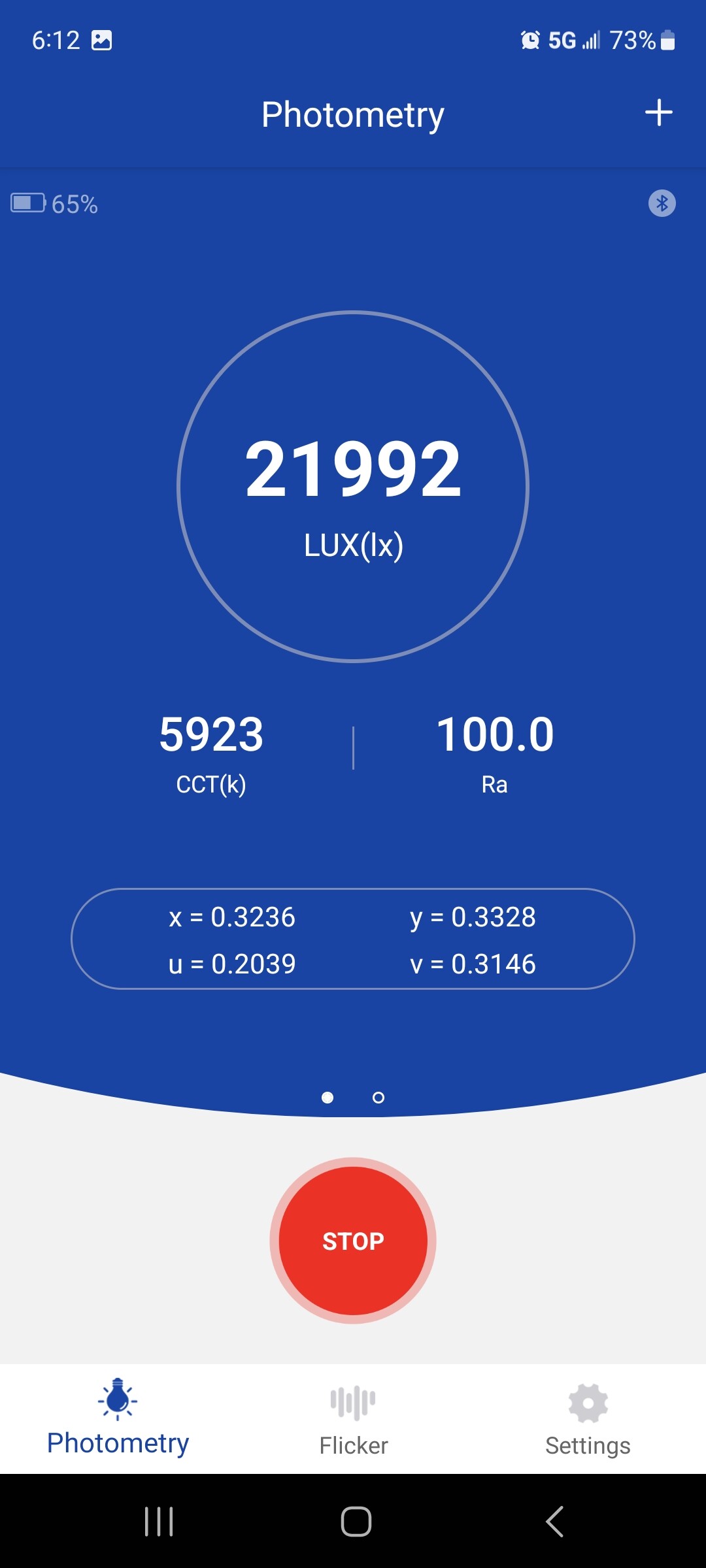
Unfortunately the CCT jumped +1200K on Turbo  :
:
That’s crazy, another 100 reading on the Opple. This is extremely promising, even a 519A rarely scores 100! Thank you so much for testing these, I see real potential.
EDIT: I’m hoping that the variant with larger die would have better power handling.
“CRI 100” with the Opple just means the software is guessing that it’s an incandescent or daylight light source. It uses a lot of similar hacks to make educated guesses about measurements with so few data points.
I see! I wish there were more detail about exactly what it does, what the distribution of the error looks like, and what the worst-case outcomes are. I’m still hoping that a 100 on the Opple does indicate a good chance of higher CRI than, say, 97, to an extent that is practically and statistically significant.
Opple has a fairly cheap sensor (as the better sensors cost more than the entire product) that only measures a few fairly wide frequency bands, and then guesstimates the rest of the spectrum from those datapoints. So it’s really hard to say. Could be that a 50 CRI LED ends up having peaks just at those datapoints and Opple thinks it is perfect.
It was mainly made for LED lighting purposes so I guess it should be kinda ok for most LEDs, but it’s hard to estimate the accuracy of something that is almost entirely software-based reconstruction.
The LM4 thread has quite a lot of interesting detail (mostly towards the end)
The Opple has trouble with these high R value warm tint LEDs so take this reading with a grain of salt. I’ve tested some that come it as 100, but in reality are like 97 cri at 4700K.
on Turbo that’s a side affect of the high thermal resistance and that the LED is driven really hard. It’s having trouble transferring the heat being generated. Probably not the best LEDs to direct drive.
Am I the only one that wants to see beam shots comparison?
Thanks–I’m aware that the Opple readings are crude approximations. I still think that it’s reasonable to assume that higher Opple readings are generally correlated with higher actual CRI values.
High CRI LEDs don’t handle high drive current well, too much blue leaks through and ruins the tint and CRI.
You are not! Hopefully some are on their way to koef3 for some spectral readings.
Yes, some are on their way to @koef3 and @wolfgirl42
Thank you so much for sending samples to both reviewers! This should give us a lot of good info on the variance of both the emitters and the measuring equipment.
@koef3 test is available!
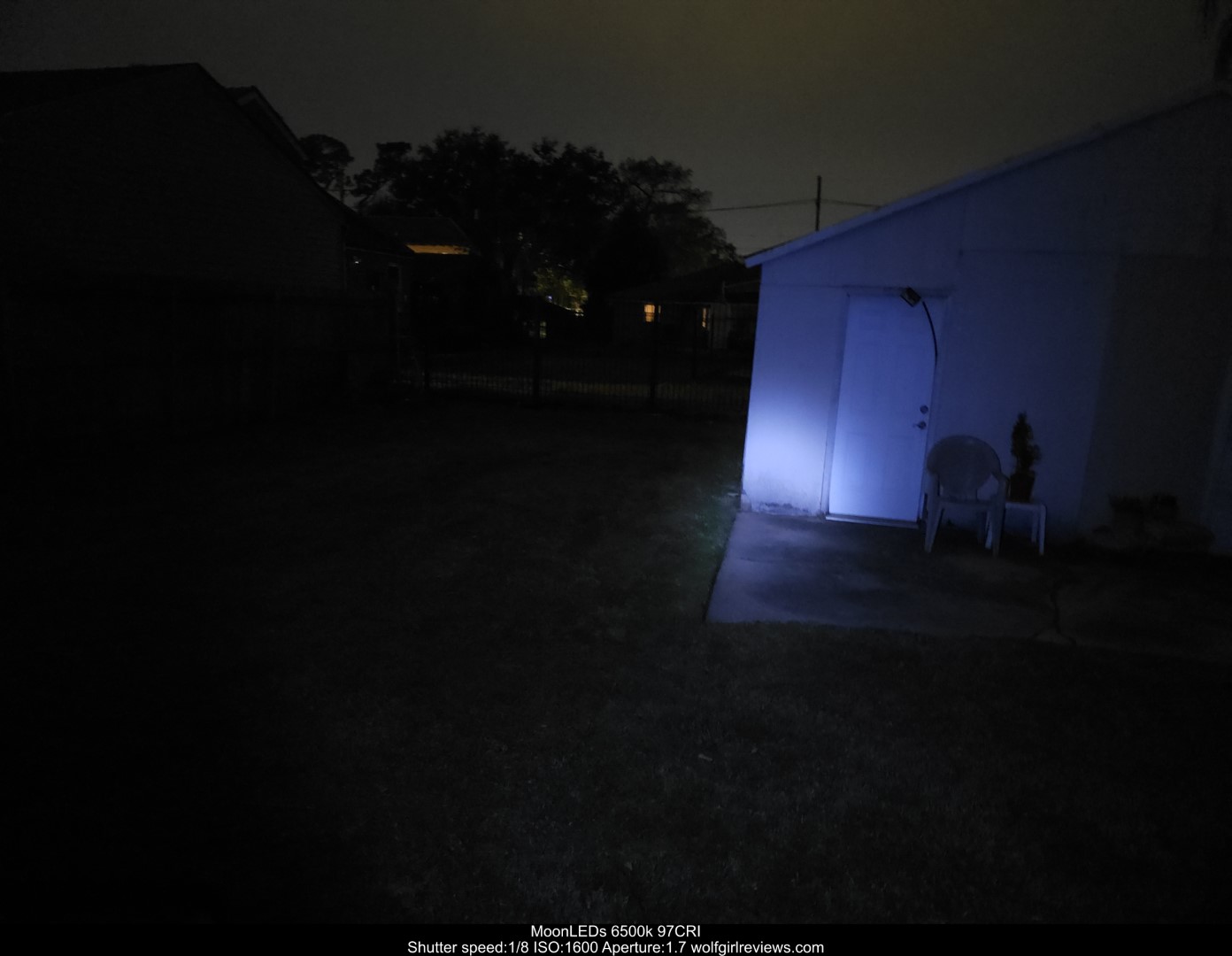
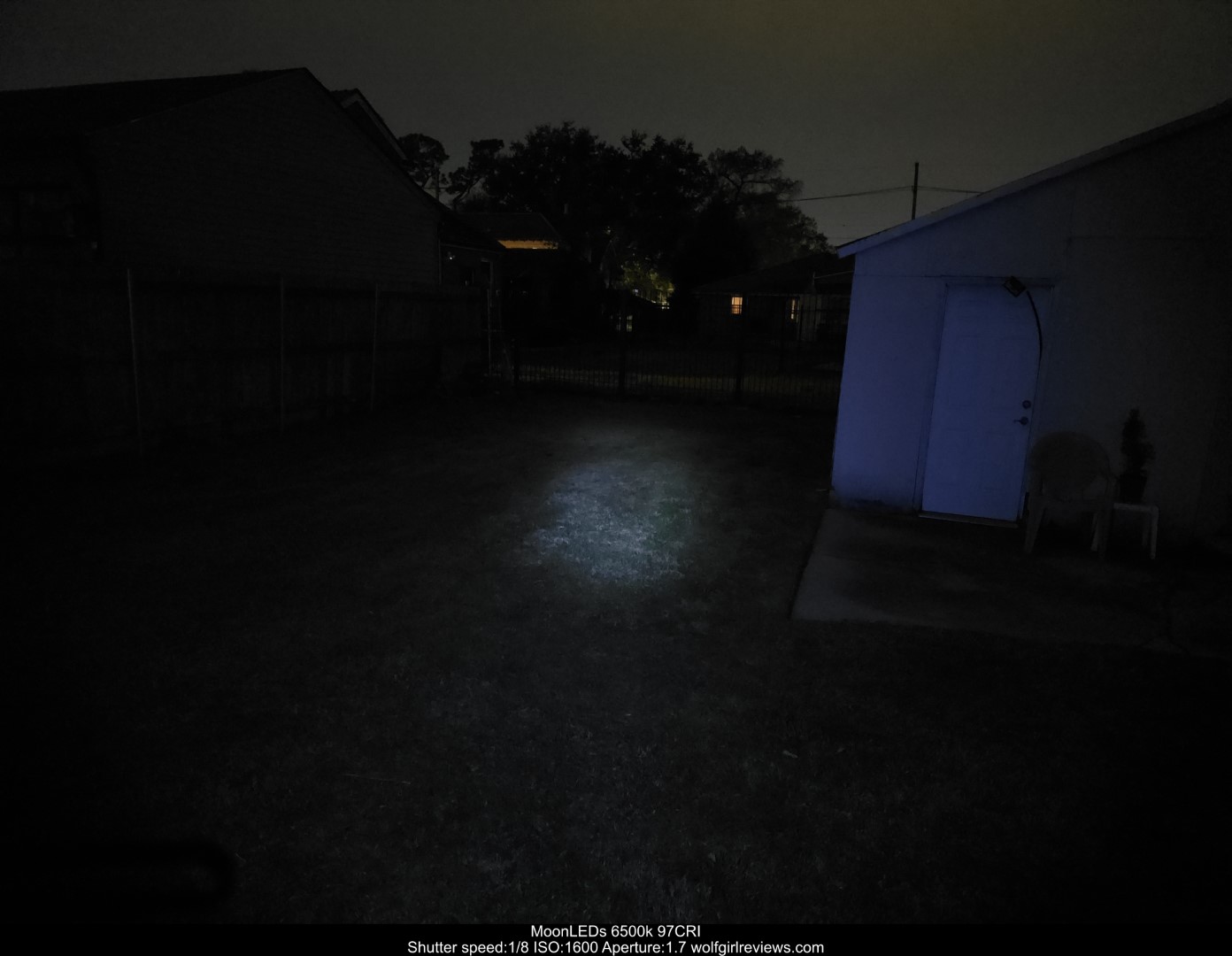
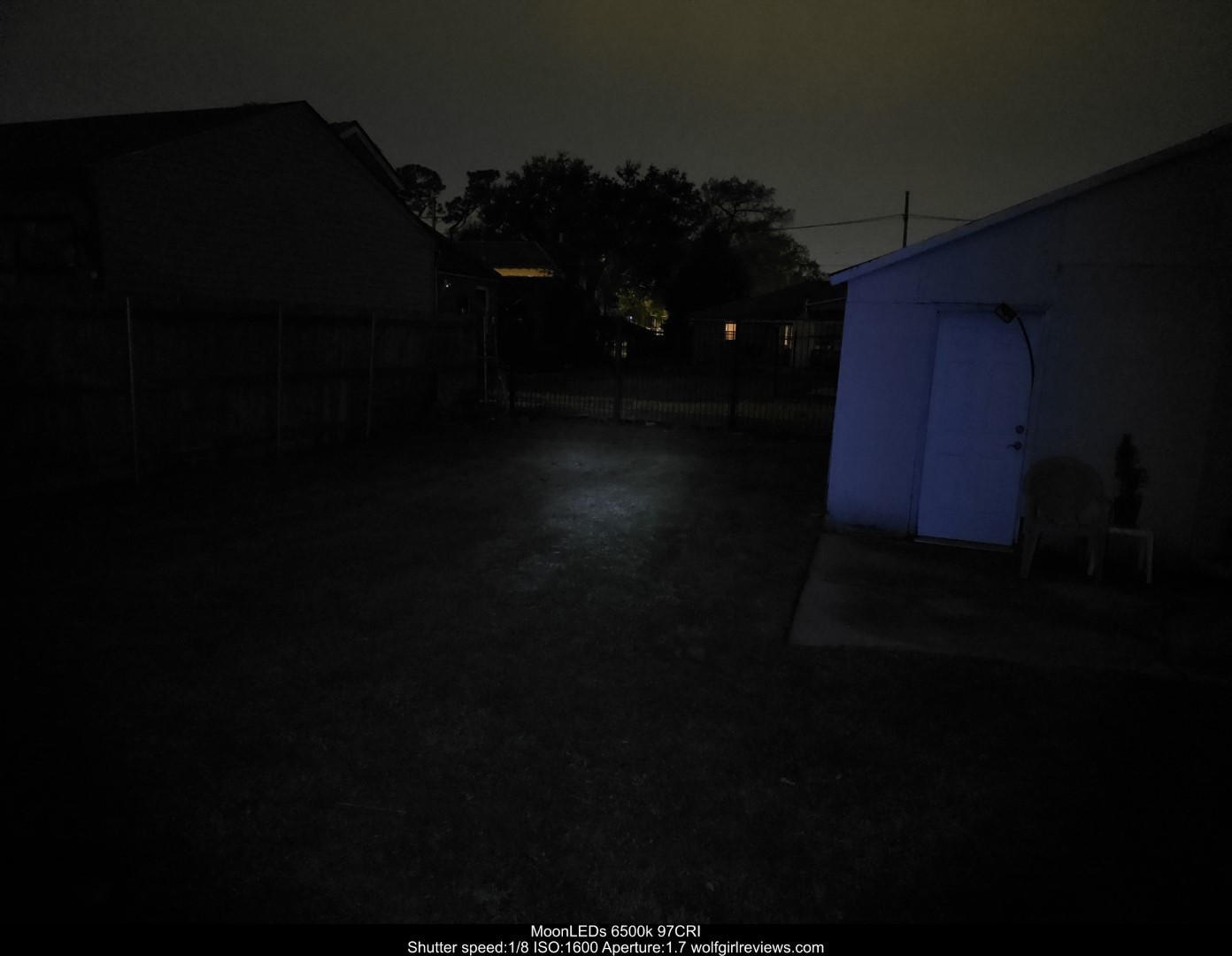
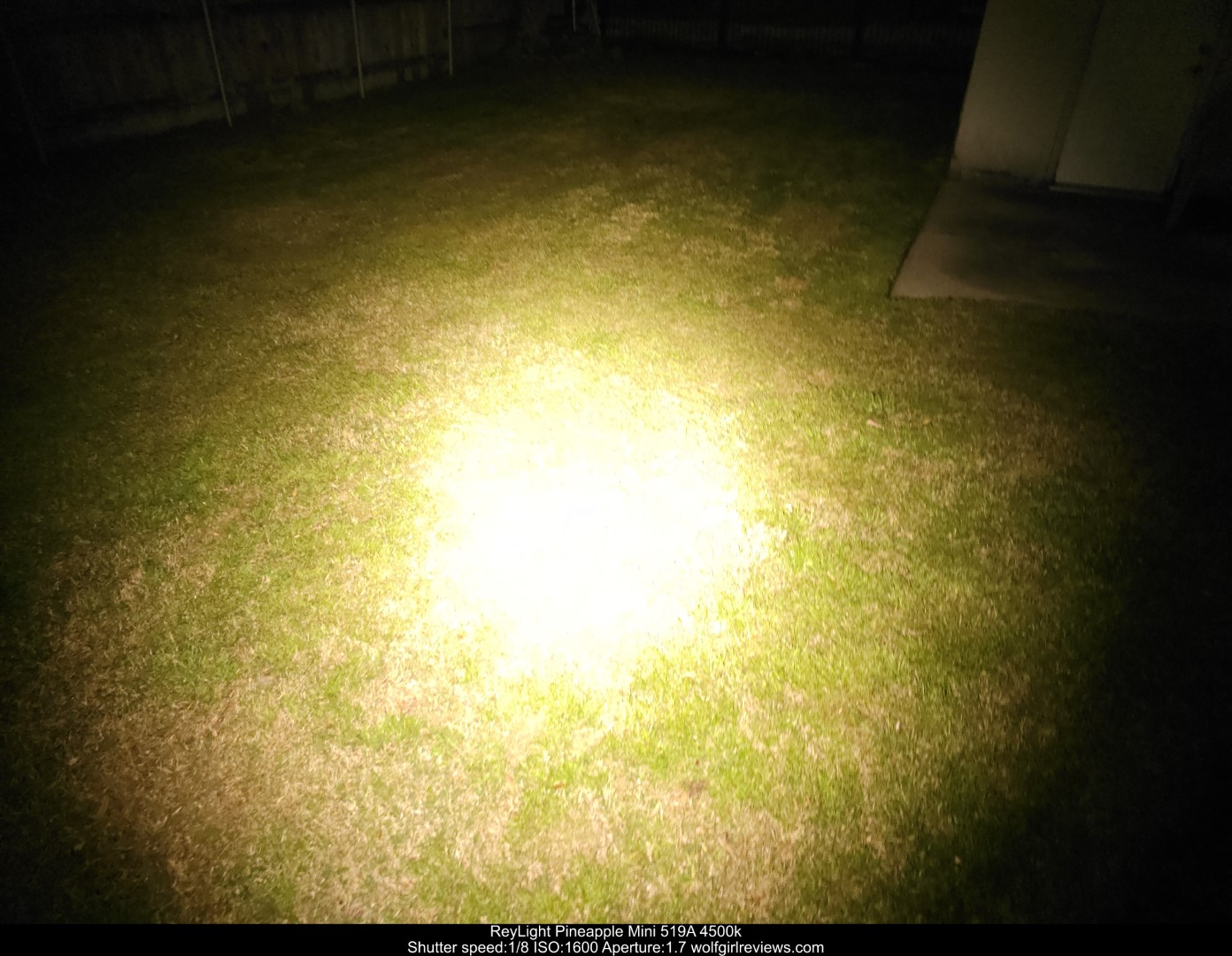
Sorry for the delay, had a lot going on. Put together an S21A with the LED, here are some readings and beamshots.
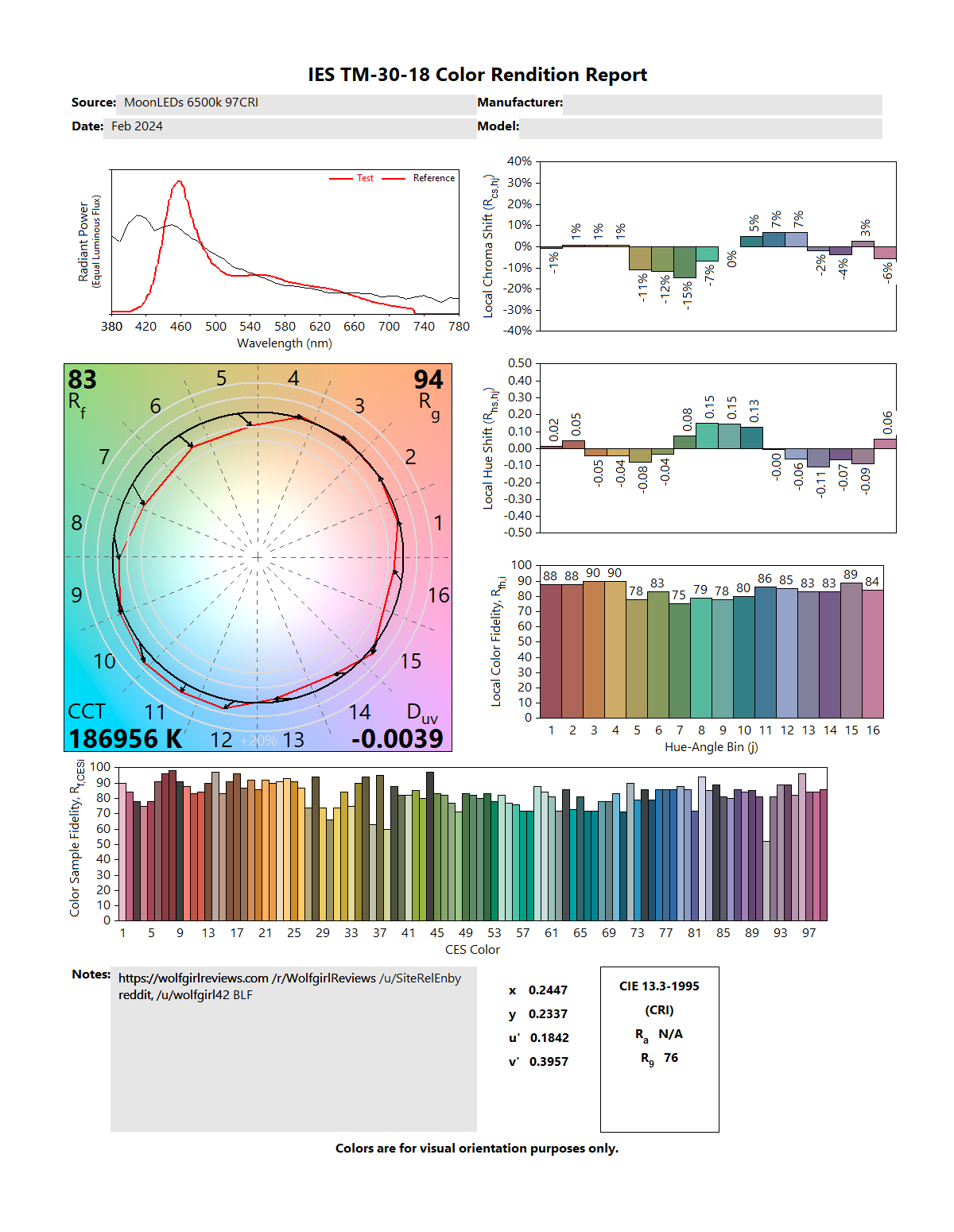
My spectrometer didn’t know what to make of this LED… it’s supposed to be 6500k, but this was the reading…
Measured 23 lm on my tube. Driver is a Convoy 5x7135 driver with 2 of the 7135s removed, resulting in ~1.1A.
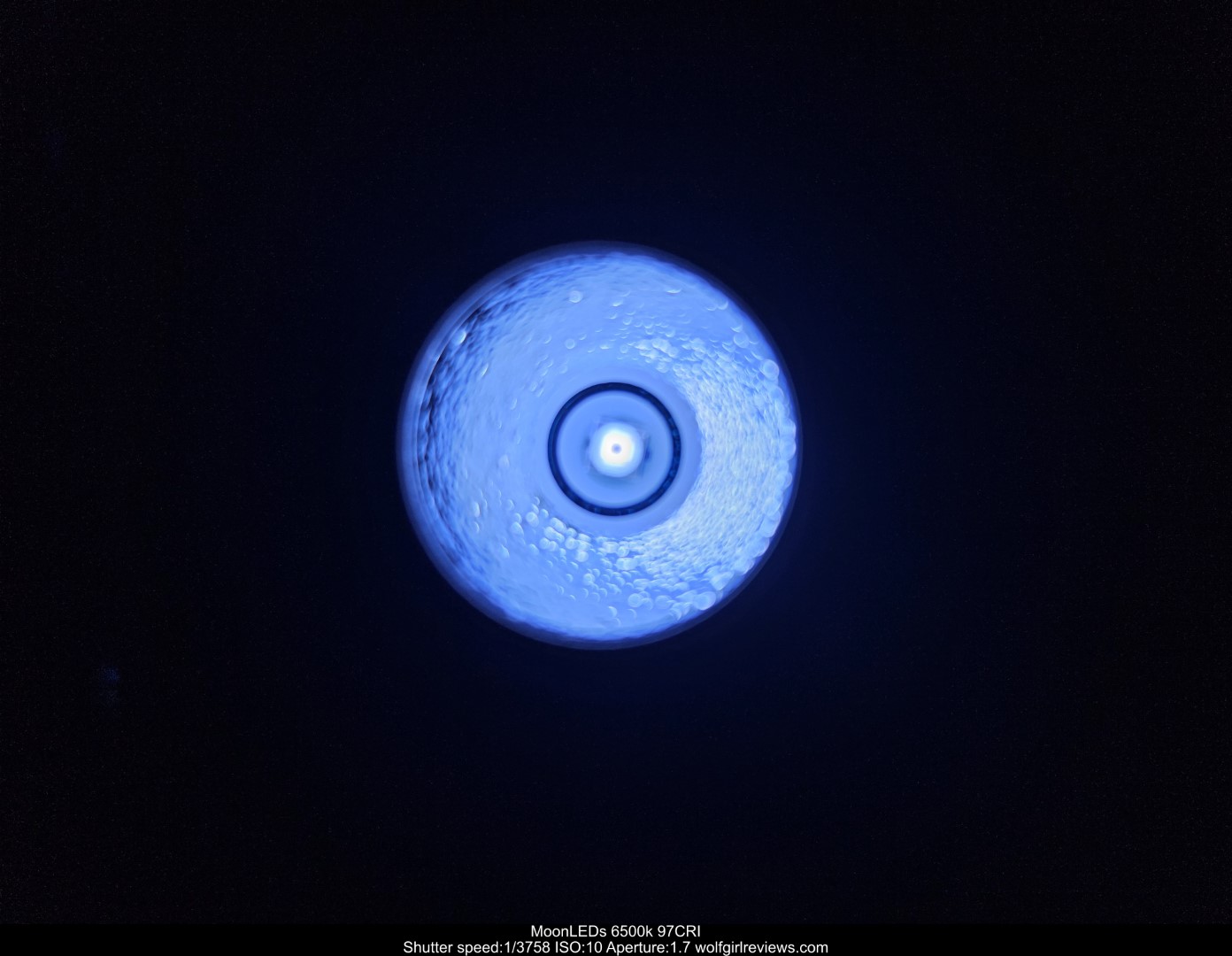
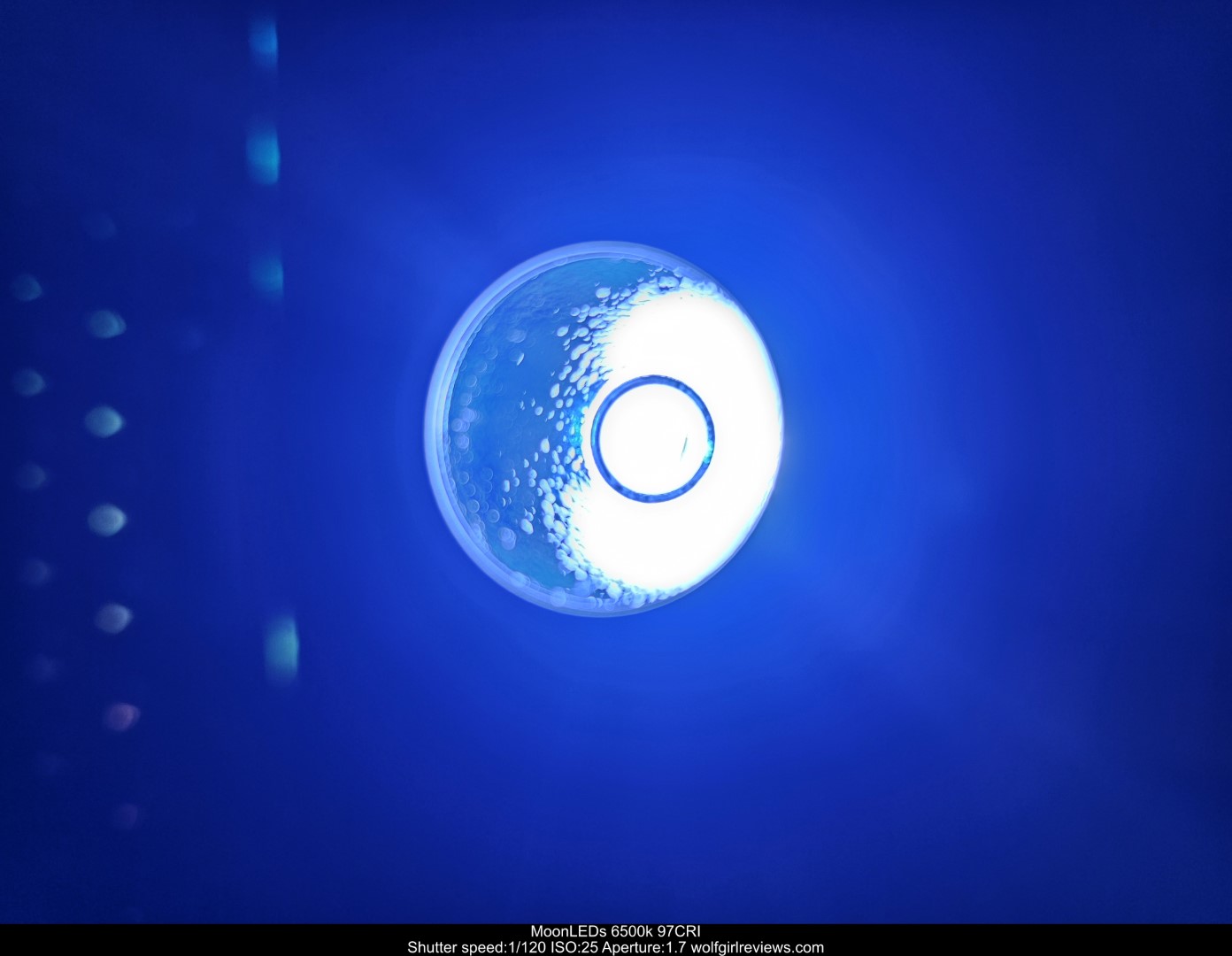
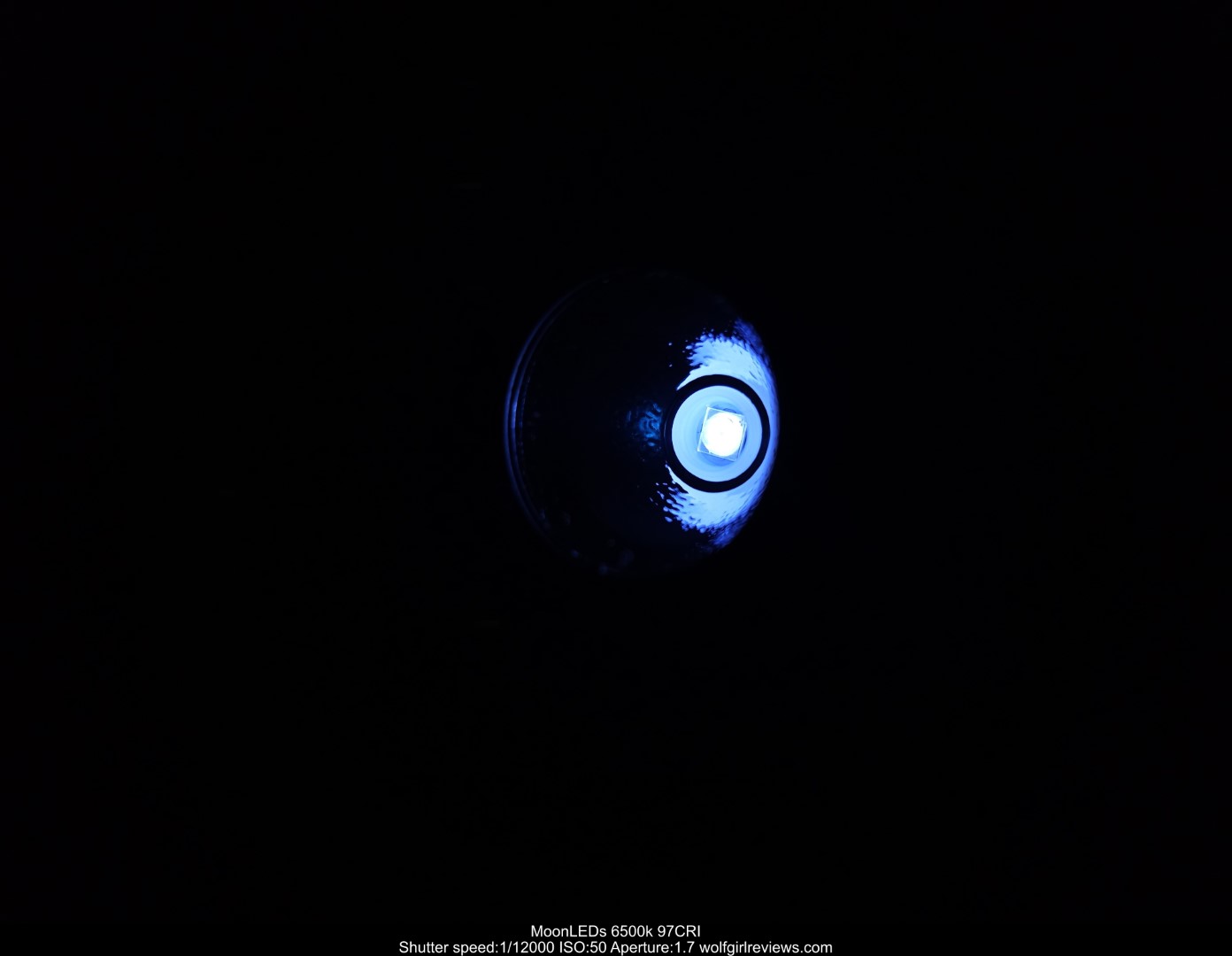
Beamshots:
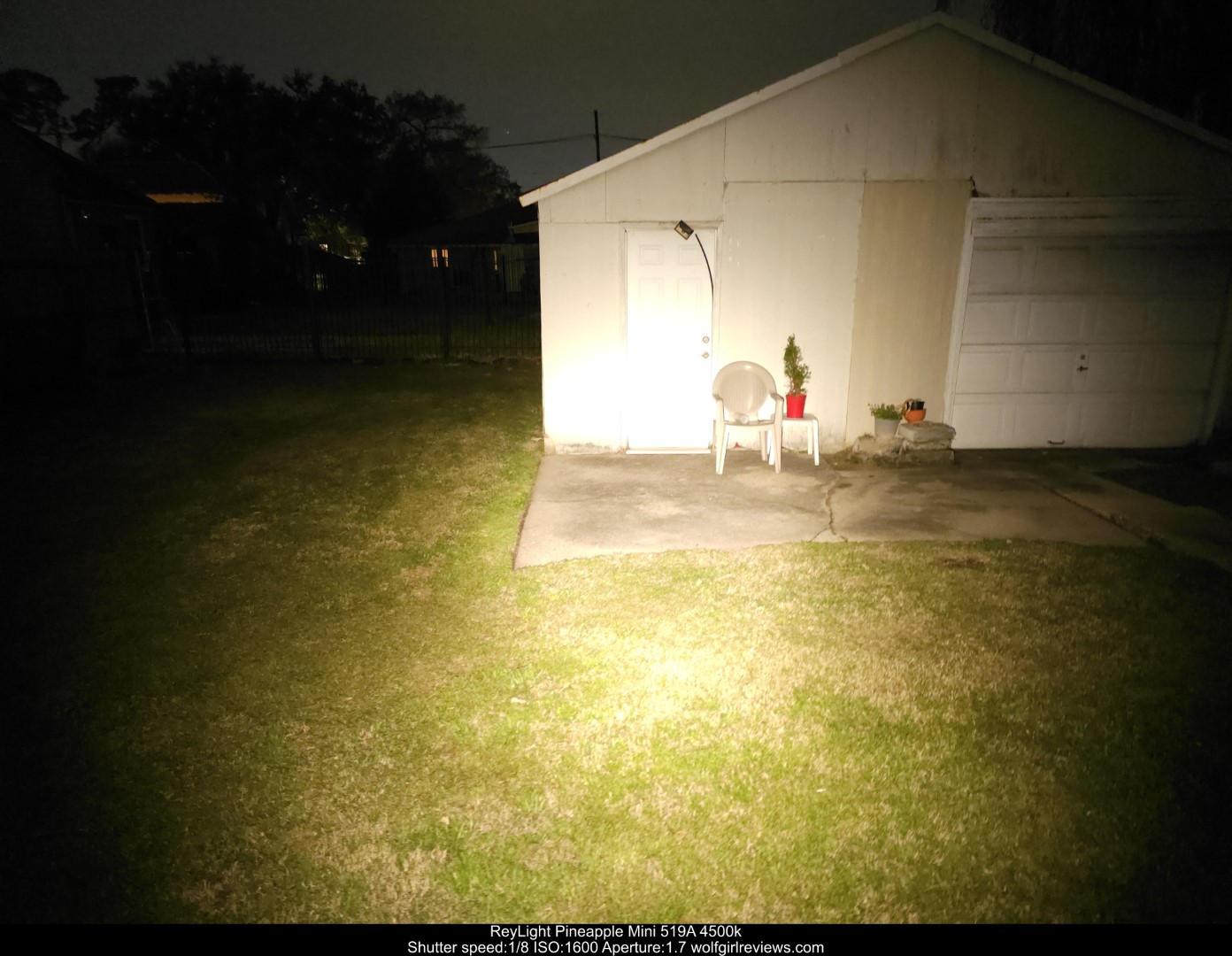
Reference for camera settings using Pineapple Mini with 519A 4500k:
Very strange emitter overall, but definitely beautiful. Kind of want to get some more to put in a DT8 or something else with a lot of LEDs…
I don’t know what’s going on there.
Mine was under 6000K and the most beautiful tint I’ve ever seen!
Thank you so much for posting your analysis–that is incredibly strange!! There does appear to be a dead spot in the center of the LED, from your first bare-emitter photo and from some of the outdoor beamshots showing a hole in the beam. I would guess that this was a sample with defective or damaged phosphor that isn’t capable of fully converting the blue emission down to longer wavelengths.
The led is broken. The dark spot in the LES is also clear sign that this LED was exposed to extreme internal heat.
Maybe due to reflow, maybe due to high current. The spectrometer reading is not right (and makes no sense at all with 185000 K CCT which makes not even sense with this blue color, should be around 30k to 60k)
The bluish color is clear sign of massive overheating, despite the low current. Maybe the led tested is one with internal defect or very high thermal resistance, don’t know.
My emitters does not show any of this strange behavior. Can you test another one and turn up the current slowly? (On adjustable lab power supply)
I guess most likely I was just unlucky and got a defective one. Looking at the spot in the middle and the corresponding hole, it does seem uneven.
I feel tempted to get some more of these myself to test now, if nothing else then I like the light from it enough it’d be interesting to have in a triple or quad if I get more defective ones… I checked everything putting the light together but it also seemed the same when I used a low current SMD tester to verify polarity and function before soldering the leads, I guess not knowing what to expect from it.
CRI probably isn’t 97 but still doesn’t seem awful, ironically.